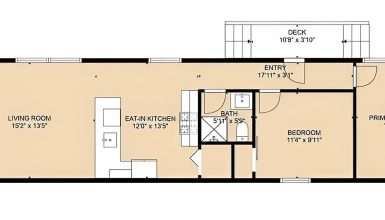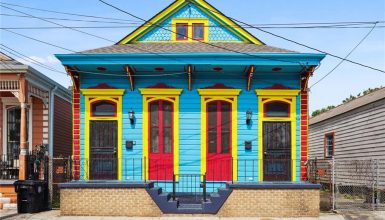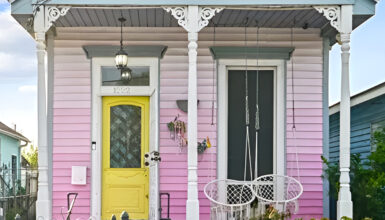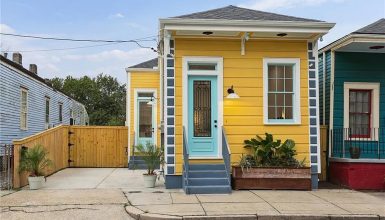
A shotgun house may be narrow, but it never has to feel cramped. In fact, that long, straight layout can become one of the prettiest and most inviting interiors to decorate. The secret is simple. You lean into the home’s shape instead of fighting it. You let light travel. You keep the eye moving. And then you layer in warmth, charm, and a few hard-working details that make every room feel special.
That is why shotgun houses have so much appeal. They feel cozy, historic, and full of personality. Yet they also push you to decorate with care. Every rug, chair, paint color, and light fixture matters. When you make smart choices, a shotgun interior can feel airy, stylish, and deeply lived in all at once.
Below, you will find 15 shotgun house interior ideas that can help you turn a narrow floor plan into a beautiful home. Each one comes with design cues so you can spot the look and bring it into your own space.
1. Keep the Color Palette Light and Warm
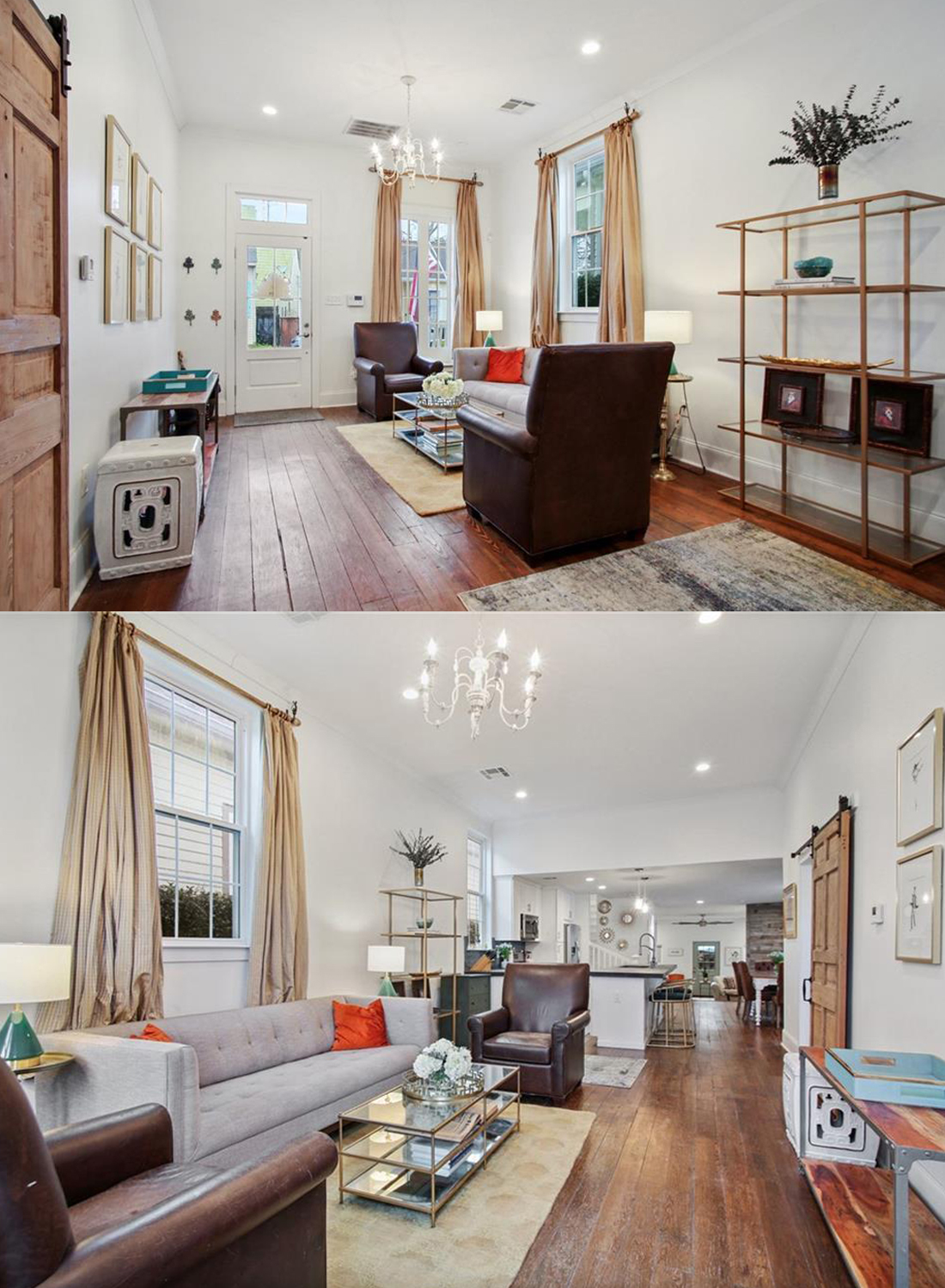
One of the easiest ways to make a shotgun house feel larger is to use a light color palette. Soft white, creamy beige, pale greige, dusty sand, and warm taupe all help bounce light from one room to the next. Since shotgun homes often have a strong visual line from front to back, lighter walls let the whole house feel more open.
Still, light does not have to mean plain. The best interiors use warm undertones so the rooms feel soft, not cold. A creamy wall color paired with light oak, aged brass, and natural linen brings in that cozy feeling right away. Then, when sunlight moves through the house, the whole space glows.
This idea works especially well in older shotgun homes with tall ceilings and wood trim. It lets the architecture stand out while keeping the interior fresh and calm.
Design cues: creamy white walls, warm beige paint, pale wood finishes, linen curtains, soft neutral rugs, brass accents
2. Let the Sightline Stay Open
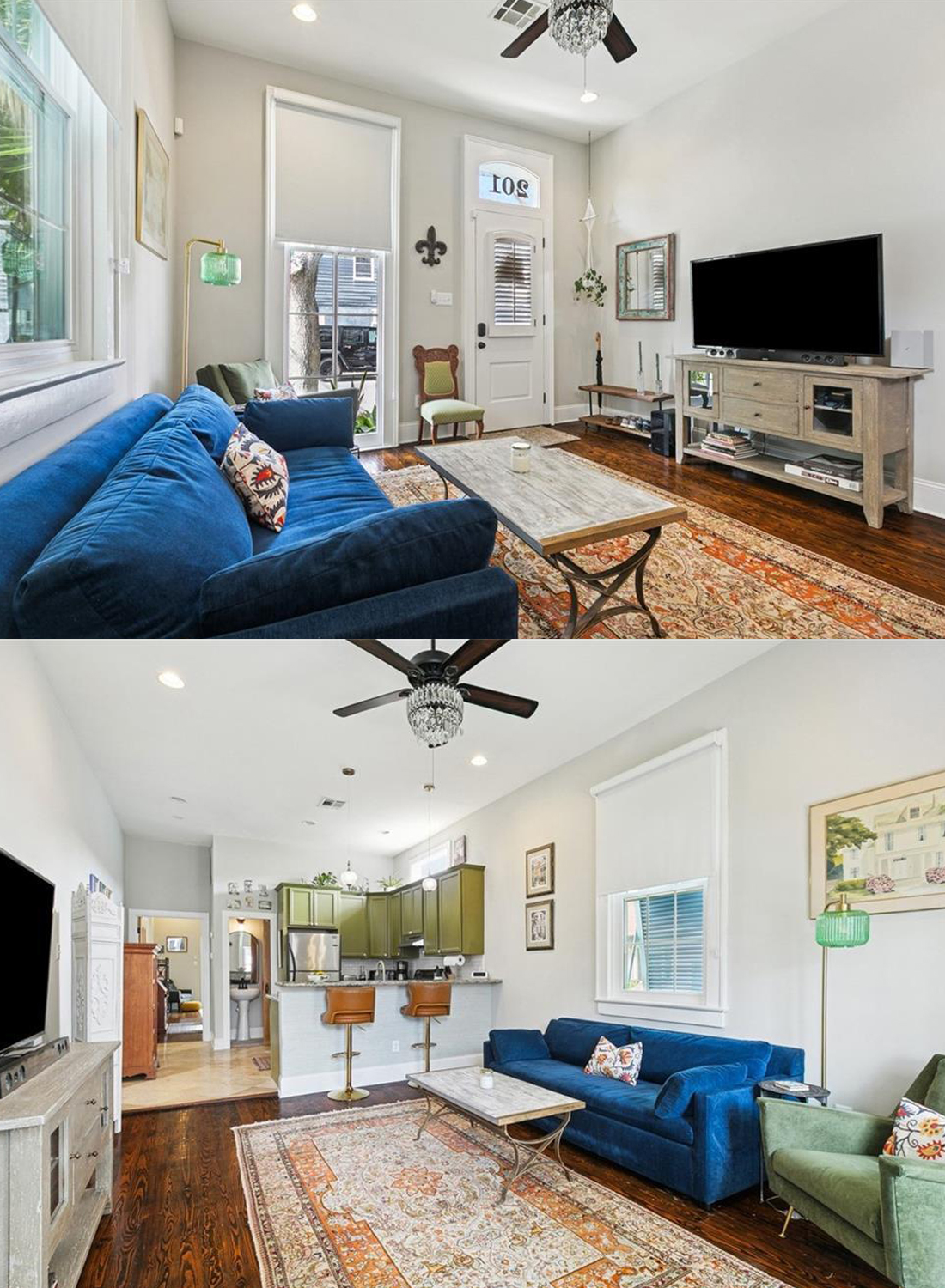
The long line of a shotgun house is part of its magic. So instead of breaking it up with heavy furniture or dark visual blocks, let that sightline breathe. When you can see through several rooms at once, the home feels longer, brighter, and more graceful.
This does not mean every room has to look empty. It means you place furniture with care. Use lower-profile pieces. Avoid bulky cabinets in the center of the floor. Keep pathways clear. Let the eye move through the home without too many stops.
An open sightline also helps each room feel linked to the next. That creates flow, which is one of the most important things in a narrow layout. Even if the rooms are small, the overall house feels calm and connected.
Design cues: clear walkway, low-back sofa, slim console tables, open doorways, simple room transitions, minimal visual clutter
3. Use Furniture That Fits the Scale
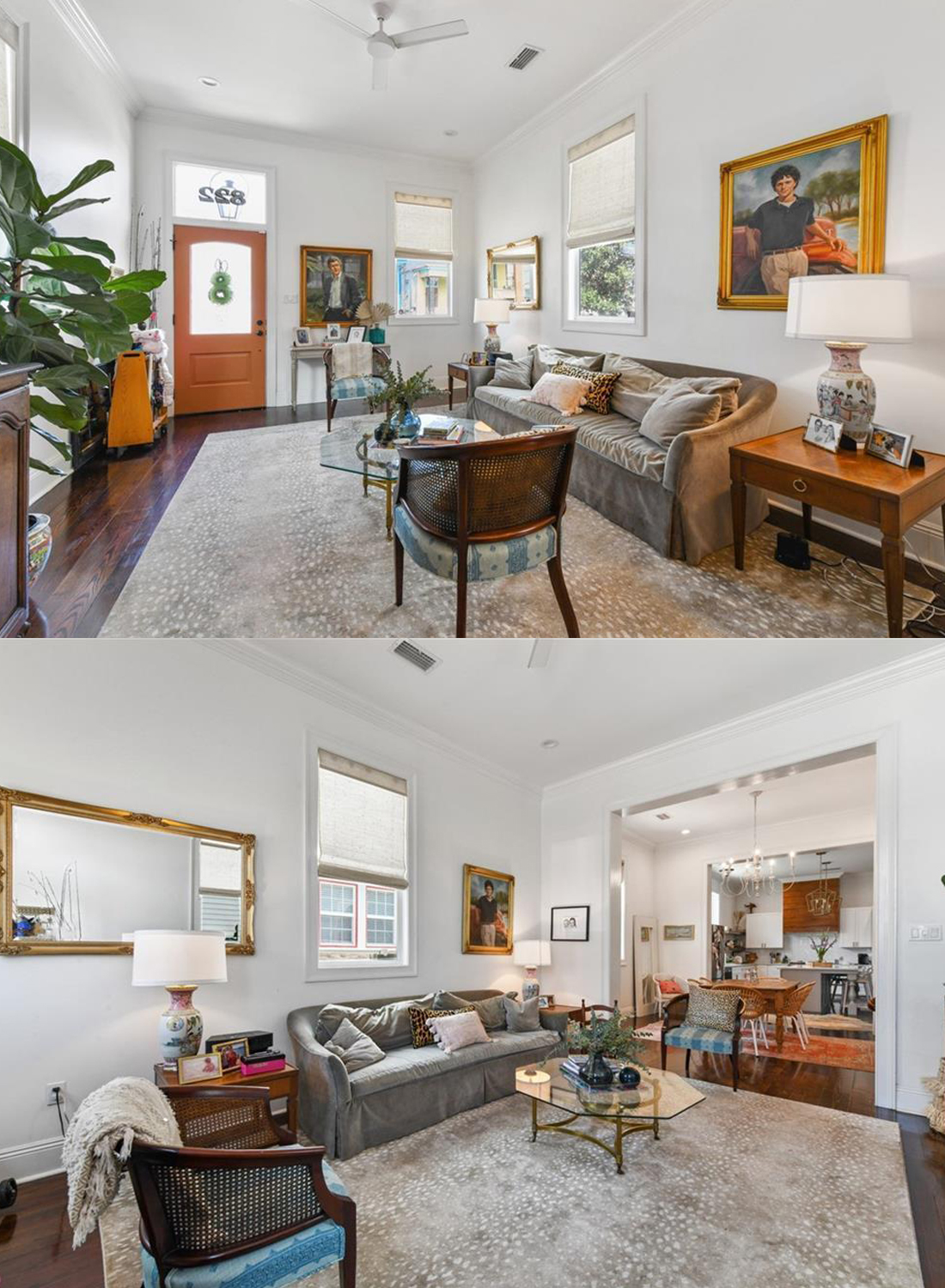
Big, overstuffed furniture can swallow a shotgun house fast. That is why scale matters so much. Instead of deep, bulky seating, choose pieces with slimmer arms, raised legs, and cleaner lines. They still feel comfortable, but they leave more breathing room around them.
In a living room, a compact sofa paired with two light accent chairs often works better than a huge sectional. In a dining area, a round pedestal table can soften the narrow room and improve flow. In bedrooms, a bed with a simple frame and open space underneath can make the room feel less packed.
Good scale helps the whole home feel balanced. The rooms do not just fit the furniture. They support it. That difference is what makes a shotgun interior feel thoughtful instead of crowded.
Design cues: slim-arm sofa, leggy chairs, pedestal table, narrow side tables, simple bed frame, furniture with open bases
4. Add Pocket Doors or Wide Openings
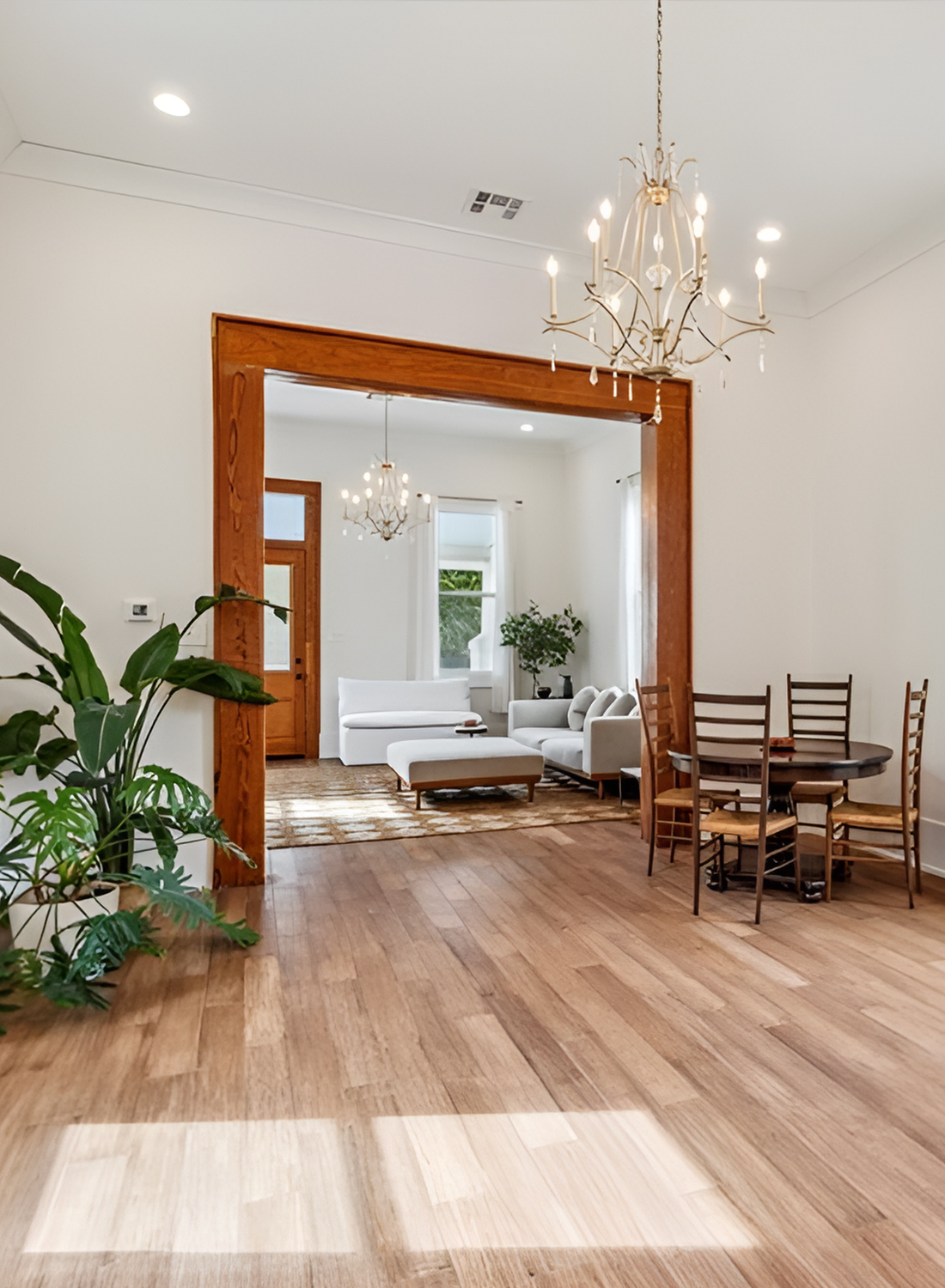
Shotgun houses often connect one room directly to the next. That setup can be charming, but it can also make privacy and flow a little tricky. Pocket doors or wider openings are a smart fix. They help define each room without adding heavy visual weight.
Pocket doors are especially useful because they disappear when open. That keeps the home feeling airy. At the same time, they give you the option to close off a bedroom, office, or bath when needed. If pocket doors are not possible, wider cased openings can create a softer, more open transition between rooms.
This detail also fits the style of many older homes. It feels classic, practical, and easy on the eyes. Better yet, it helps the layout work harder without losing character.
Design cues: pocket doors, wide cased openings, French doors with glass, transom windows, trimmed openings, historic millwork
5. Layer Natural Light With Soft Window Treatments
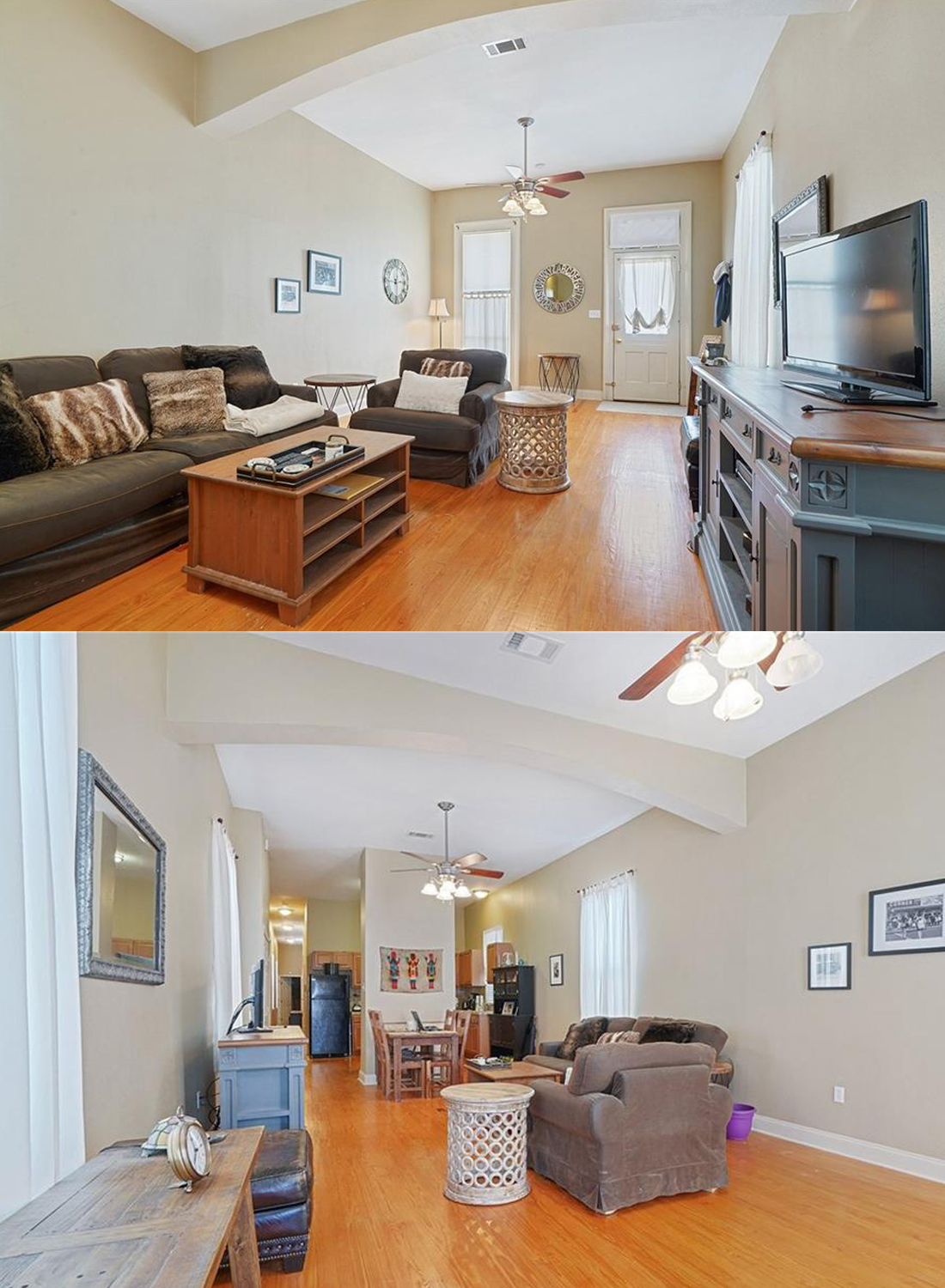
A shotgun house needs light to feel its best. So whenever possible, let the windows do their job. Skip anything too heavy or dark. Instead, use airy curtains, woven shades, or simple Roman shades that filter light without closing the room in.
Because the layout is long, natural light from the front and back of the house can pull the whole interior together. Soft window treatments help that light travel farther. They also keep the rooms feeling relaxed and lived in, which suits the easy charm of a shotgun house.
If privacy matters, choose light-filtering fabric instead of blackout panels in main spaces. That way you still get softness and brightness at the same time. The result feels gentle, polished, and welcoming.
Design cues: sheer curtains, bamboo shades, Roman shades, tall windows, soft sunlight, light-filtering fabric
6. Make the Ceilings a Feature
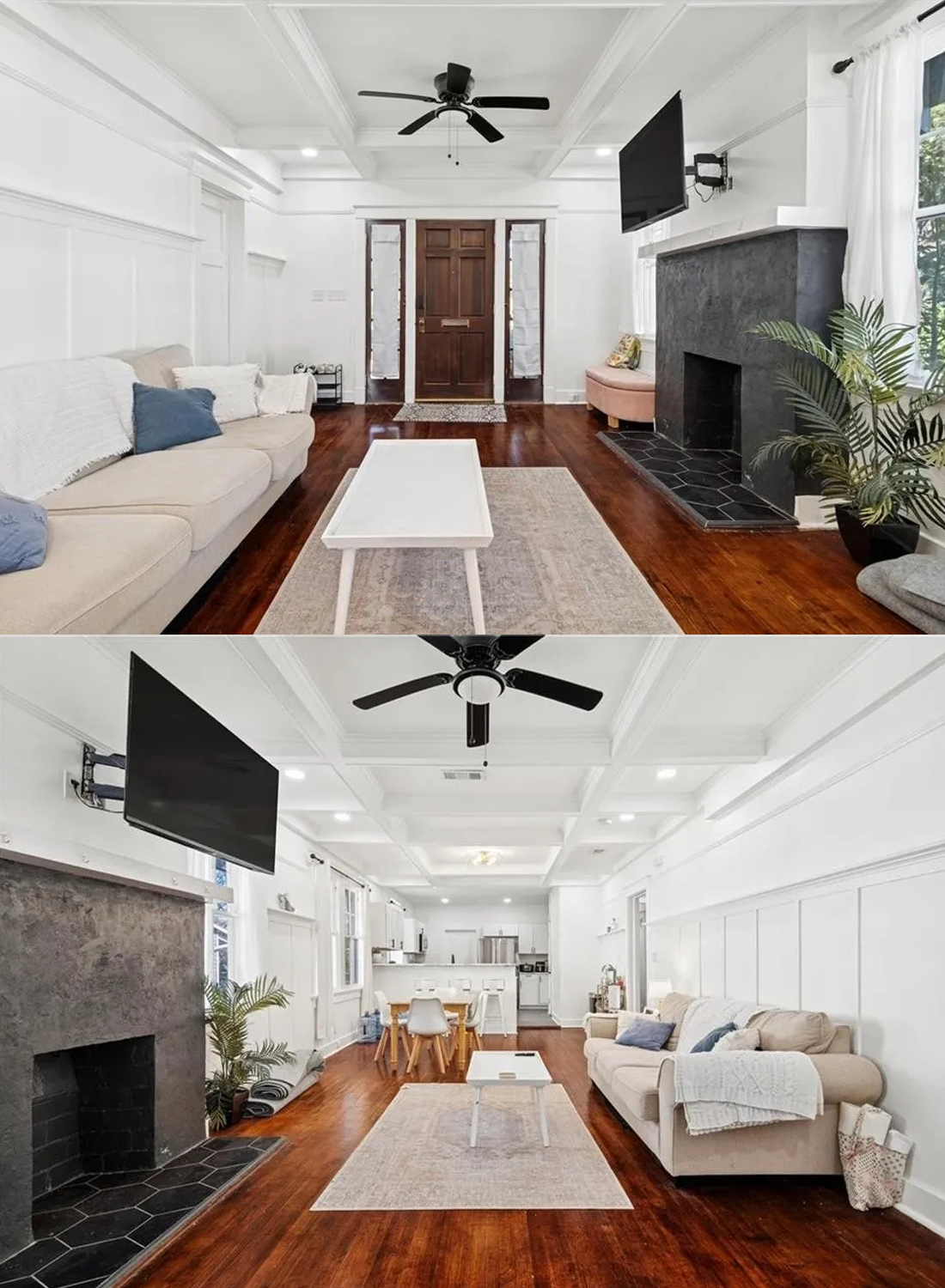
Many shotgun houses have one thing people love right away: ceiling height. Even if the rooms are narrow, tall ceilings can make the home feel airy and grand. So do not ignore them. Draw attention upward with paint, beams, pendant lights, or simple molding.
A crisp ceiling paired with tall curtains can stretch the room visually. Beadboard or tongue-and-groove adds cottage charm. Exposed beams bring warmth and age. Even one striking pendant in the right spot can make a small room feel designed.
This move matters because it shifts focus from the narrow width to the full volume of the room. Instead of noticing what the home lacks, guests notice what makes it special.
Design cues: tall ceilings, painted beadboard, exposed beams, crown molding, long drapes, statement pendants
7. Create Zones With Rugs and Lighting
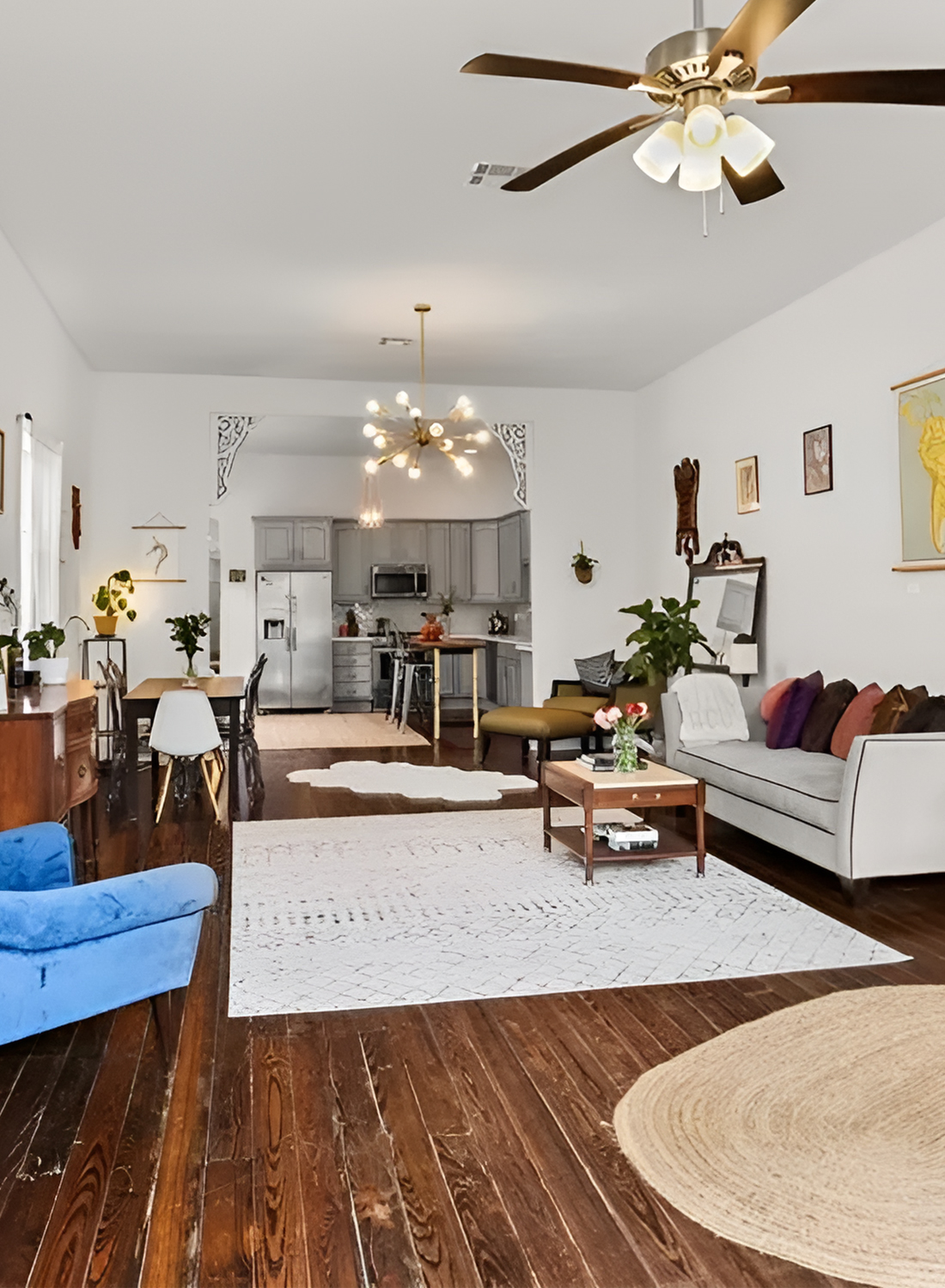
In a shotgun house, one room often leads straight into another. That can make the house feel open, but sometimes the spaces start to blur together. The fix is simple. Define each zone with rugs and lighting.
A rug under the living room seating group tells the eye where that space begins and ends. A pendant over the dining table does the same thing. A small table lamp on a desk can carve out an office corner without the need for walls. These details create order while keeping the layout easy and open.
This is one of the best tricks for small homes because it adds structure without taking up floor space. Each area feels like it has a purpose, and the whole home feels more finished.
Design cues: layered rugs, pendant lighting, table lamps, defined seating area, dining zone, subtle room separation
8. Mix Old Character With Fresh Finishes
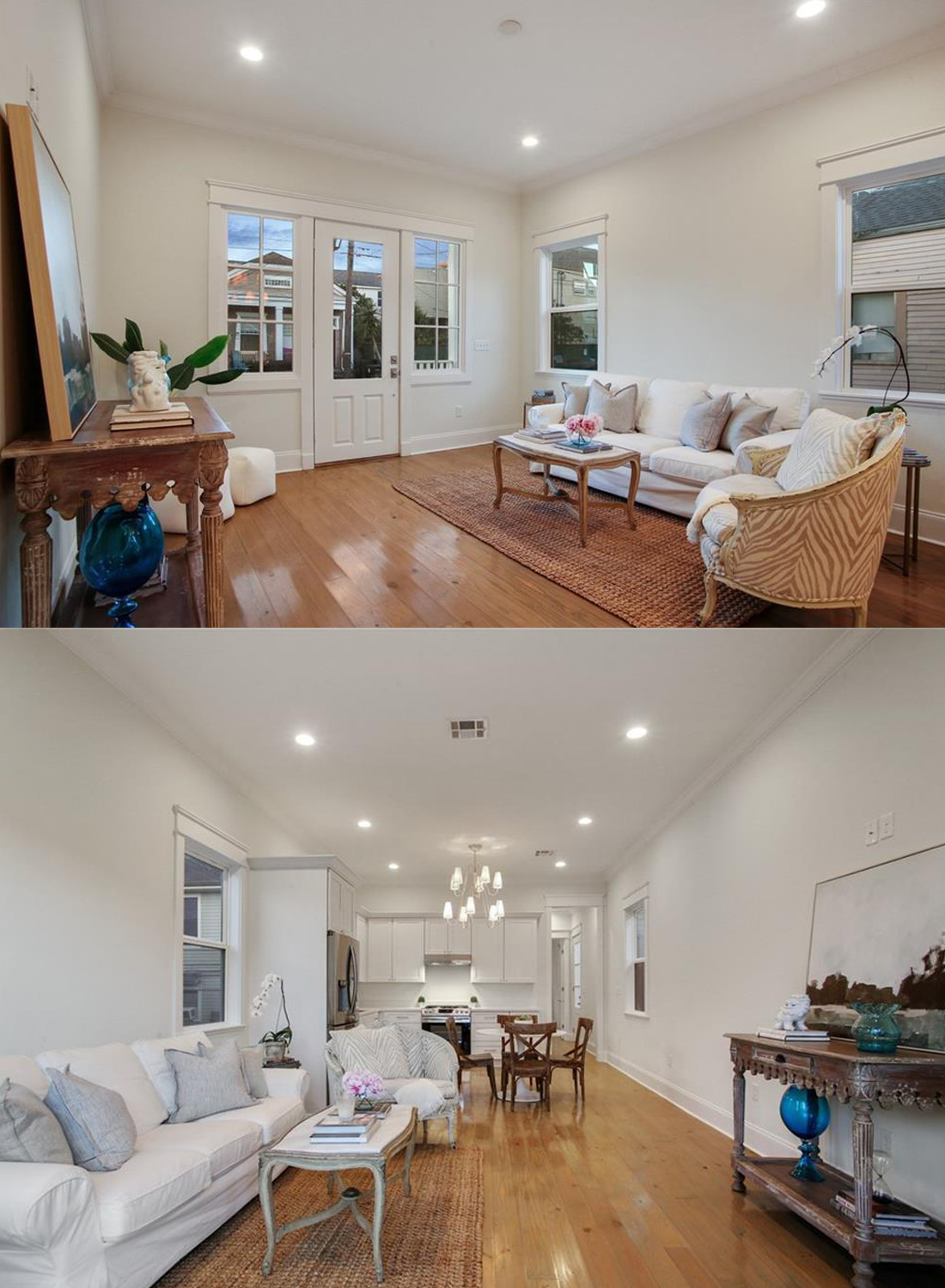
Shotgun houses shine when they honor their history. If your home has original floors, tall baseboards, ceiling medallions, fireplaces, or old doors, let those features lead the design. Then layer in fresh finishes that make the home feel current and easy to live in.
This mix keeps the interior from feeling too themed or too plain. For example, you might pair original pine floors with crisp white walls and modern sconces. Or you could keep an old mantel, then style it with simple art and clean-lined decor. The contrast feels rich and natural.
A shotgun house does not need a full museum look. It just needs a little respect for what is already there. When old and new work together, the home feels collected and full of soul.
Design cues: original wood floors, old fireplace mantel, vintage trim, simple sconces, modern art, updated hardware
9. Choose Built-Ins Where You Can
Storage can be a challenge in narrow homes. That is why built-ins are such a smart move. They use wall space well, keep the floor more open, and make the house feel custom. In a shotgun interior, that matters a lot.
A built-in bench in the dining nook can replace extra chairs. Shelves around a doorway can turn dead space into display and storage. A window seat can hide blankets, books, or games. In a bedroom, a wall of shallow cabinets may work better than a bulky dresser.
Built-ins also help the home look tidy, and tidy rooms always feel larger. Even one custom-looking storage piece can make the whole interior feel more polished and intentional.
Design cues: window seat, wall shelves, built-in bench, shallow cabinets, storage niches, custom millwork
10. Use Mirrors to Stretch the Space
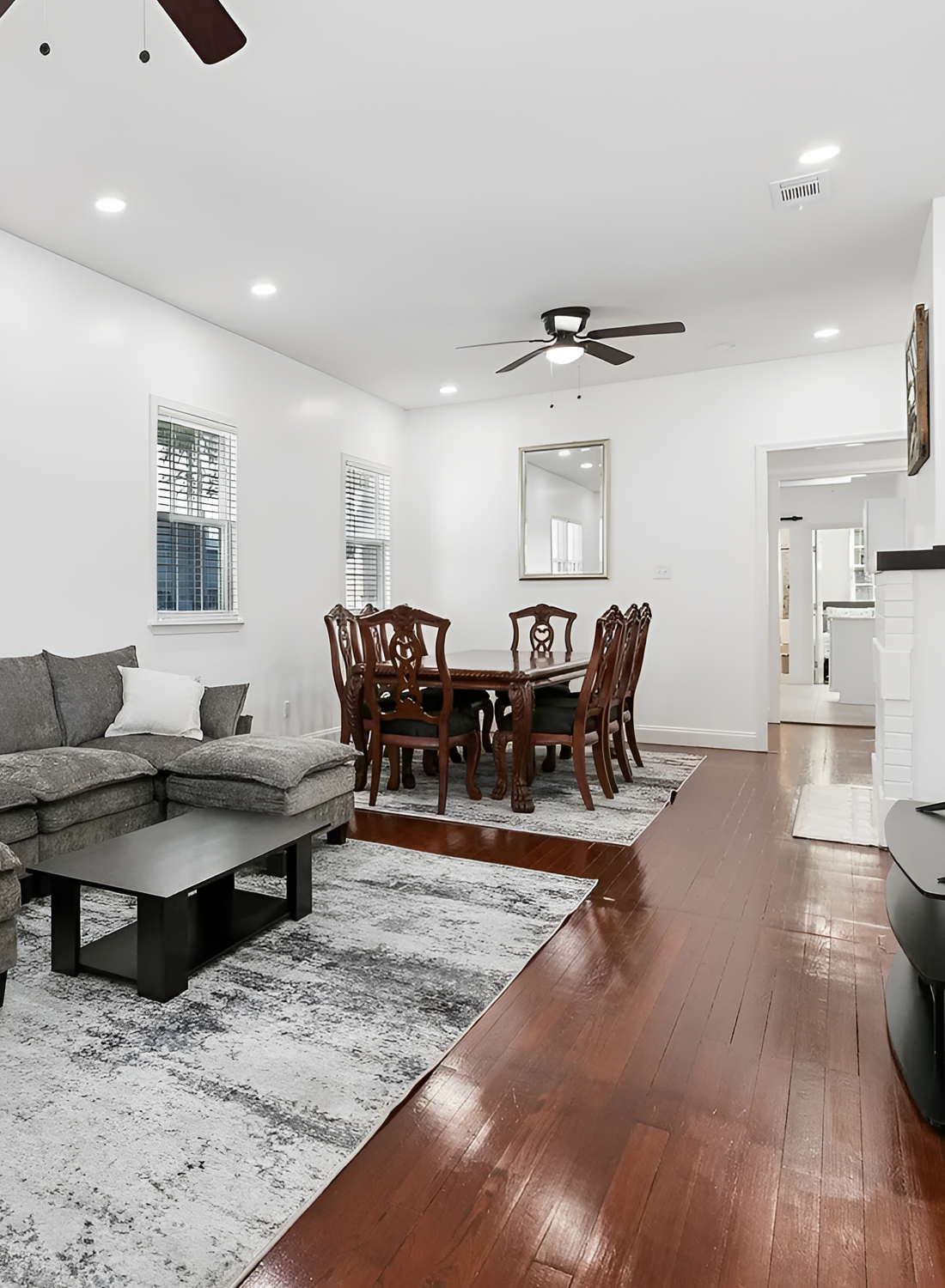
Mirrors are classic in small homes for a reason. They reflect light, open up walls, and make tight rooms feel wider than they are. In a shotgun house, they can be especially helpful because they break up long stretches of wall and brighten dim spots.
A large mirror across from a window can double the sense of light. A mirror at the end of a hallway can make the home feel deeper. Even smaller mirrors layered into a gallery wall can add sparkle and movement.
The key is to place them where they catch light or reflect something beautiful. That way they do more than just fill space. They help shape the mood of the room.
Design cues: oversized wall mirror, mirror across from window, antique mirror frame, hallway mirror, reflective decor, brighter corners
11. Keep the Kitchen Narrow but Hard-Working
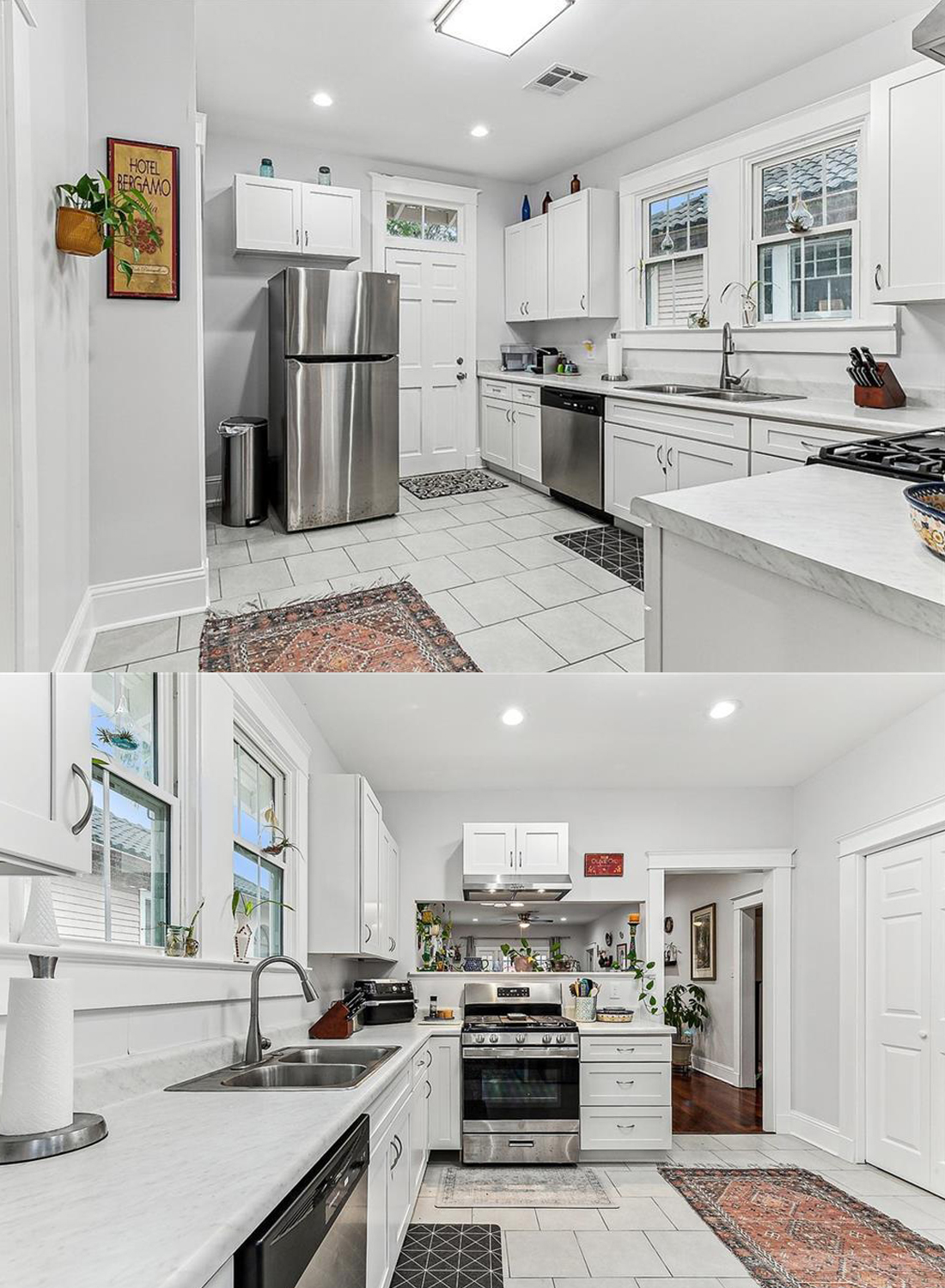
A shotgun house kitchen often sits in a tight footprint. That does not mean it cannot be stylish. In fact, some of the best shotgun kitchens are narrow, efficient, and full of charm. The trick is to keep the layout simple and the materials warm.
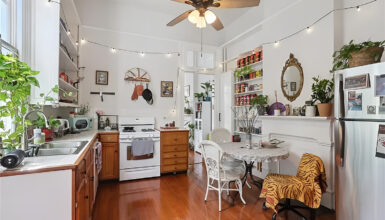
Galley kitchens work very well in these homes. They make use of both walls and keep the center walkway clear. Open shelves can help the room feel less boxed in. Light cabinetry, warm wood cutting boards, and classic tile keep the look soft and lived in.
Since the kitchen may be visible from nearby rooms, it should feel like part of the whole house. Use colors and finishes that connect back to the living and dining spaces so the flow stays easy.
Design cues: galley kitchen, open shelving, light cabinets, warm wood accents, simple tile backsplash, narrow center walkway
12. Bring in Texture to Add Depth
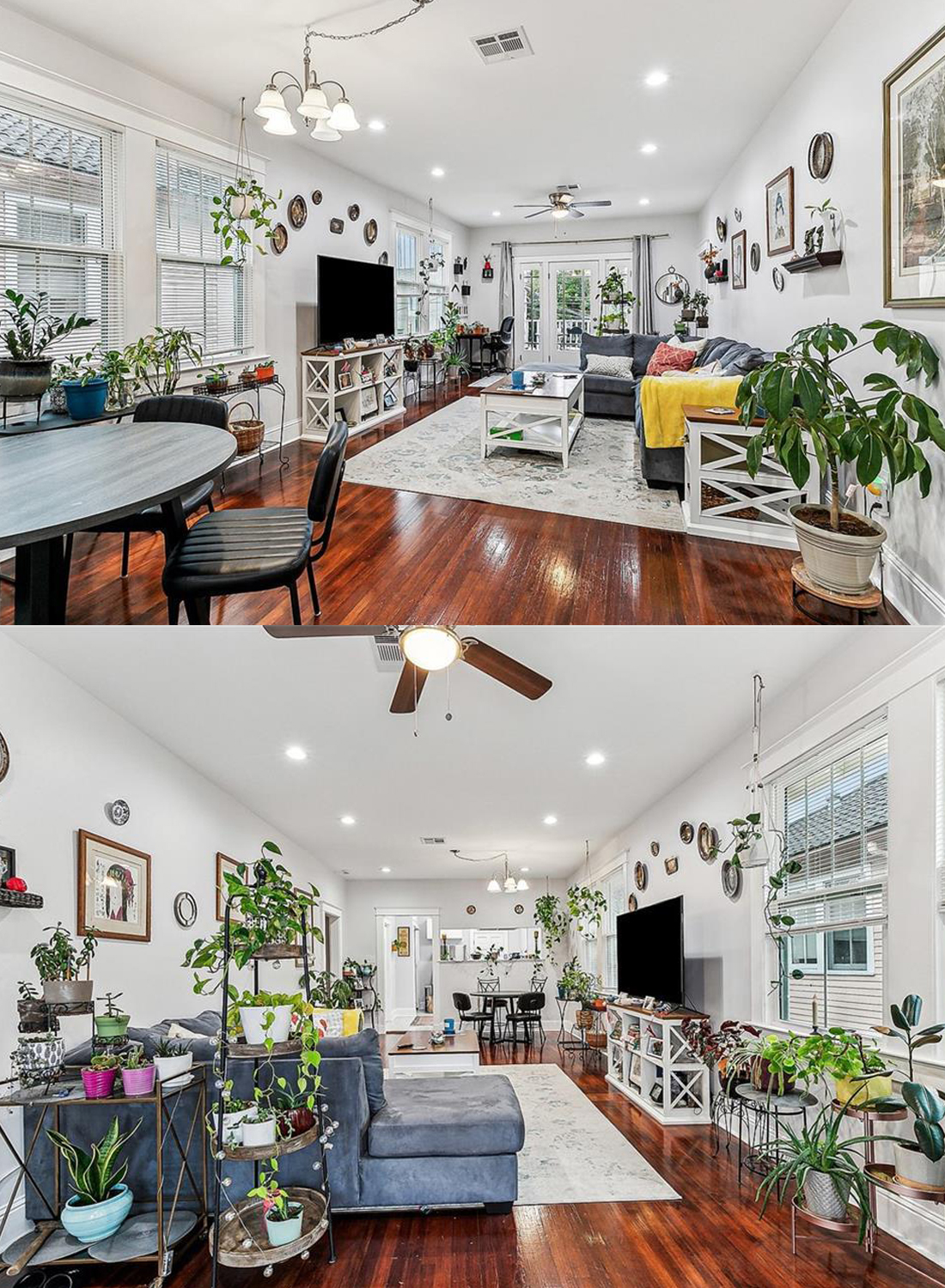
When the footprint is simple, texture becomes your best friend. It adds richness without taking up space. In a shotgun house, that means layering materials that feel warm, tactile, and easy to live with.
Think linen curtains, woven baskets, jute rugs, cane chairs, plaster walls, wood furniture, and soft cotton bedding. These textures keep the house from feeling flat, even when the color palette stays soft and neutral. They also bring that inviting, touchable quality that makes a home feel relaxed.
Texture is especially important in smaller homes because every detail shows. A room does not need too many items. It just needs the right ones. A few strong textures can do a lot of the design work for you.
Design cues: linen, jute, cane, wood grain, woven baskets, plaster finish, layered textiles
13. Use Hallways and Pass-Through Spaces Wisely
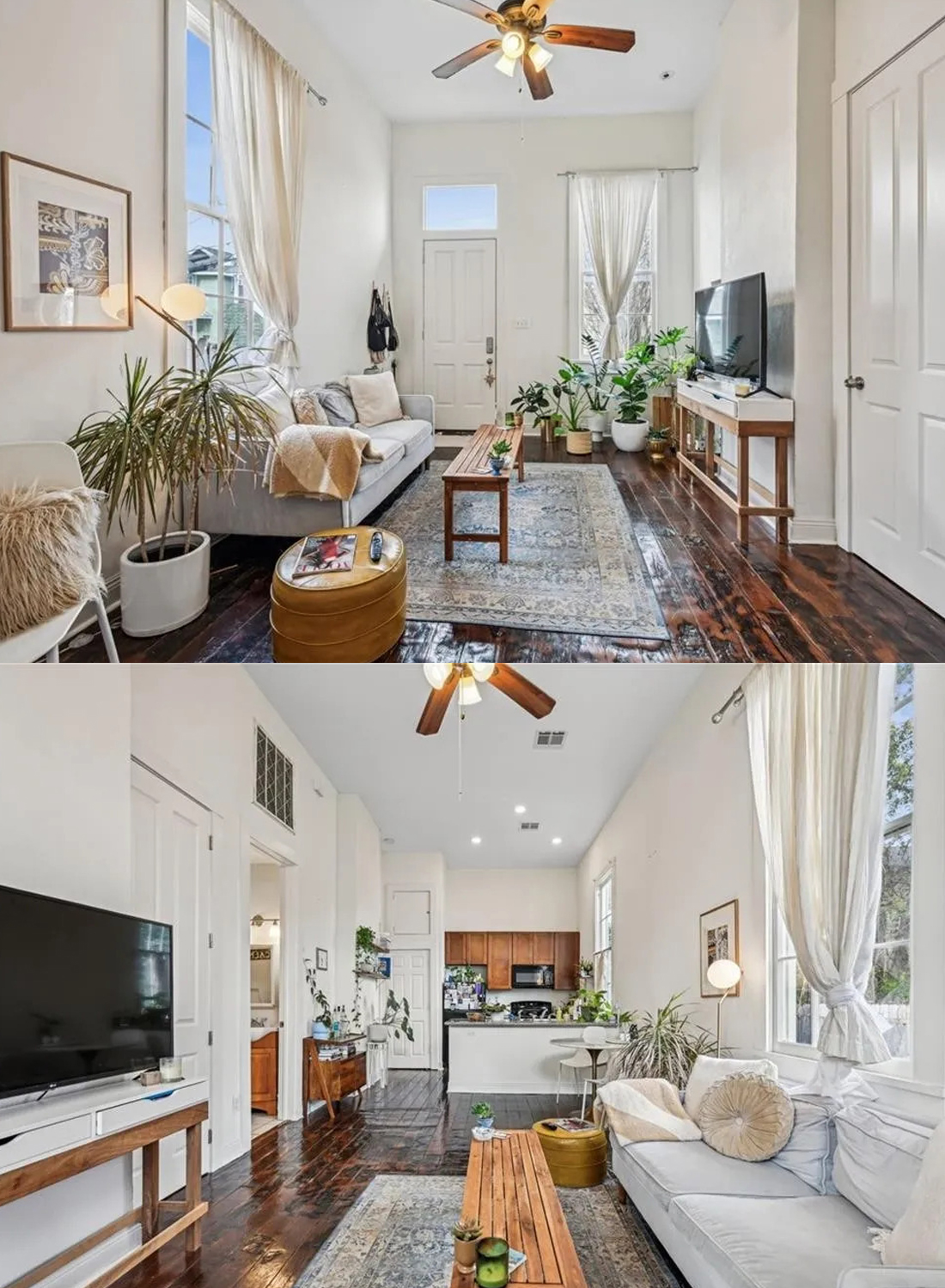
Some shotgun homes have little pass-through spots, narrow halls, or transition areas that feel too small to decorate. But these spaces can do a lot. A slim runner, small artwork, wall hooks, or a narrow shelf can turn them into moments instead of leftovers.
The key is to keep the scale tight. You do not want these areas to feel stuffed. You want them to feel useful and charming. A tiny reading ledge, a row of framed prints, or a peg rail for hats and bags can make the home feel more personal without getting in the way.
These in-between spaces also help the house tell a story. They make the walk from one room to another feel thoughtful and warm.
Design cues: slim runner, peg rail, narrow shelf, small framed art, hallway lighting, simple styling
14. Give Each Room Its Own Mood
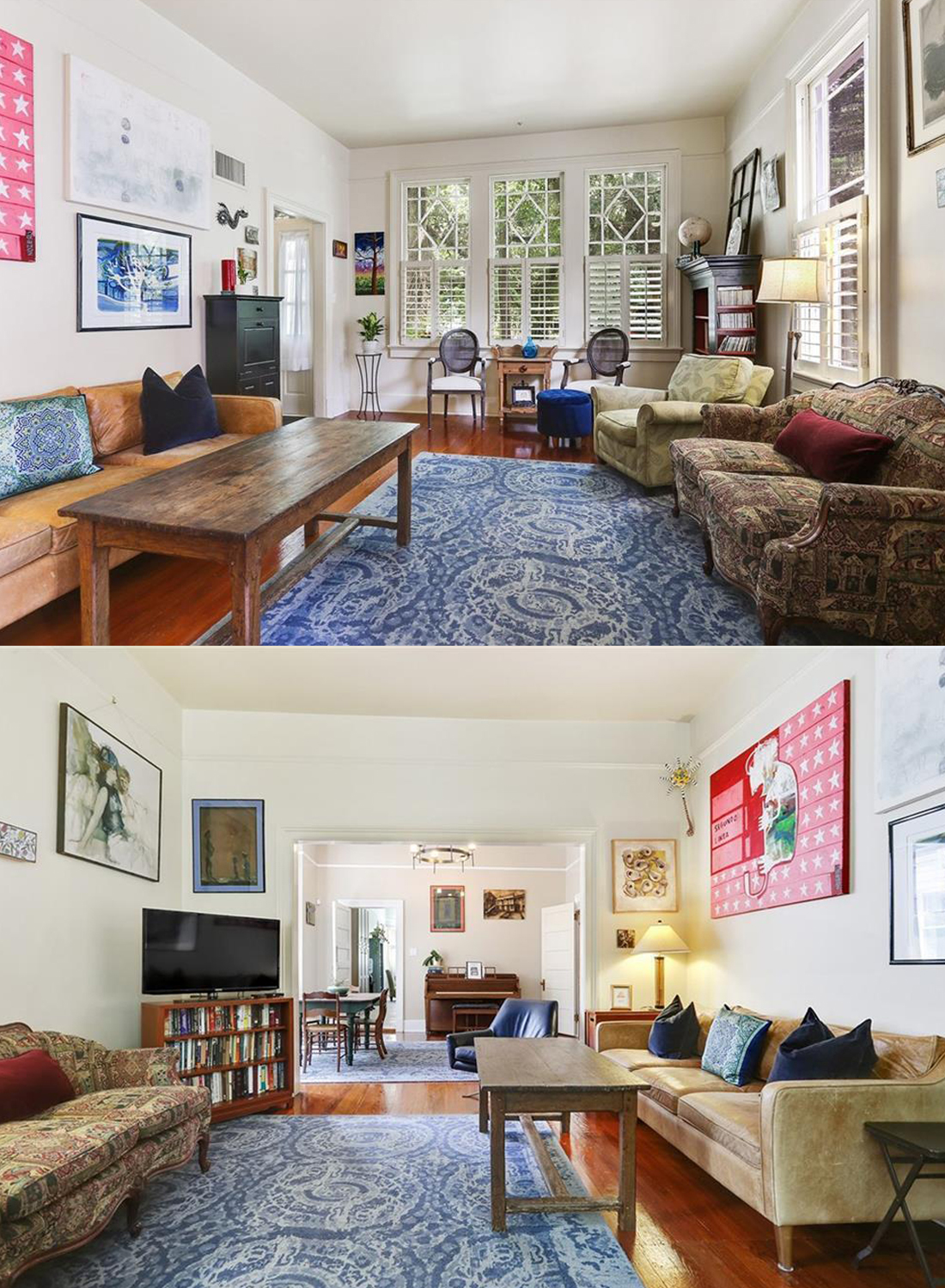
Even though a shotgun house has a strong linear flow, every room should still have its own identity. This is what keeps the home from feeling repetitive. You want connection, but you also want character.
That can happen through color, art, fabric, or one standout piece in each room. Maybe the front sitting room feels bright and classic. Then the dining room feels moodier with darker wood and a vintage rug. After that, the bedroom turns soft and restful with layered neutrals and quiet lighting.
When each room has a little personality, the journey through the house feels more interesting. The home becomes a sequence of spaces, not just a long line of furniture.
Design cues: distinct room mood, layered art, varied textiles, unique pendant in each room, subtle color shifts, curated decor
15. Keep It Personal and a Little Collected
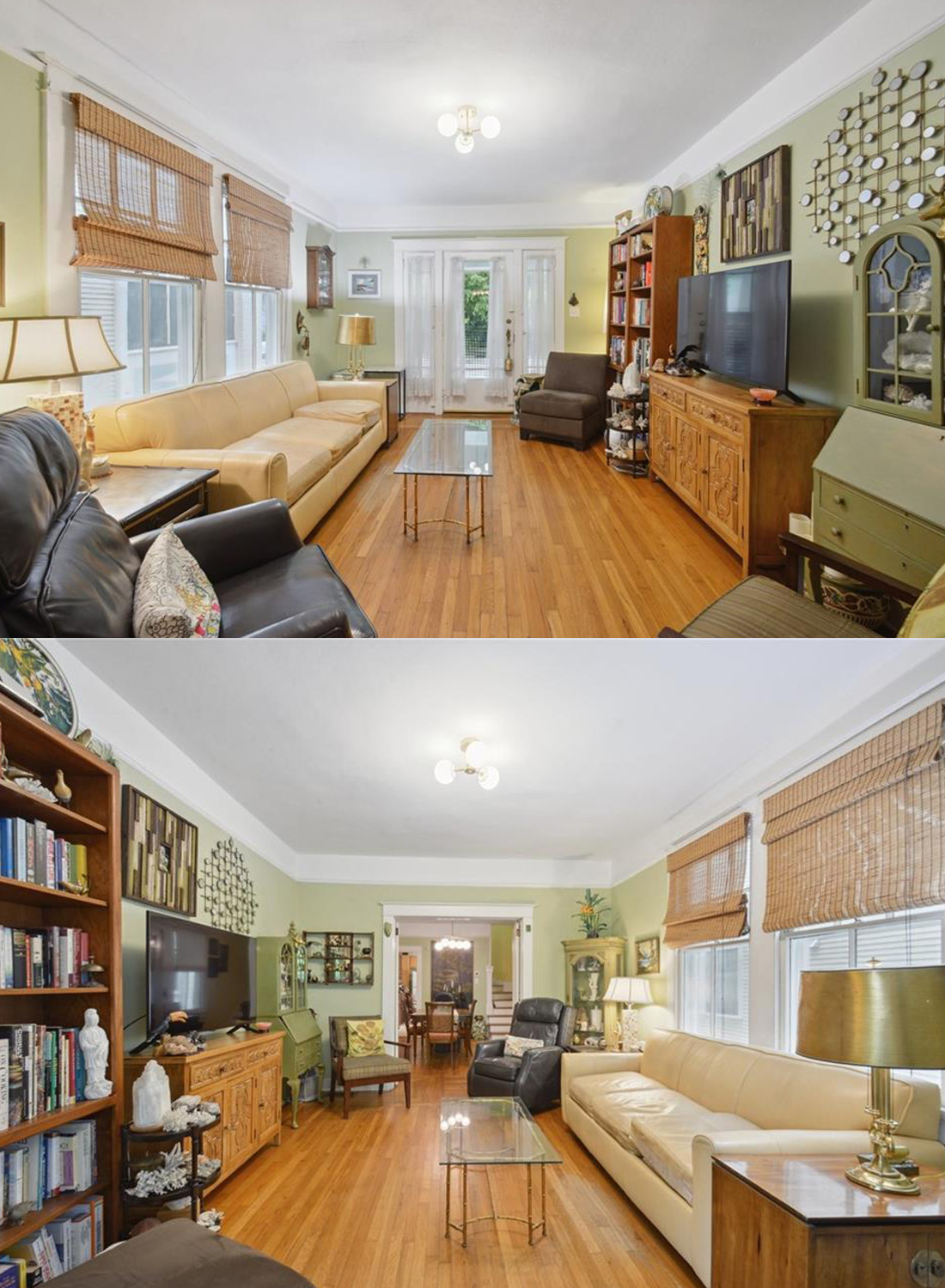
The best shotgun interiors do not feel too perfect. They feel lived in, layered, and personal. That is part of their charm. Because the footprint is smaller, every item has more presence. So choose pieces that mean something or tell a story.
You might style the home with vintage finds, old books, family photos, handmade pottery, or art picked up while traveling. These pieces give warmth to the narrow rooms and keep the house from looking generic. They also suit the history and intimacy of a shotgun layout.
A collected look works so well here because it feels human. It softens the architecture. It makes even a simple room feel full of life. And in the end, that is what makes a shotgun house unforgettable.
Design cues: vintage decor, framed family photos, old books, handmade pottery, collected art, meaningful accents
Conclusion
A beautiful shotgun house interior is all about balance. You want the home to feel open, but still cozy. You want it to feel simple, but never plain. The good news is that small changes can make a big impact. From light colors and slim furniture to clever storage and rich texture, these ideas can help you turn a narrow layout into a home that feels welcoming, practical, and full of personality.