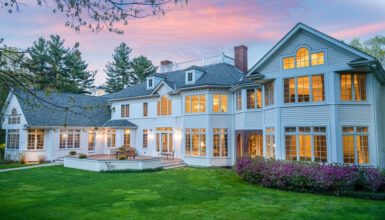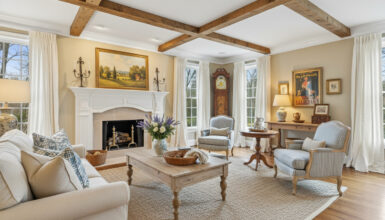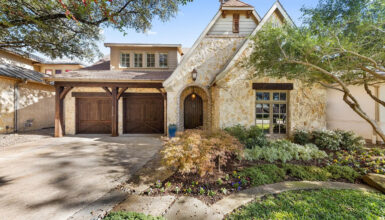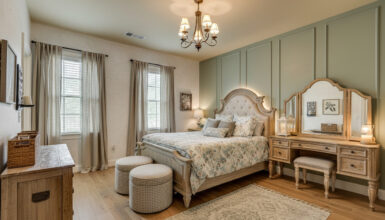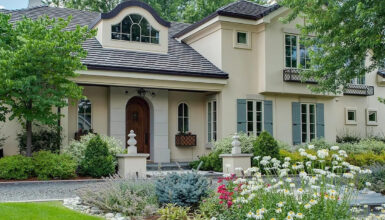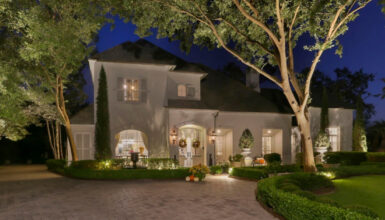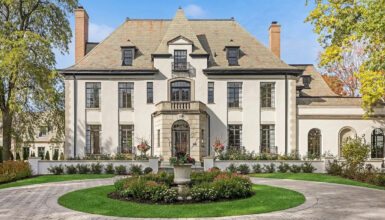
Imagine opening the grand doors to a French chateau and stepping onto cool stone floors. Light pours through tall, arched windows. The air carries a hint of lavender and old books. Everywhere you look, beauty and history come together. French chateau interiors feel inviting and elegant, with every corner whispering tales from centuries past. Whether you dream of recreating this style at home or just love a peek inside, you’re about to discover why these spaces are so enchanting.
Let’s explore the world of French chateau interiors. We’ll wander through the history, admire key features, and gather easy-to-follow style cues you can use anywhere.
A Brief History: The Heart of the French Chateau
Chateaux (the French word for “castles”) first appeared across the countryside in the Middle Ages. But the interiors we picture today really came to life during the Renaissance and beyond—when French nobility, artists, and architects transformed these grand homes into masterpieces.
Early Beginnings
The oldest chateaux were strongholds. Interiors were simple: thick stone walls, heavy wooden beams, and basic furniture. These rooms kept out the cold and protected the people inside.
Renaissance Revival
By the 15th and 16th centuries, France was changing. Peace brought prosperity, and wealthy families wanted homes that celebrated beauty, not just defense. Italian influence swept in. Interiors became brighter, grander, and more decorative. You’d see stone fireplaces with carved mantels, tapestries on the walls, and furniture with turned legs and graceful lines.
The Golden Age of Luxury
The 17th and 18th centuries marked the golden age. Think Louis XIII, Louis XIV, and the Palace of Versailles. French chateau interiors were all about luxury. Gilded mirrors, paneled walls, and chandeliers sparkled in every salon. But even in all this splendor, rooms kept a warm, lived-in feel—never stiff or museum-like.
Modern Influences
Today, French chateau style is still a favorite around the world. Designers borrow its best features for country estates, city apartments, and even small cottages. The look can feel formal or relaxed, depending on how you use it.
Key Features of French Chateau Interiors
French chateau interiors blend grandeur with comfort. They showcase layers of history, mixing old and new in seamless harmony. Here’s what sets them apart:
1. Tall Ceilings and Spacious Rooms
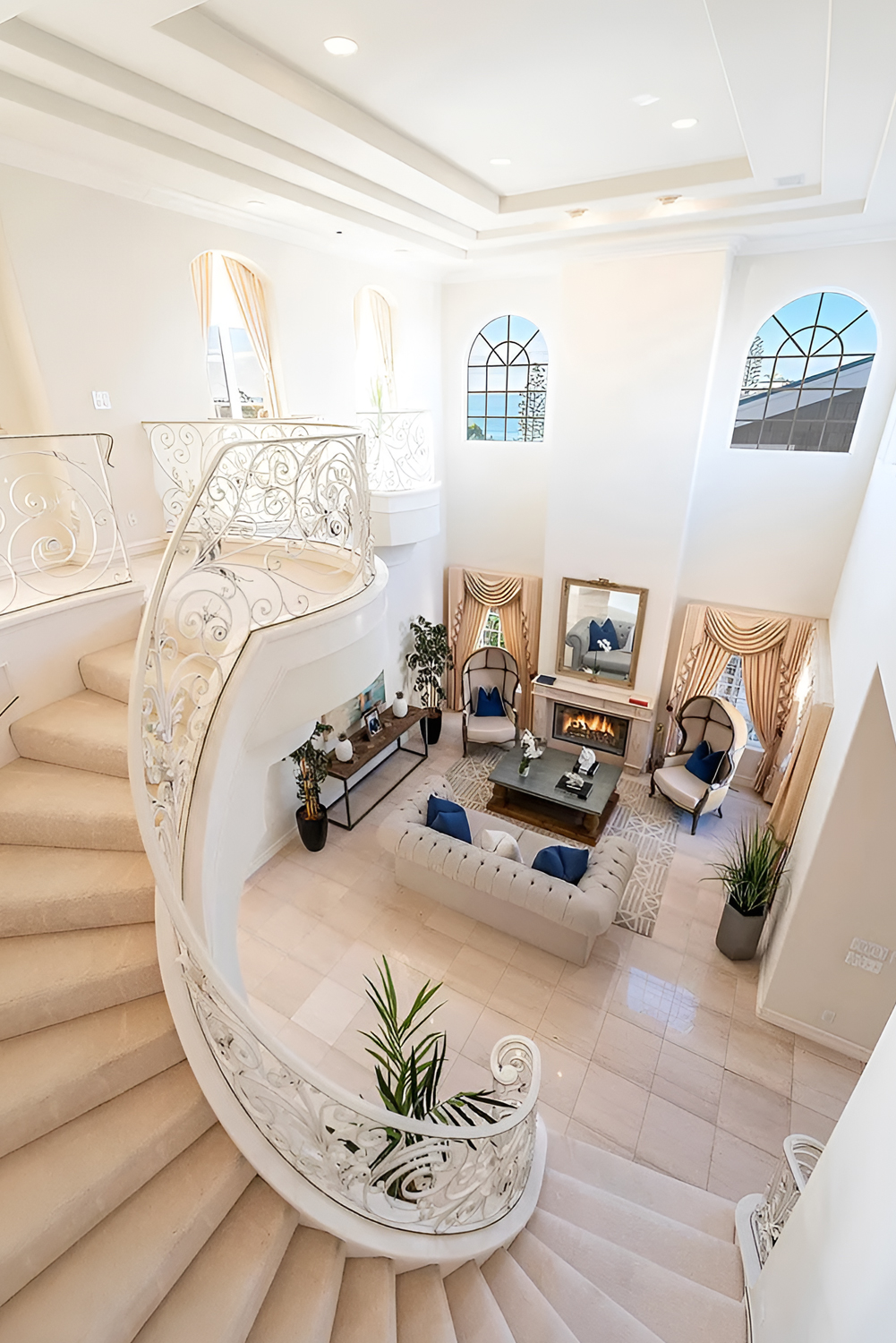
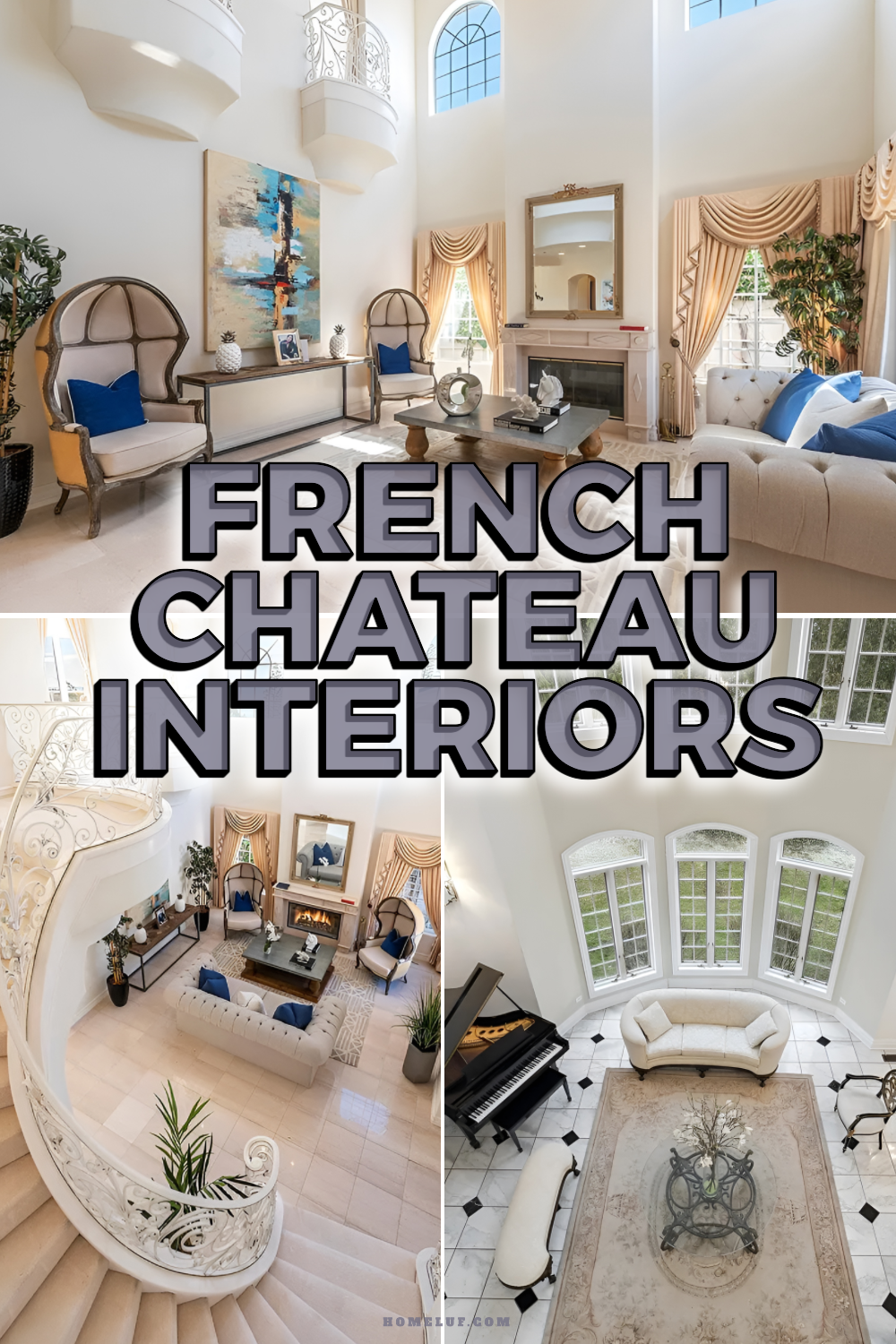
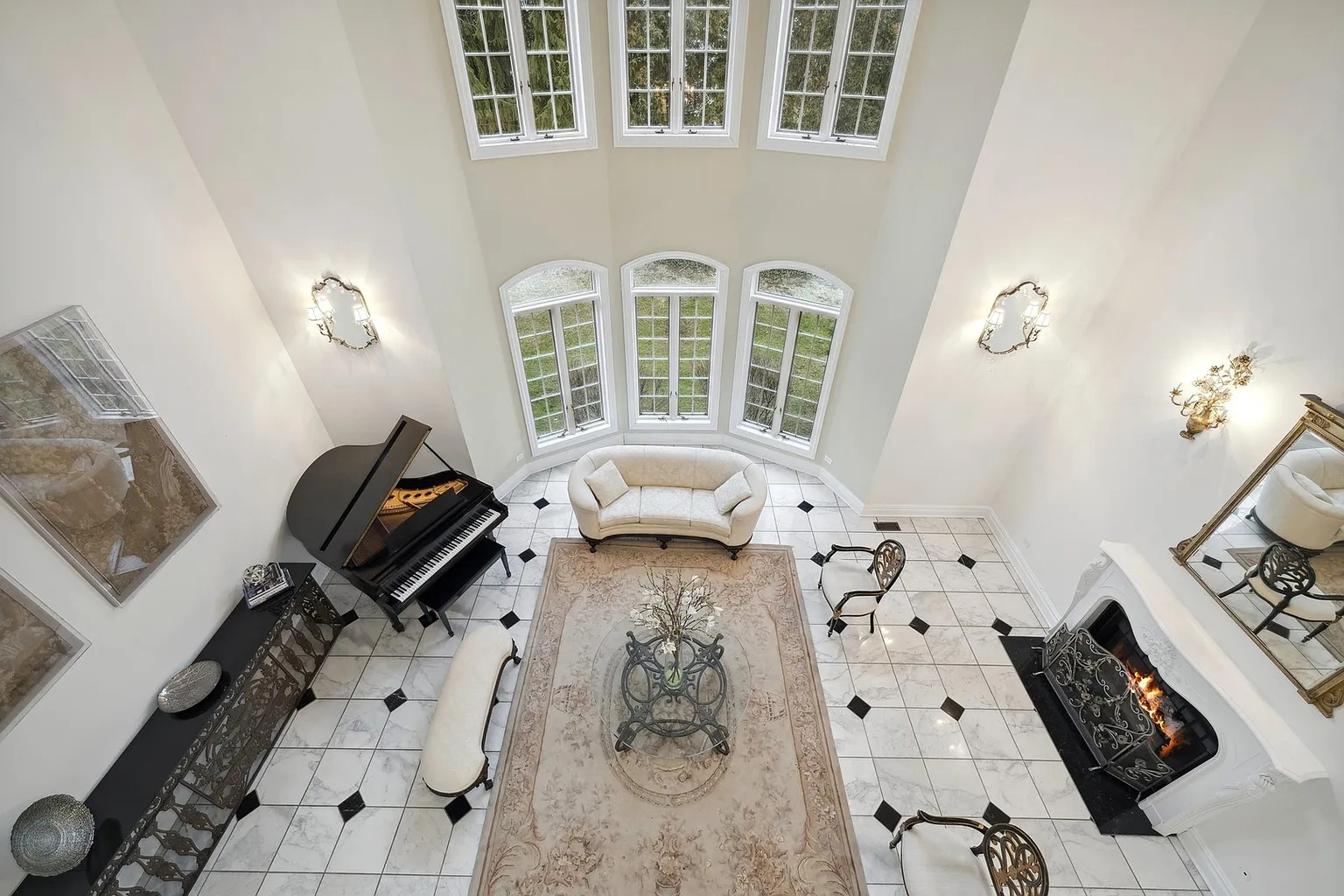
Walk into a French chateau, and the first thing you notice is the space. High ceilings make every room feel airy and open. Tall windows let sunlight flood in, making even the largest rooms feel bright and welcoming.
Style cue:
At home, hang curtains close to the ceiling to create the illusion of height. Choose long, flowing drapes in soft linen or silk.
2. Architectural Details
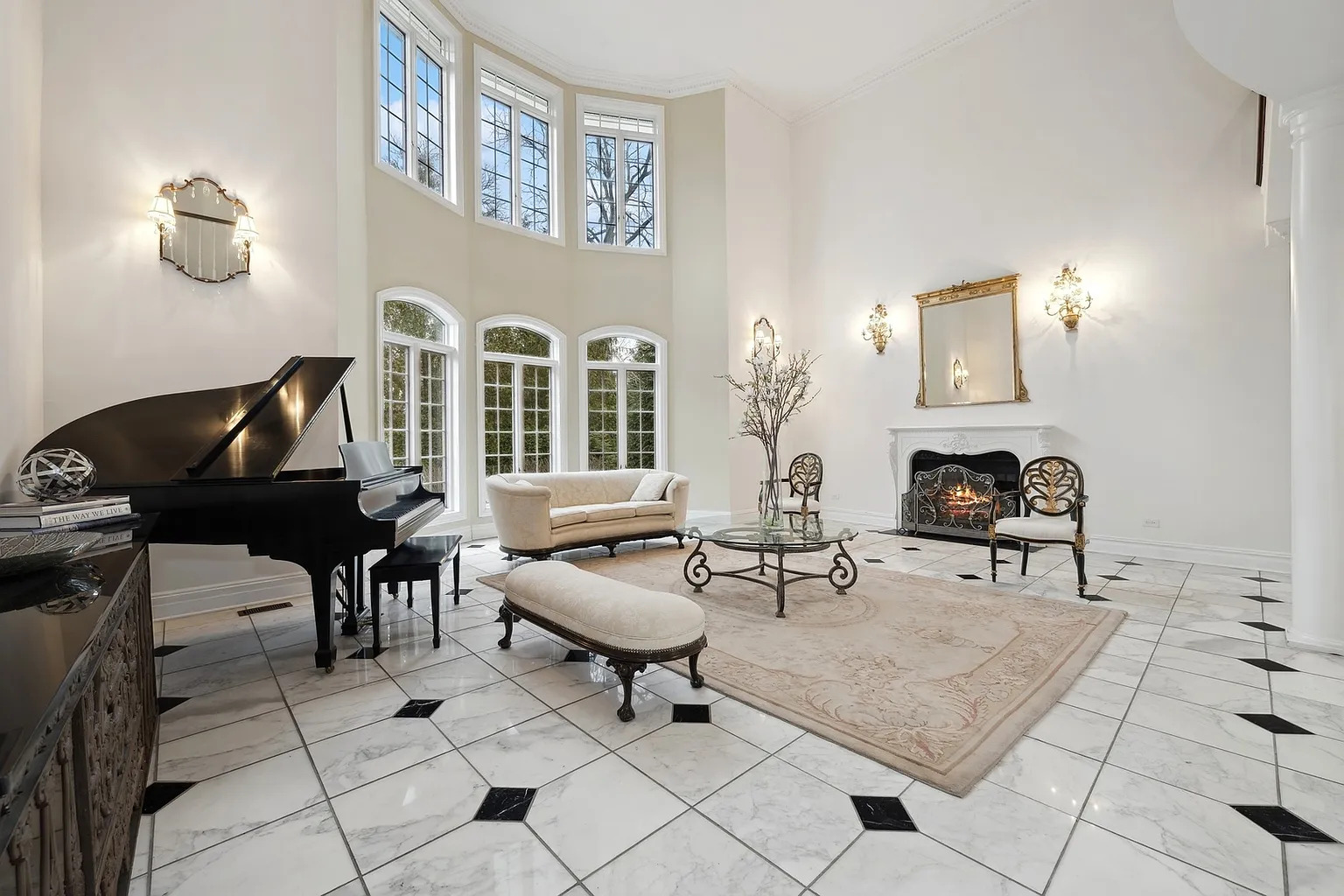
French chateau rooms are rich with details—think ornate moldings, wall paneling, carved door frames, and grand fireplaces. Each element adds character.
- Crown Molding: Wide and elegant, often with floral or leaf patterns.
- Wall Paneling (Boiserie): Painted wood panels, sometimes gilded or in soft colors.
- Fireplaces: Stone or marble mantels, often the focal point of a room.
Style cue:
Add simple molding to walls or frame a doorway to echo this look. For a quick update, paint existing trim in a creamy white or pale gray.
3. Natural Materials
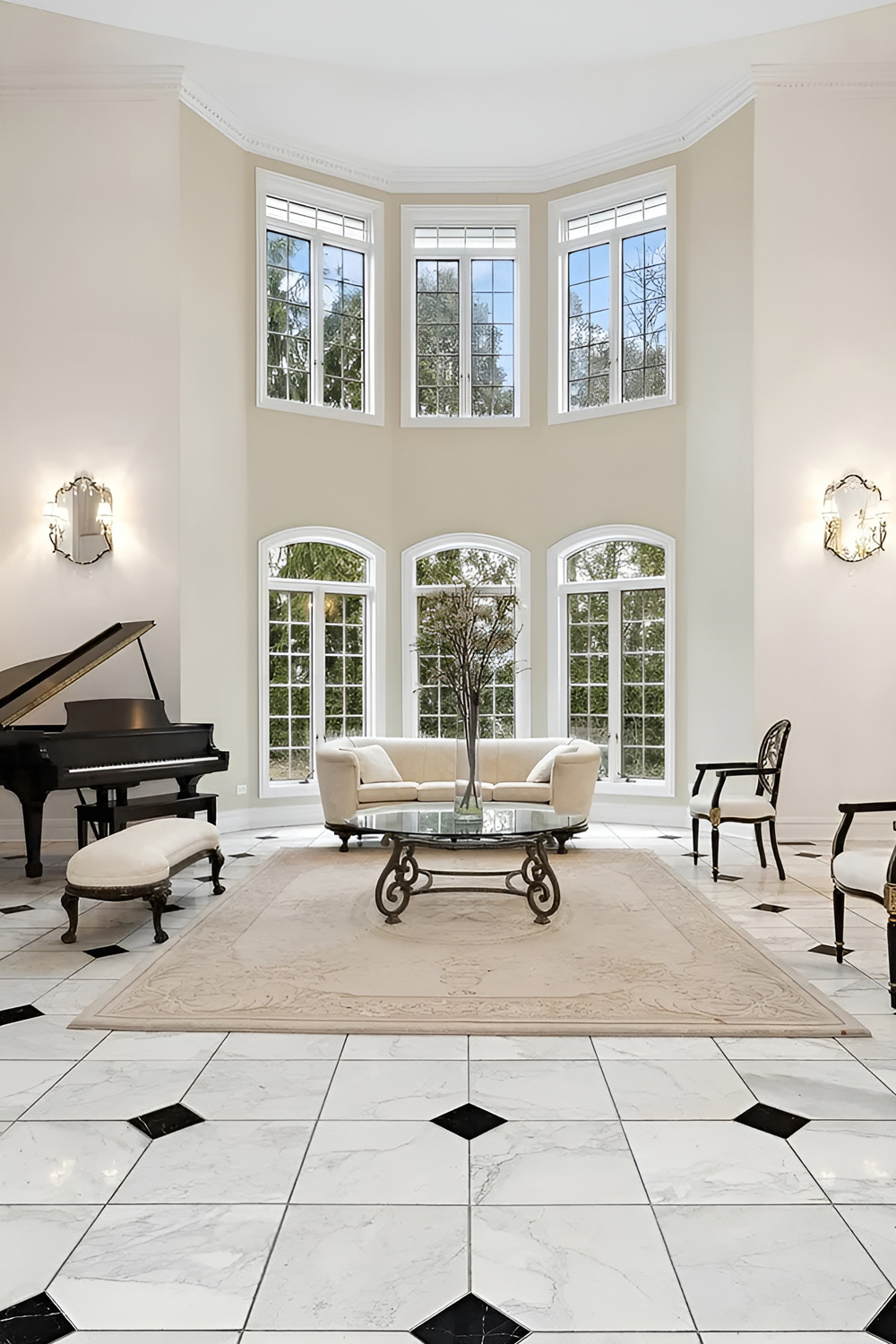
Stone floors, aged wood beams, and marble accents show up everywhere. These materials bring texture and warmth to grand spaces.
- Floors: Limestone, wide-plank wood, or classic black-and-white marble tiles.
- Beams: Exposed wood, often with a timeworn finish.
Style cue:
Use natural wood furniture or stone accessories, even in a modern home. A rustic wood table or marble-topped console instantly nods to the French look.
4. Soft, Muted Color Palette
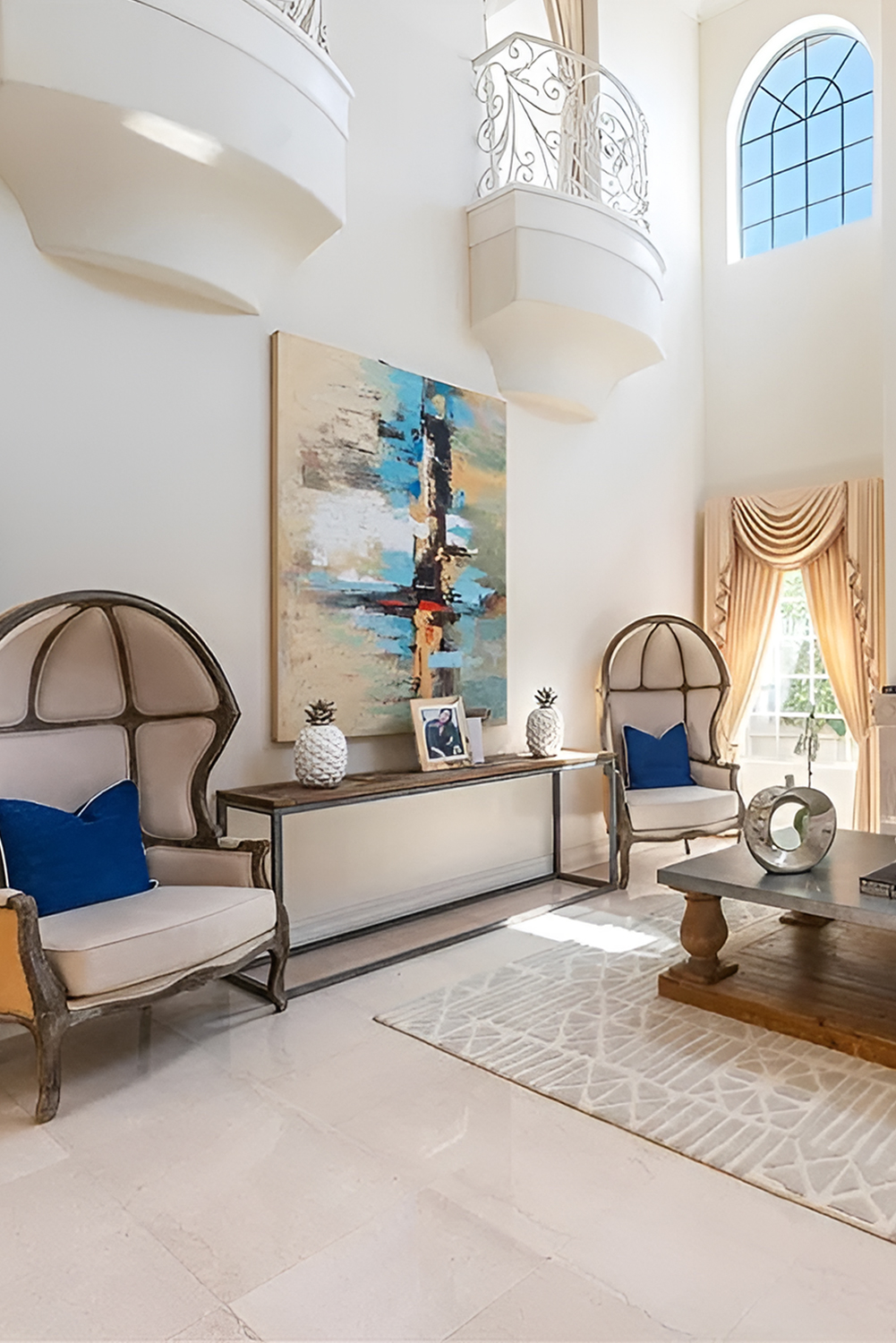
French chateau interiors favor gentle, lived-in colors. Walls and fabrics often wear shades pulled from nature:
- Cream, taupe, and soft gray
- Sage green, sky blue, and faded gold
- Warm white or pale pink
These colors keep rooms bright but never harsh.
Style cue:
Pick paint and fabric colors that feel faded, not flashy. Layer in pale blues, greens, or blush with neutral base tones for a soft, classic look.
5. Luxurious Yet Comfortable Fabrics
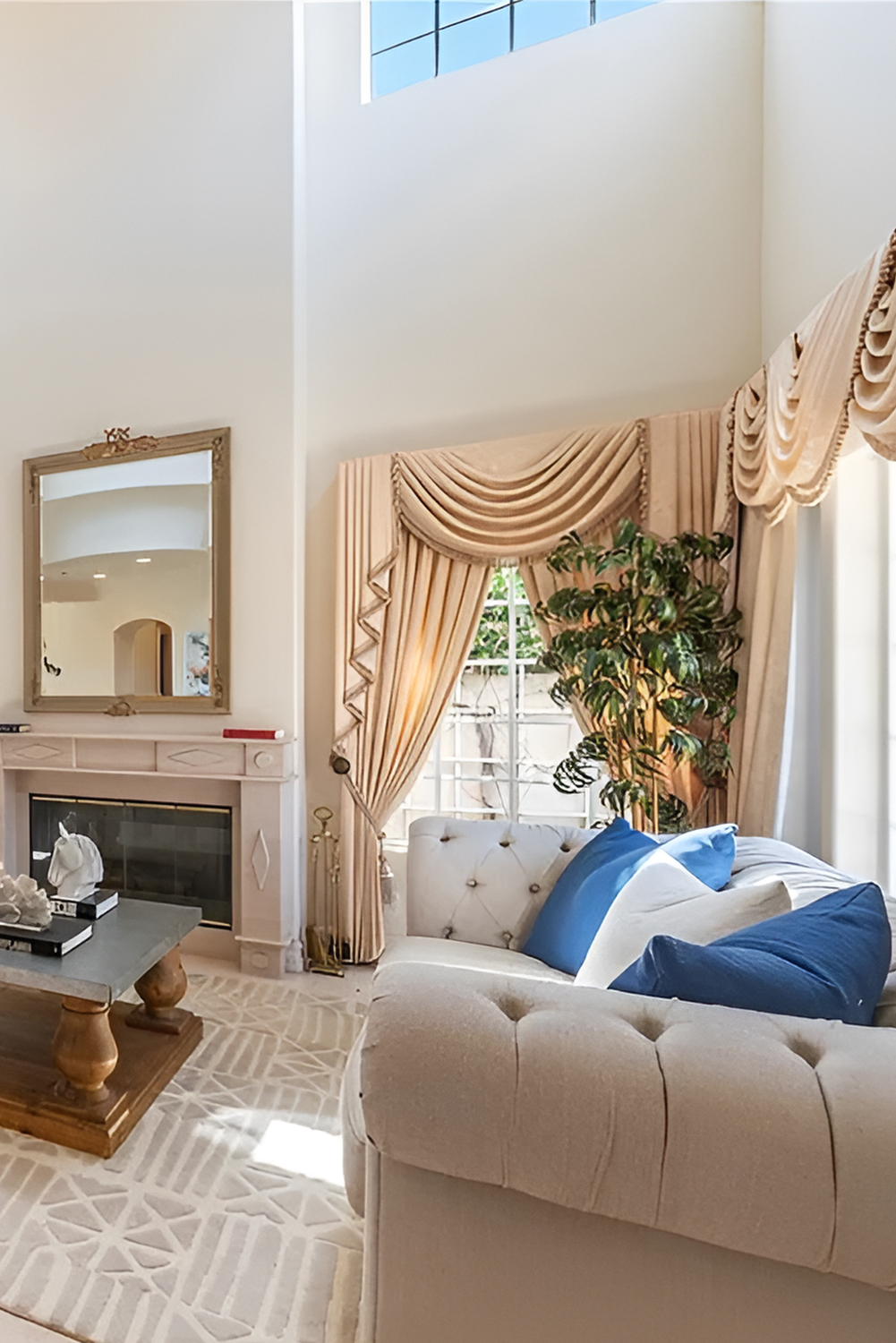
Chateau style is all about comfort with a touch of opulence. Fabrics are rich but never over-the-top.
- Upholstery: Velvets, damasks, and linens in muted shades.
- Curtains: Heavy silk or linen, puddling slightly on the floor.
- Accessories: Tapestries, embroidered pillows, and soft wool throws.
Style cue:
Drape a velvet throw over a chair, or pile linen pillows on the sofa. Mix in a floral or toile pattern for a French touch.
6. Antique and Vintage Furnishings
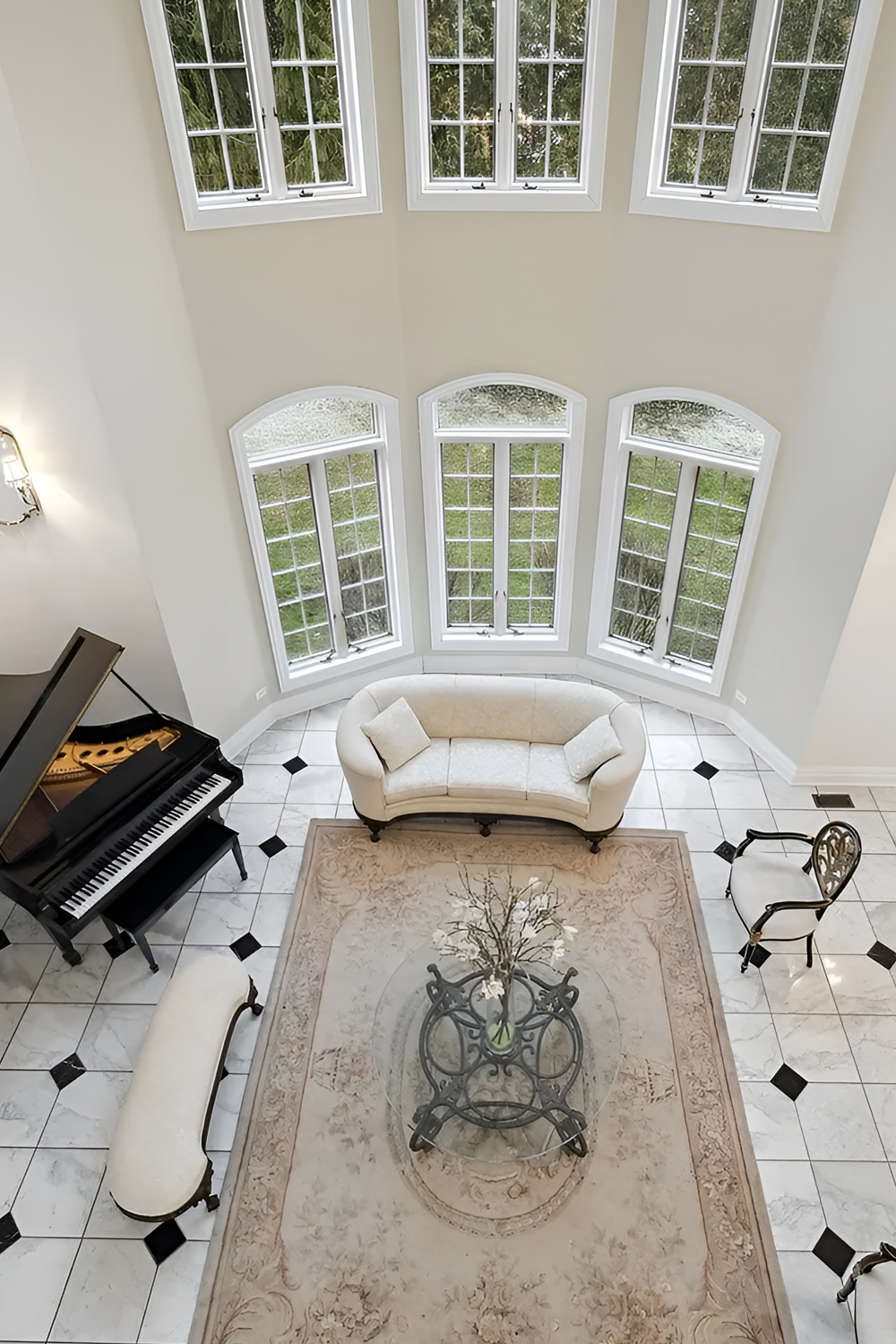
French chateaux blend pieces from many eras. You’ll find antiques beside newer items, all sharing a sense of quality and craftsmanship.
- Furniture: Curved legs, hand-carved details, and gently worn finishes.
- Seating: Upholstered armchairs, settees, and stools.
- Tables: Farmhouse dining tables, marble-topped side tables, and elegant desks.
Style cue:
Look for secondhand pieces with character. Don’t worry if finishes are imperfect—a little wear adds charm.
7. Statement Lighting
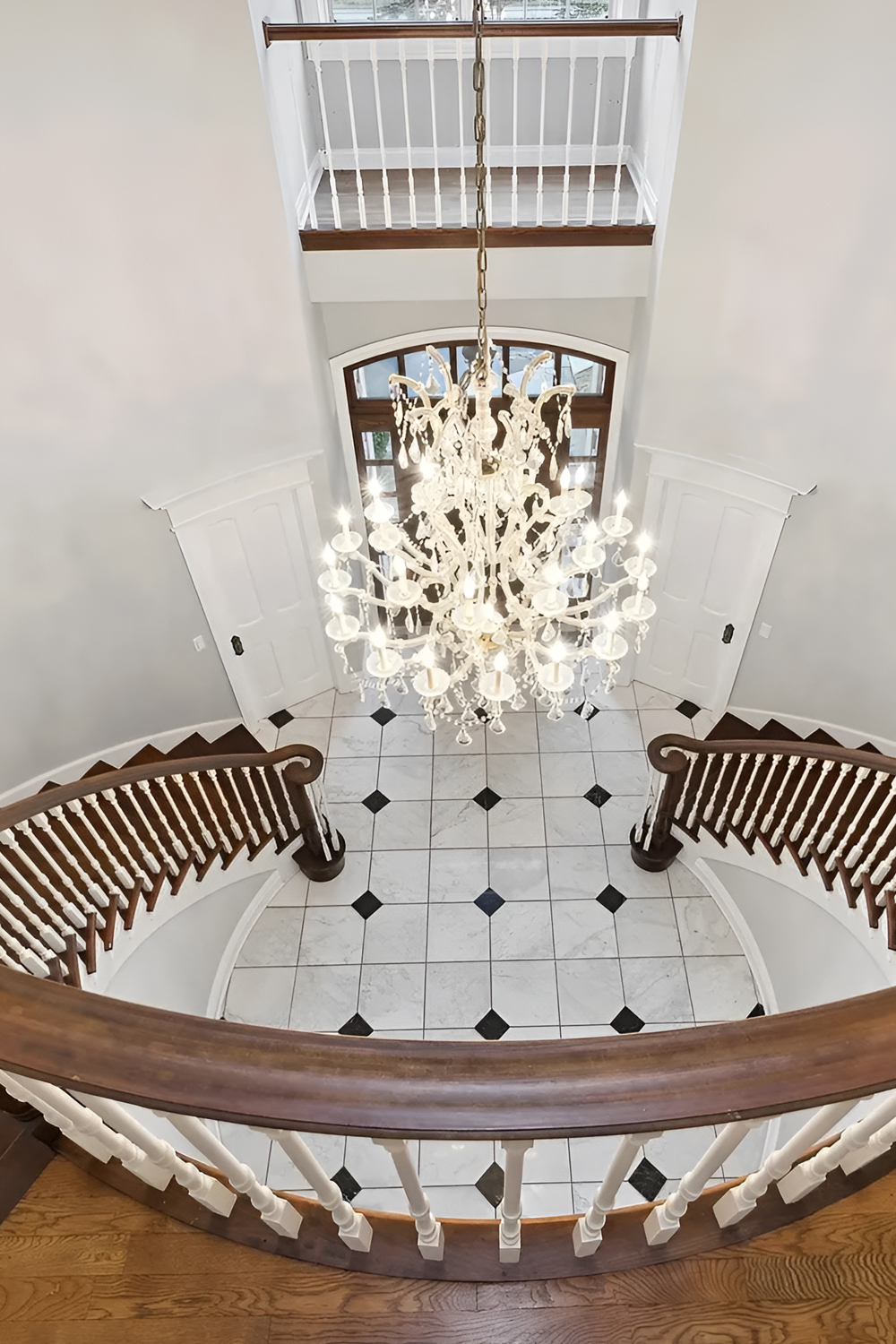
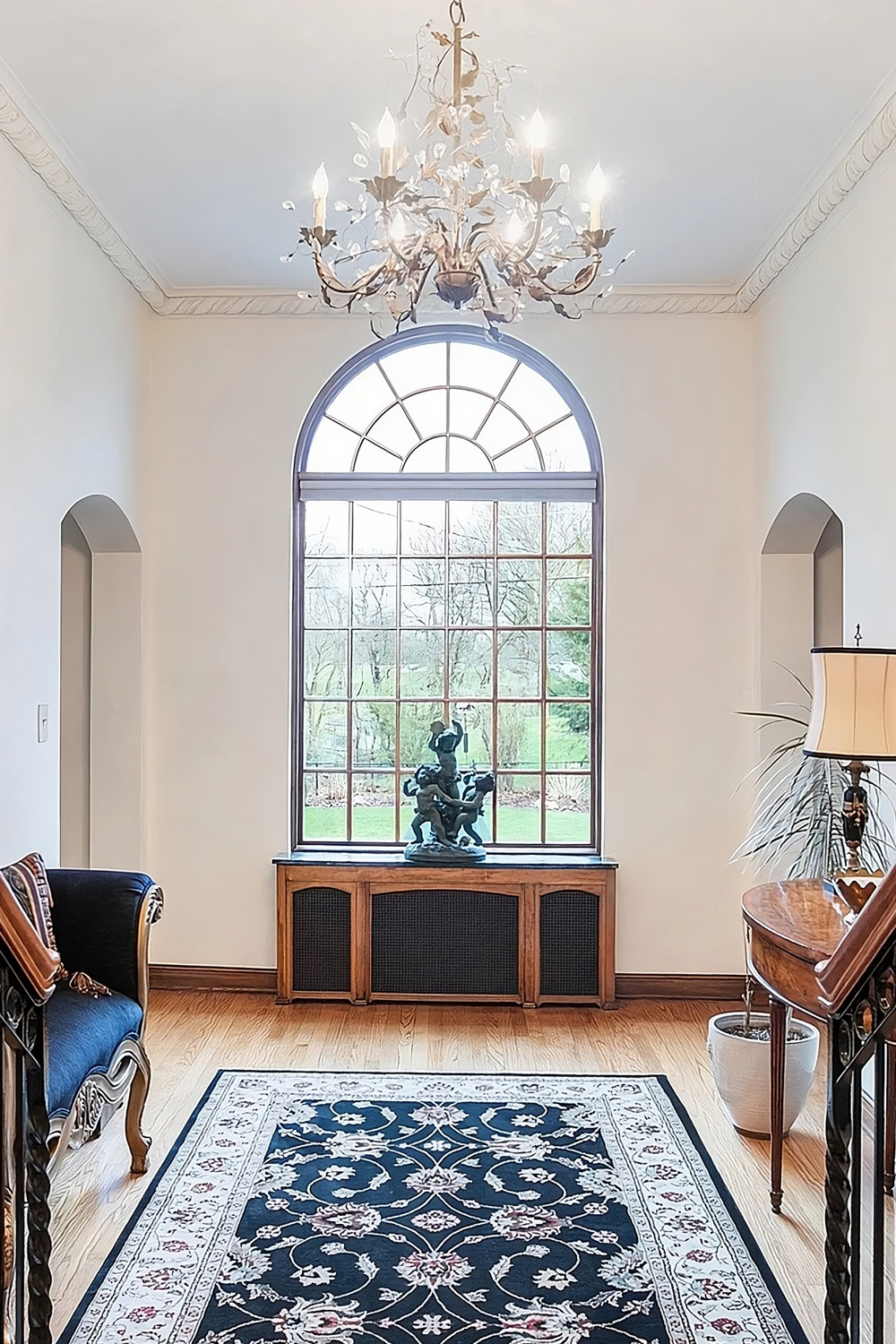
No French chateau is complete without a sparkling chandelier. Candle-style sconces, gilded lamps, and crystal pendants also play a role.
- Chandeliers: From petite to grand, often dripping with crystals or finished in antique brass.
- Sconces: Mounted on paneled walls or beside mirrors for a warm glow.
Style cue:
Hang a chandelier over your dining table or in the entryway. Even a small, vintage-inspired fixture brings instant elegance.
8. Art, Mirrors, and Decorative Objects
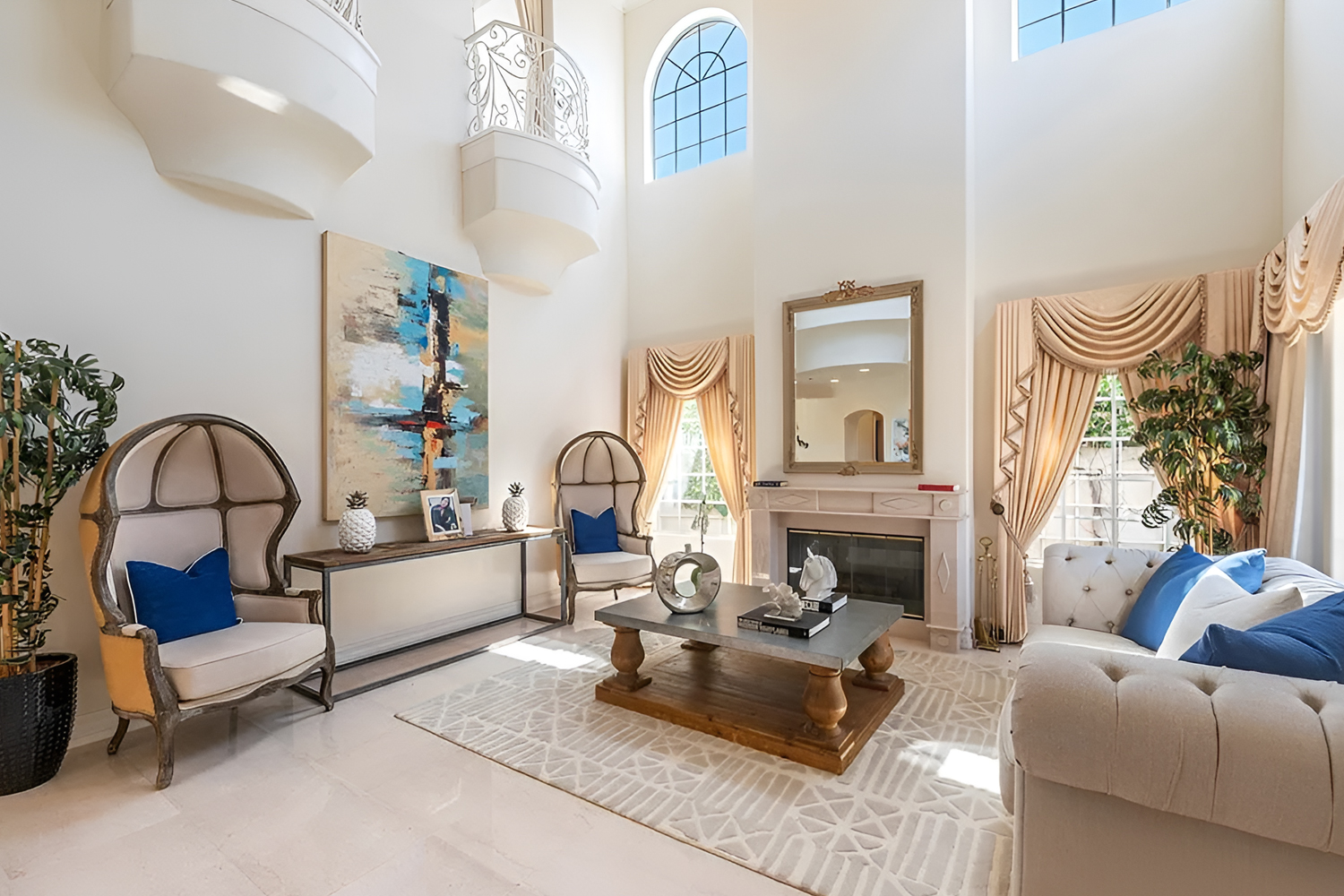
French chateau interiors layer art, mirrors, and collections. Each piece tells a story.
- Mirrors: Oversized and gilded, bouncing light around the room.
- Art: Oil paintings, landscapes, or classical portraits in ornate frames.
- Decor: Porcelain vases, bronze sculptures, old books, and candlesticks.
Style cue:
Hang a large mirror above your mantel, or group vintage frames on a wall. Arrange fresh flowers or stacked books on side tables.
French Chateau Interior Room-by-Room
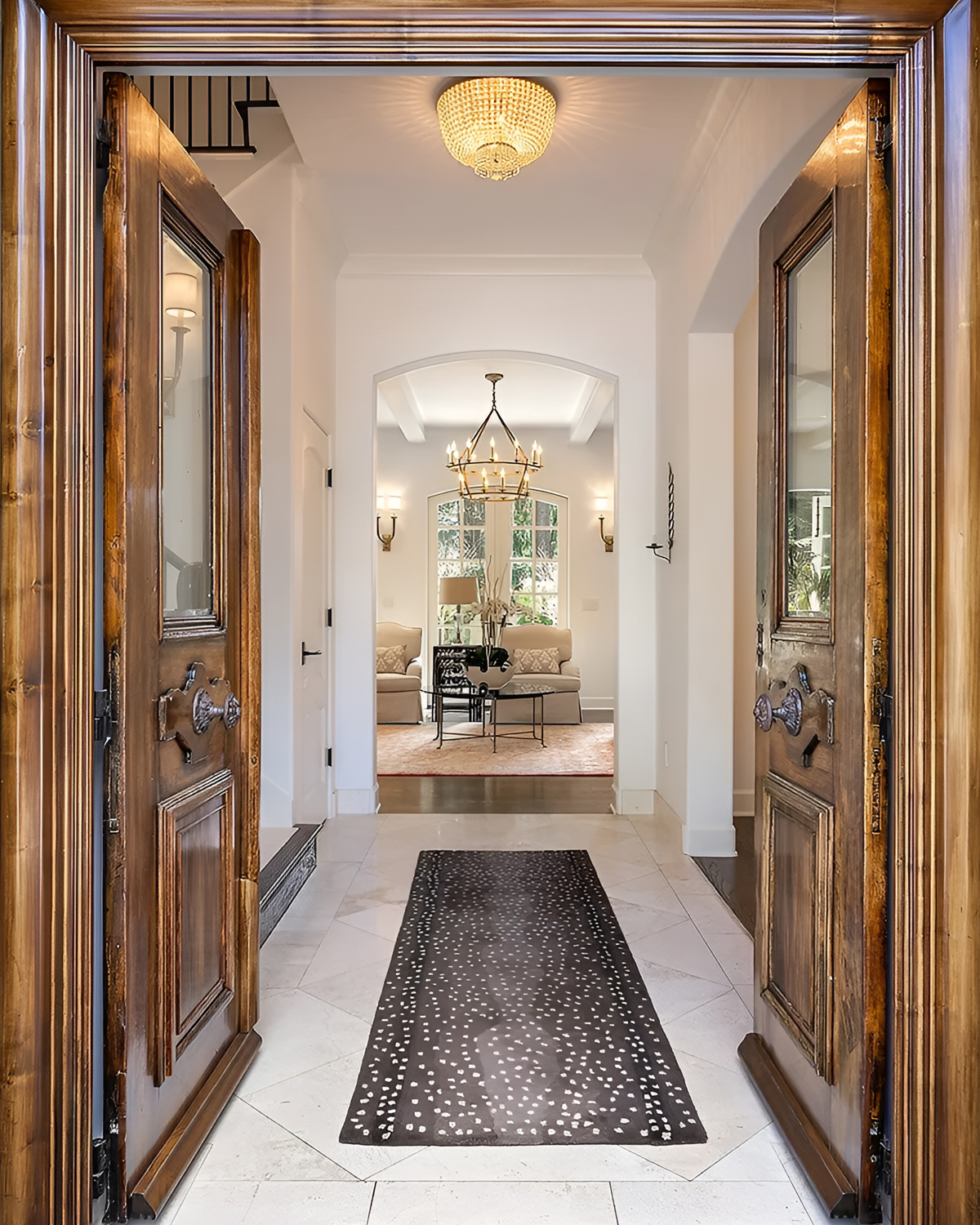
Grand Entryway
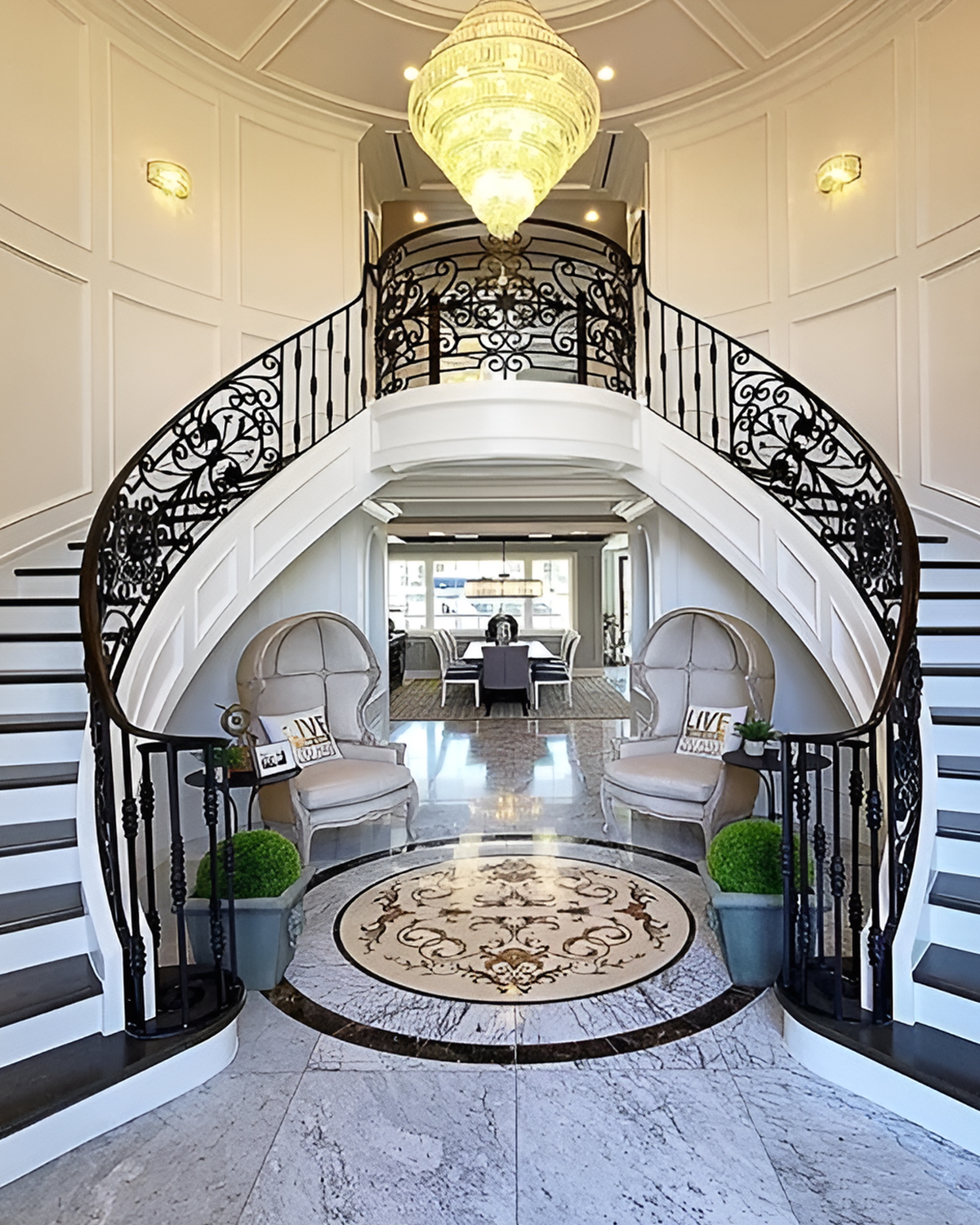
The entry sets the tone. Think soaring ceilings, a statement staircase, and a sparkling light fixture. Stone floors or intricate tile designs add instant drama. Often, you’ll find an antique console table topped with a floral arrangement.
Try This:
Create a welcoming entry with a bench, a table, and a vase of fresh-cut blooms. Add a mirror to reflect light and make the space feel larger.
Formal Living Room (Salon)
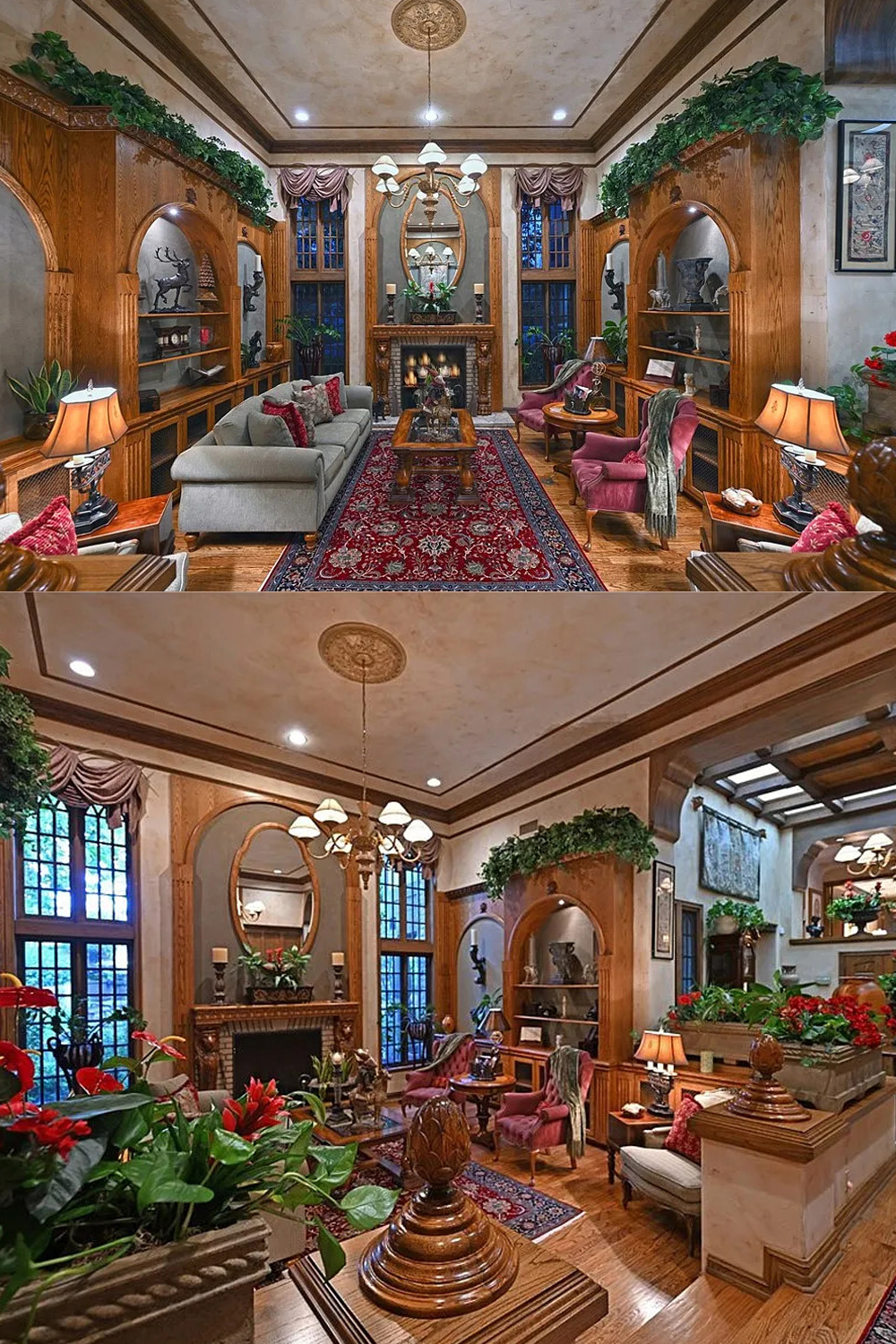
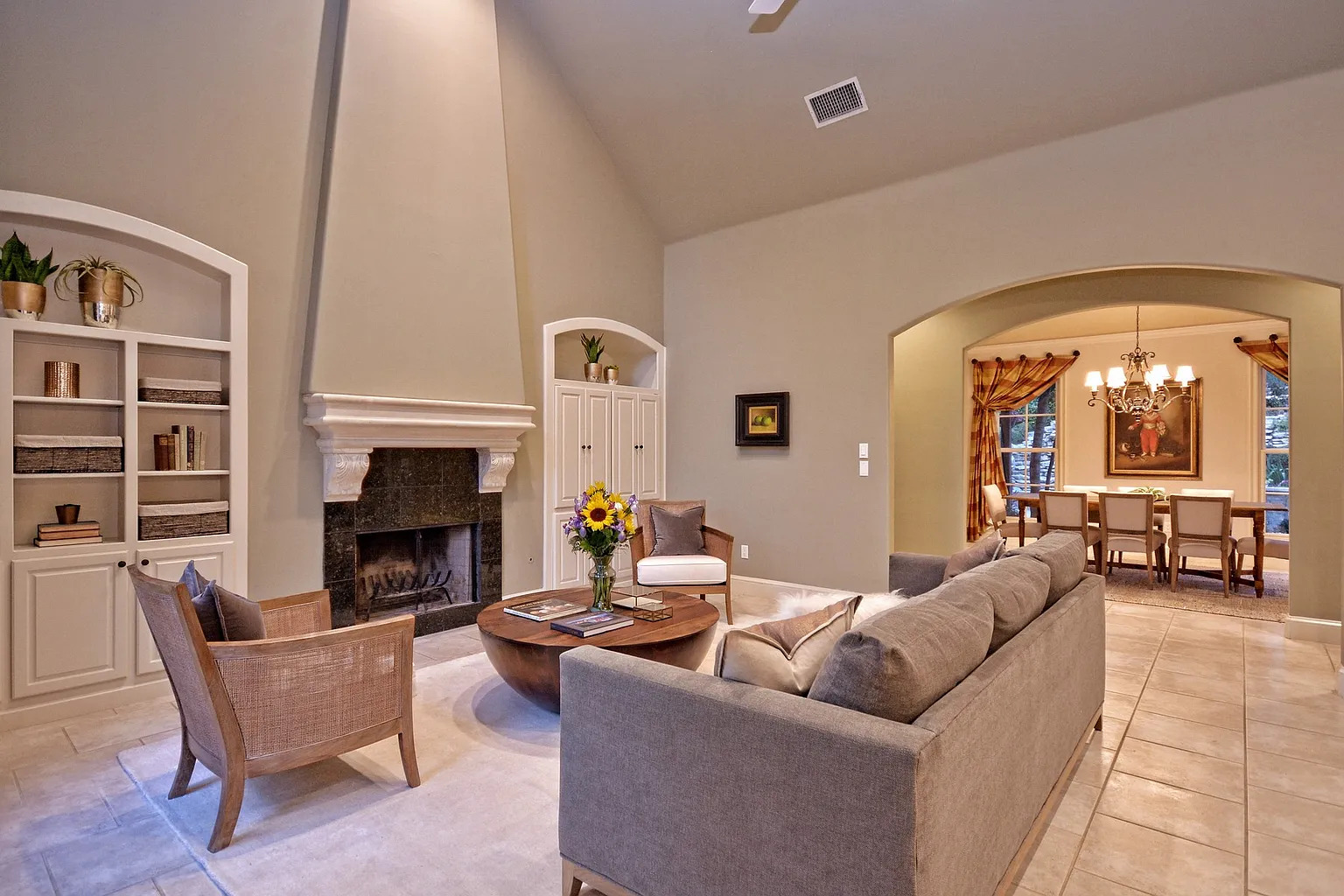
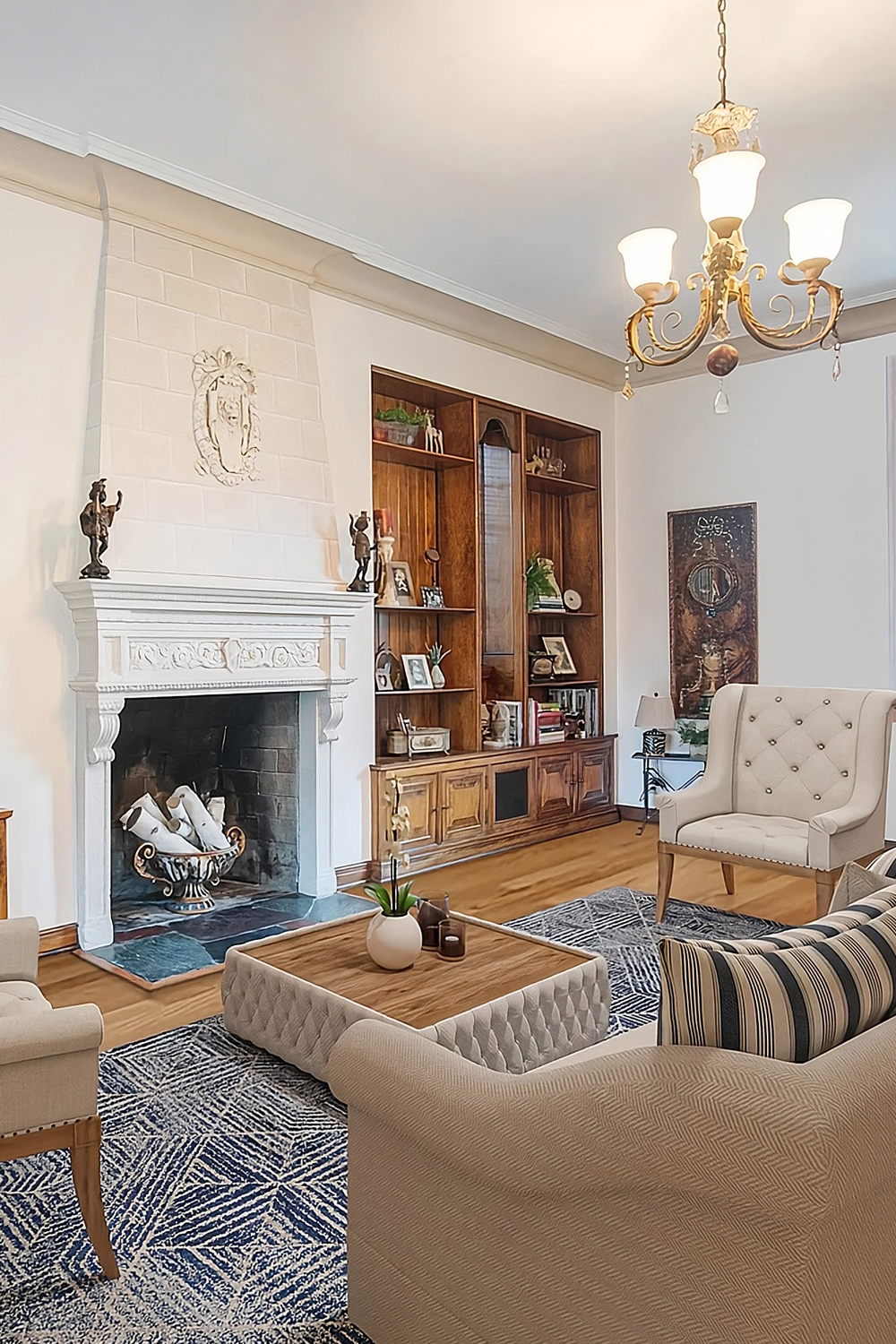
French chateau salons are made for conversation and relaxation. Furniture is arranged to encourage gathering, not just admiring. You’ll spot a grand fireplace, deep sofas, armchairs, and tables for books or drinks. Soft rugs add comfort underfoot.
Try This:
Group chairs and sofas close together to spark conversation. Add a few side tables and layered rugs for coziness.
Dining Room
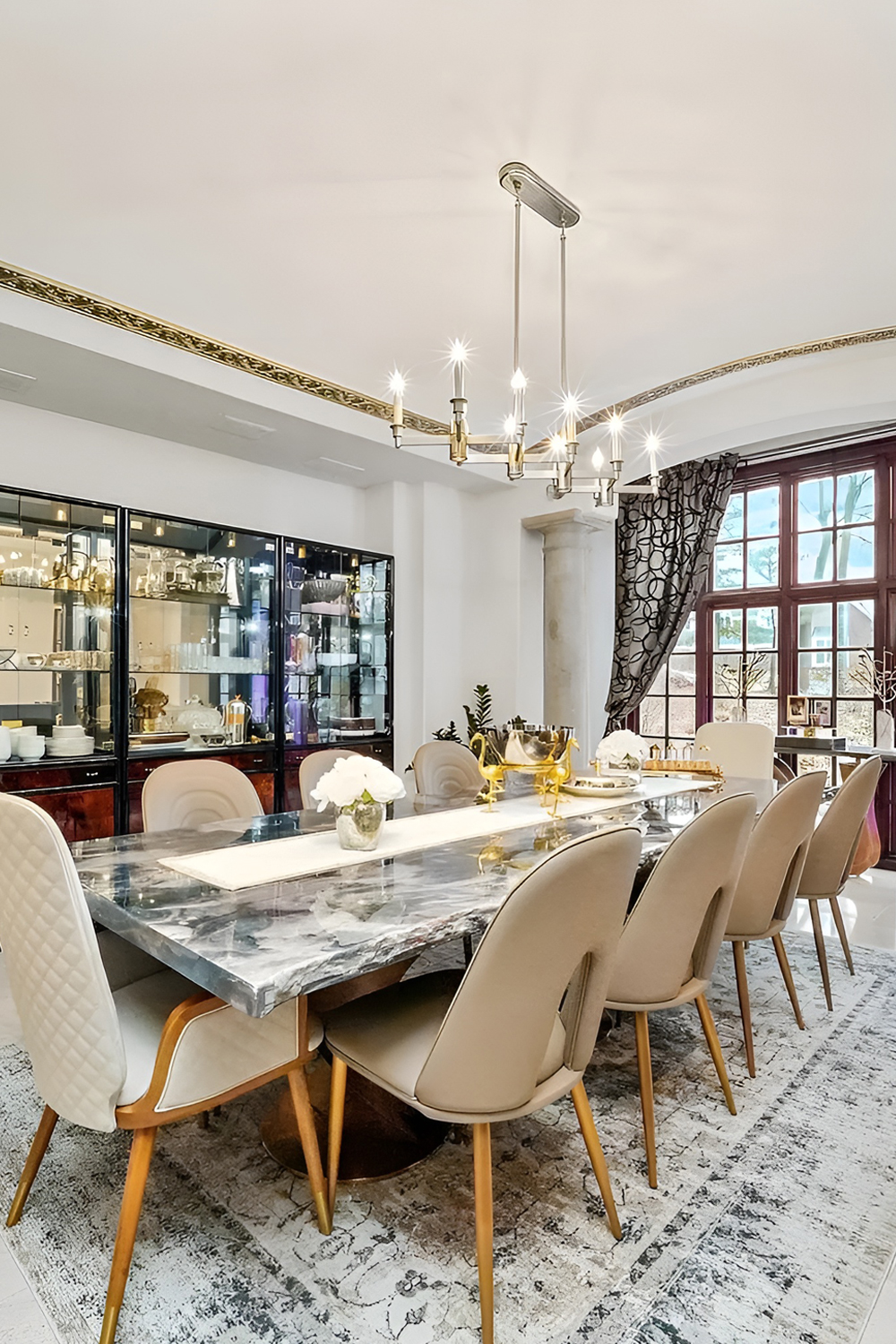
The dining room often holds a long table, ready for large family meals or elegant parties. Chairs might wear velvet or linen slipcovers. Crystal and silver shine under candlelight, and a buffet or hutch displays fine china.
Try This:
Use a long wooden table, mix-and-match chairs, and linen napkins. Hang a chandelier above and set out candles for evening glow.
Kitchen
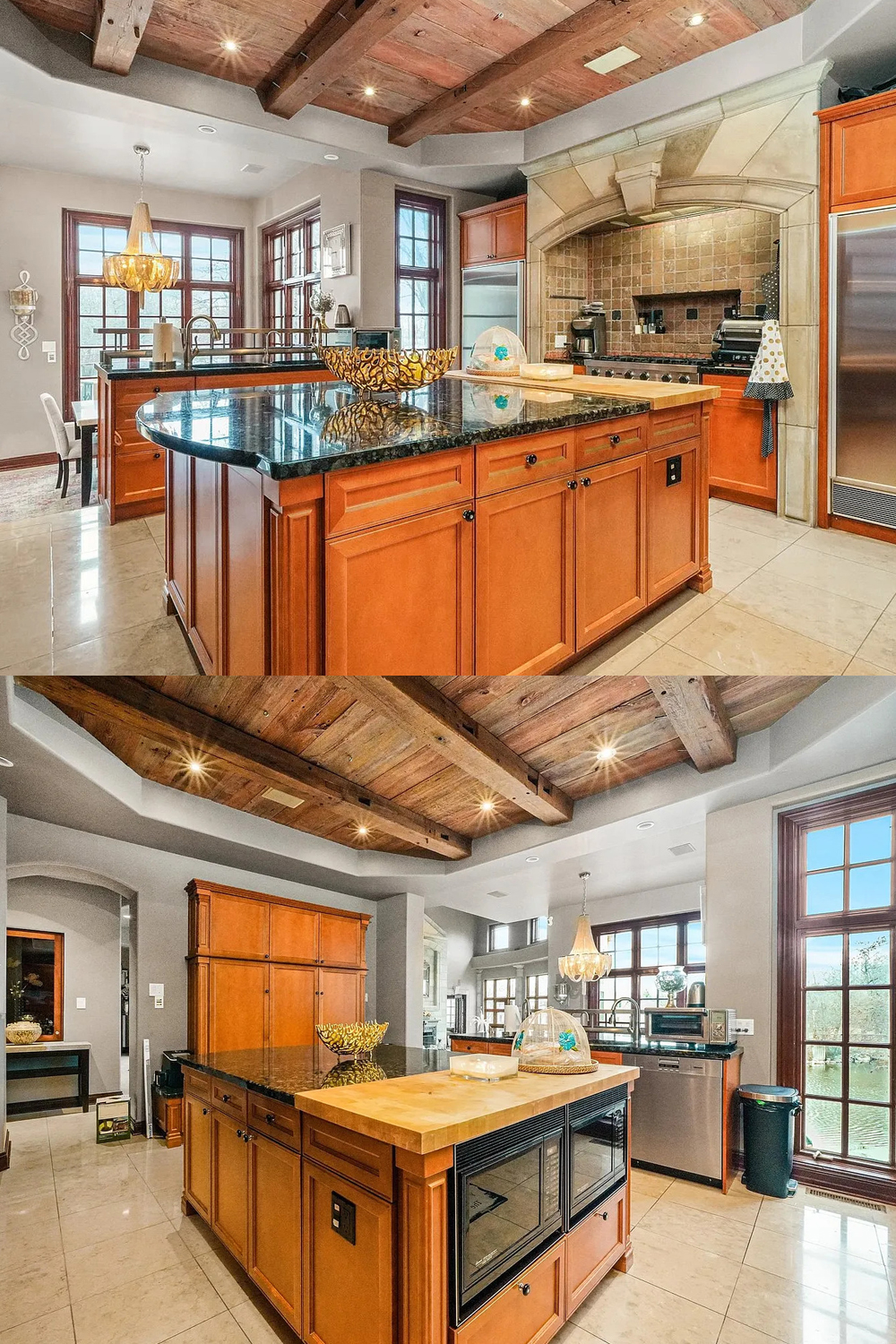
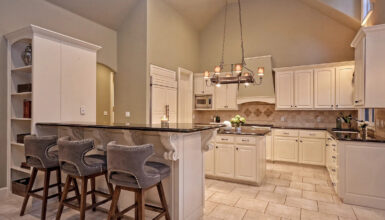
Kitchens in chateaux can be both grand and rustic. Stone floors, open shelving, and a big farmhouse sink stand out. Copper pots hang from racks, while glass-front cabinets show off pretty dishes.
Try This:
Add open shelves for dishes, display copper pans, or use a big bowl of fruit as a centerpiece.
Bedrooms
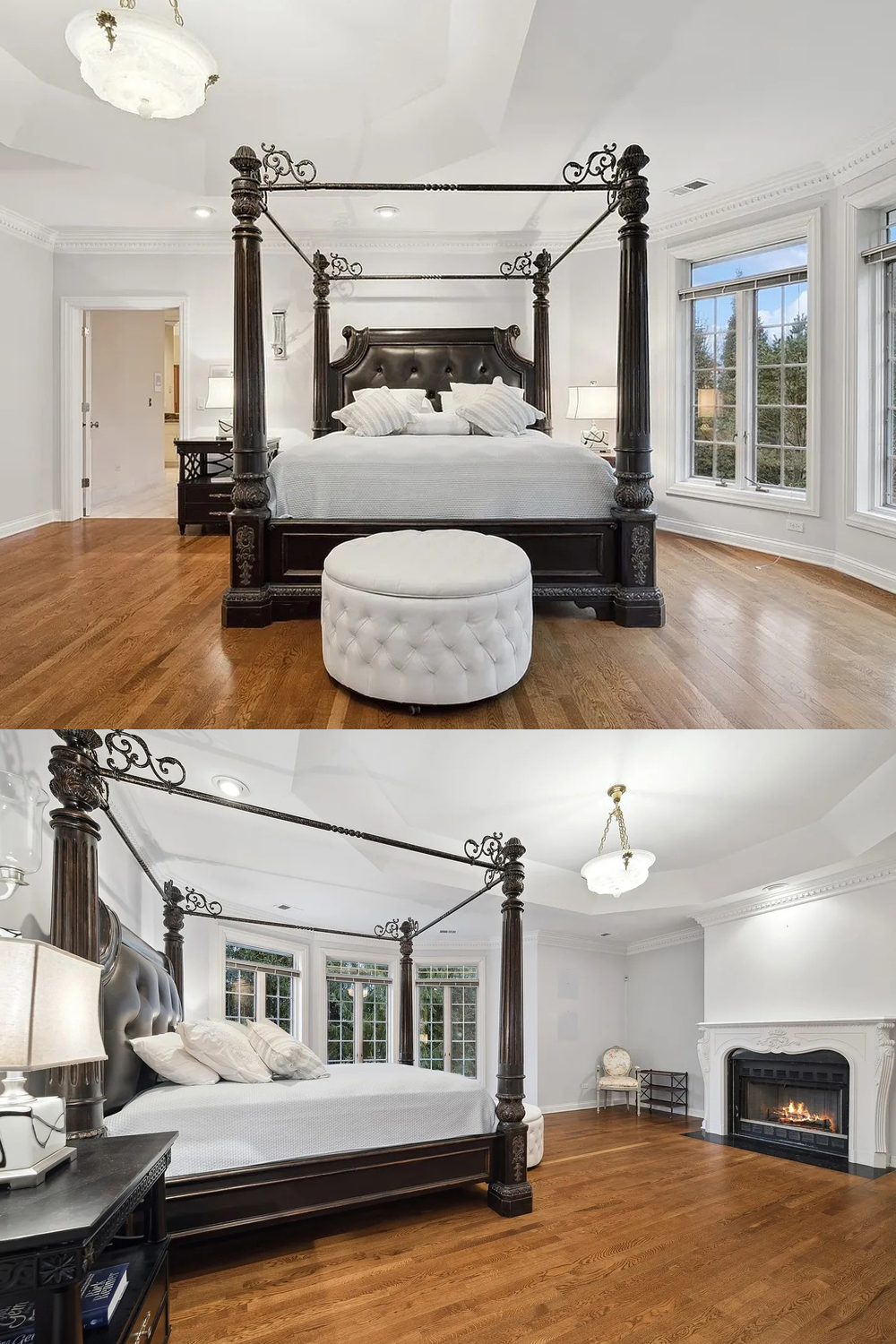
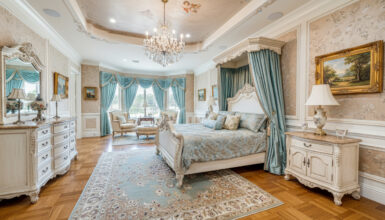
Chateau bedrooms are havens of softness and calm. Canopy beds or headboards upholstered in linen feel luxurious. Layers of bedding, plump pillows, and blackout curtains make sleep inviting. Walls might wear a gentle shade of blue, cream, or dove gray.
Try This:
Choose light bedding, pile on the pillows, and hang curtains floor-to-ceiling. Add a small chair and side table for reading.
Bathroom
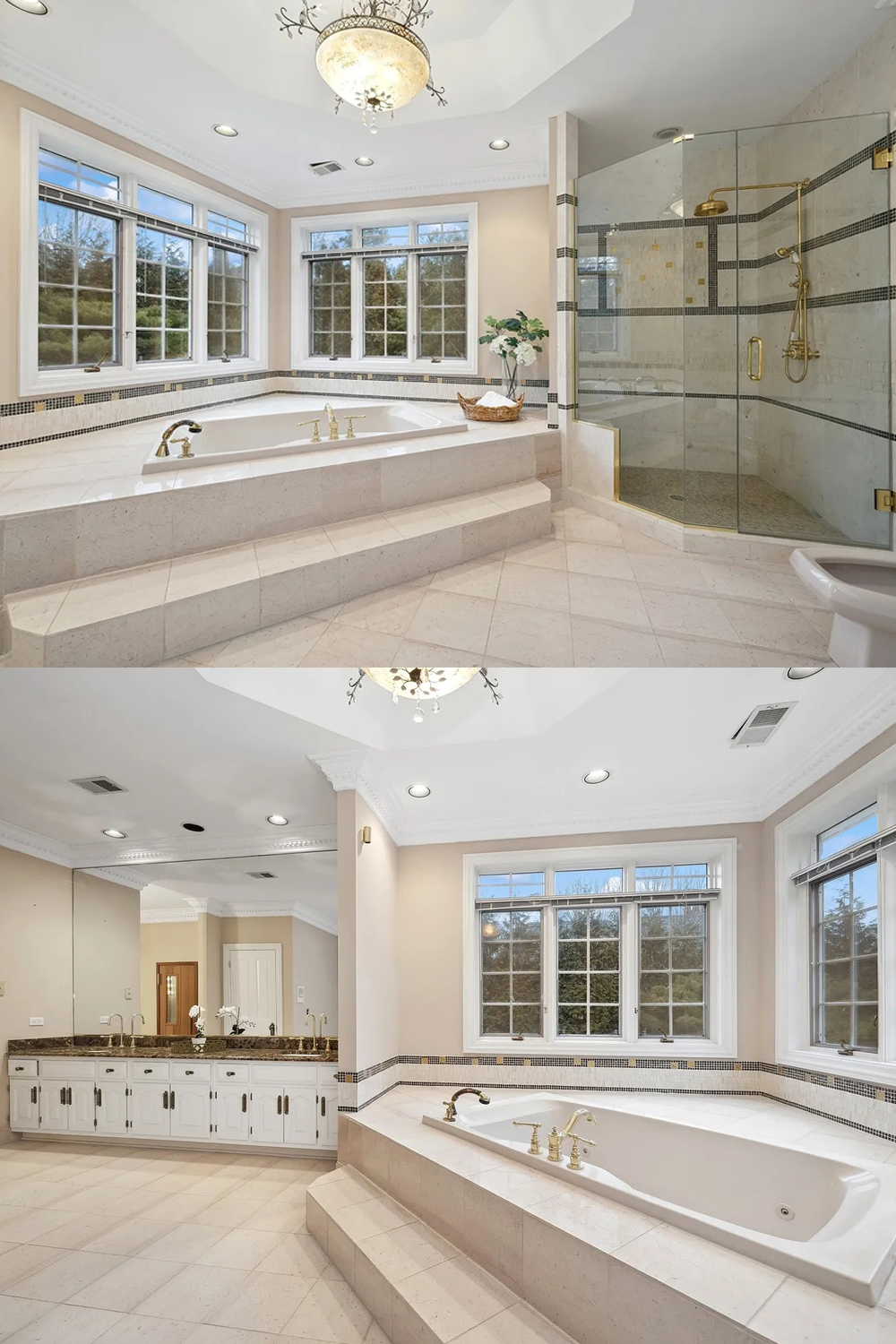
Even bathrooms in French chateaux show off style. You’ll see freestanding tubs, marble sinks, and antique mirrors. Subtle tile patterns and brass fixtures feel elegant but not overdone.
Try This:
Add a gilded mirror, a vintage stool, or a plush towel to bring a little chateau charm to your bath.
How to Bring French Chateau Style Home
You don’t need a castle in the Loire Valley to enjoy this look. Here are simple, high-impact ways to add French chateau magic anywhere:
- Layer Old and New: Mix vintage finds with modern pieces. That contrast is part of the charm.
- Choose a Soft Palette: Paint walls and ceilings in gentle colors—think creamy white, taupe, or muted blue.
- Add One Statement Piece: A chandelier, antique mirror, or carved armoire can transform a space.
- Use Natural Materials: Wood, stone, and linen make every room feel grounded and real.
- Display Collections: Group similar items—like candlesticks, books, or pottery—for visual interest.
- Keep It Comfortable: No room should feel too precious to use. Soft rugs, deep chairs, and cozy throws invite you in.
The Enduring Allure of French Chateau Style
French chateau interiors never go out of fashion because they celebrate the best of every era—historic bones, graceful details, and everyday comfort. Whether you live in a cottage, a condo, or a new build, you can borrow from this timeless style. Remember, it’s all about creating a space that feels rich in stories, welcoming, and beautiful in every light.
So next time you see a picture of a grand French home, look a little closer. Notice the mix of stone, wood, and velvet. The play of soft color and shimmering light. The way each room feels ready for laughter, music, or quiet moments by the fire. That’s the magic of the French chateau—classic, comfortable, and always inspiring.
Now it’s your turn. Step into the world of French chateau style and let your own space tell its story—with a dash of elegance, a touch of history, and a whole lot of heart.