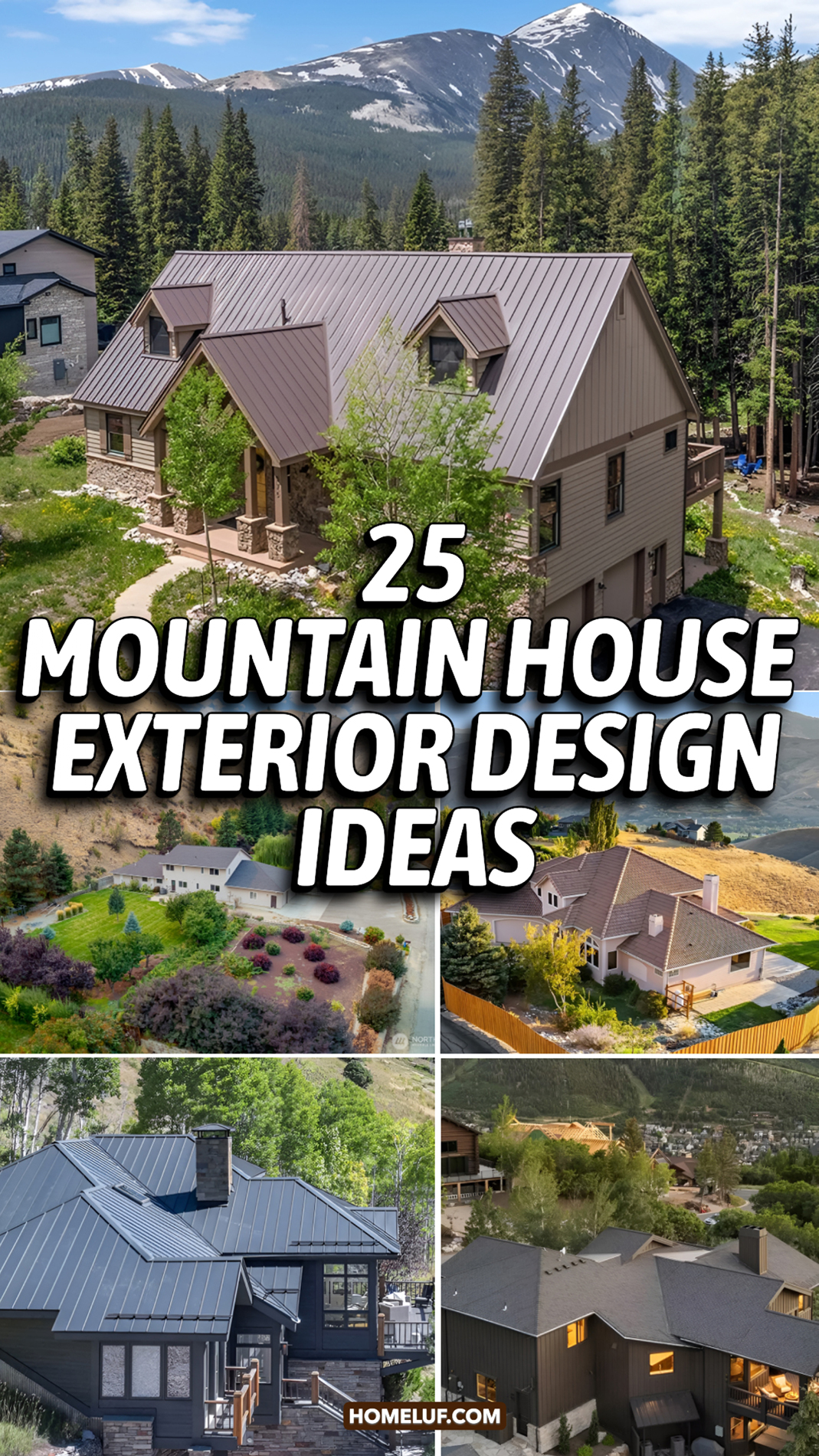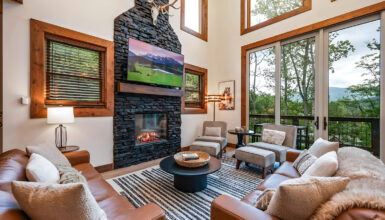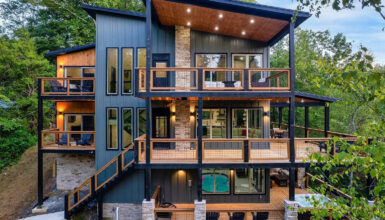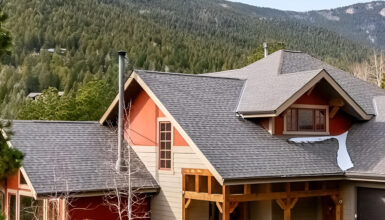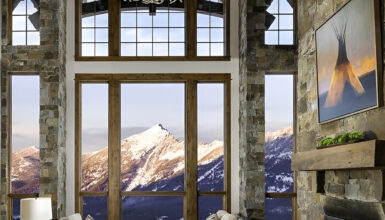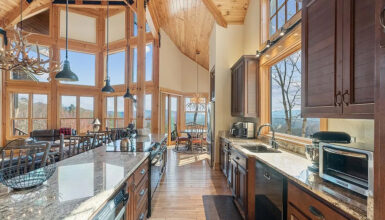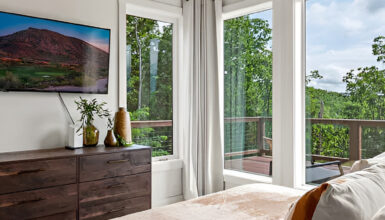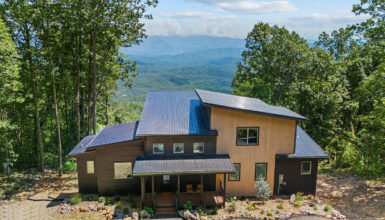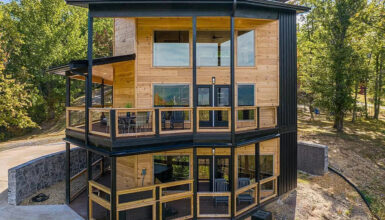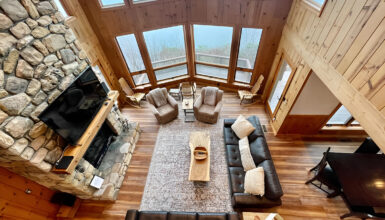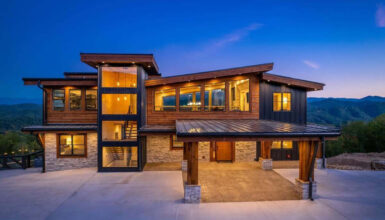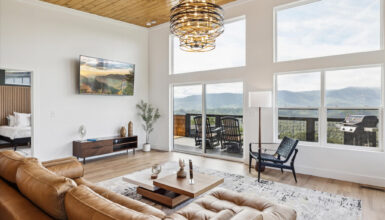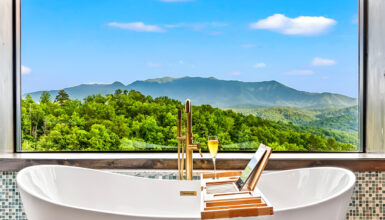
There is something so special about a mountain home exterior. It can feel rugged, cozy, elegant, and inviting all at once. The best designs do more than look beautiful from the road. They connect with the landscape, highlight natural materials, and create that warm retreat feeling people love. From stone chimneys and timber beams to dark roofs, big windows, and inviting porches, these mountain home exterior ideas are full of details worth borrowing.
1. Mix Natural Stone With Warm Wood Siding
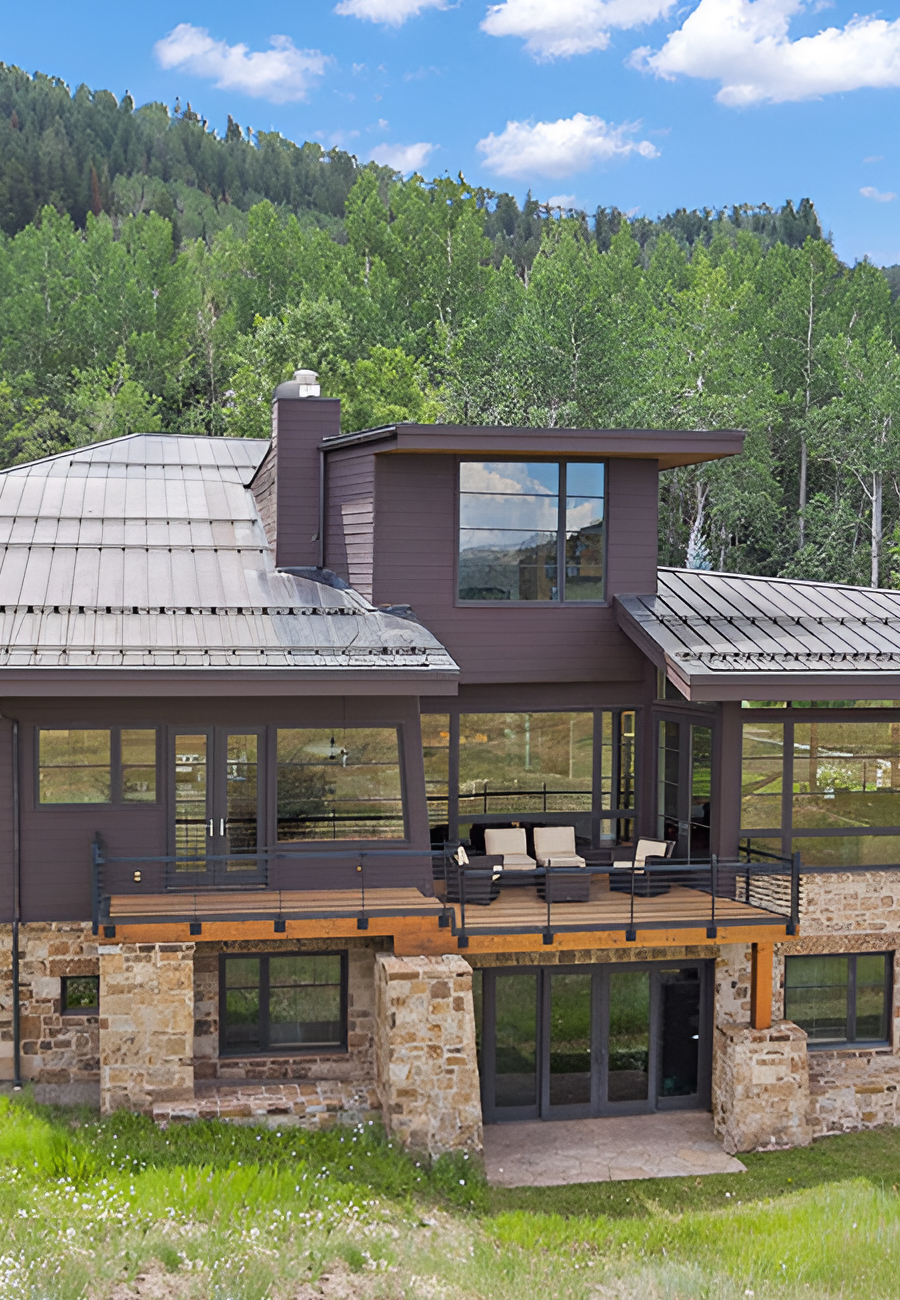
This is one of the most classic mountain home exterior ideas for a reason. Stone and wood look beautiful together. They create contrast, texture, and a sense of age that feels perfect in a mountain setting.
Stone gives the house weight. It makes the home feel rooted and strong. Wood, on the other hand, softens that look. It brings warmth and color. Together, the two materials create balance. The result feels rugged, cozy, and rich without looking overdone.
You can use stone on the lower half of the house, around columns, on chimneys, or at the entry. Then use wood siding, timber cladding, or wood-look materials above it. This layered approach helps the exterior feel more detailed and more natural.
For the best look, choose stone in earthy colors. Think gray, taupe, brown, or soft charcoal. Then pair it with wood in honey, walnut, cedar, or weathered brown tones. Avoid finishes that look too orange or too shiny. Mountain homes usually look best when the materials feel quiet and organic.
This idea works especially well if you want a home that feels classic and timeless.
2. Add a Deep Covered Porch for Year-Round Use
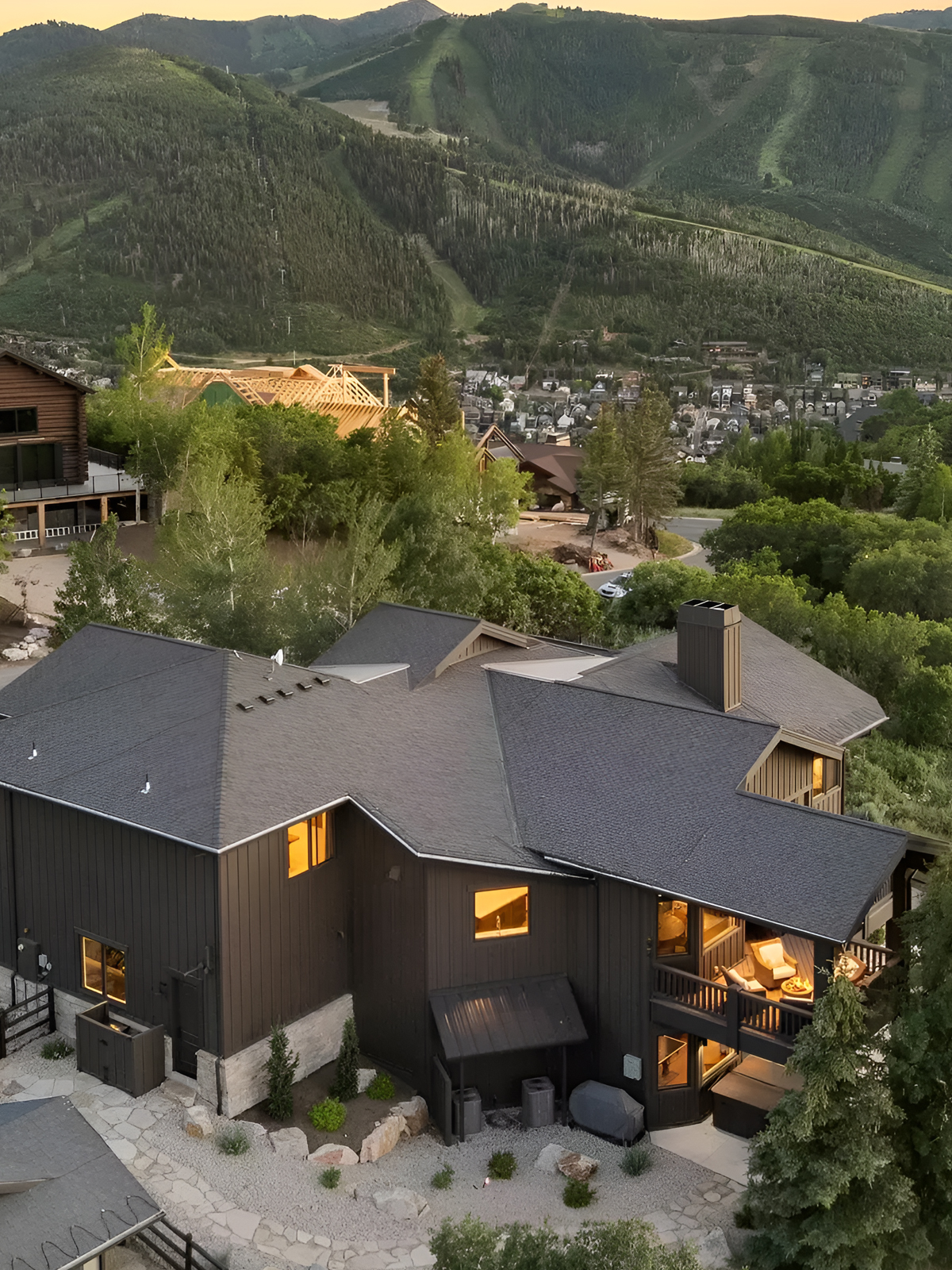
A mountain home porch is not just a pretty feature. It is part of the lifestyle. It gives you a place to sit outside, enjoy the view, and stay protected from snow, rain, or strong sun.
Deep covered porches also make a home feel more welcoming. They create shadow lines across the front of the house, which adds depth and charm. Plus, they help large homes feel more relaxed and less formal.
For a true mountain look, use chunky wood posts or timber beams instead of thin columns. A wood ceiling can make the porch feel even warmer. Stone bases on the columns add extra texture and tie the whole exterior together.
You can keep the porch simple with a few rocking chairs, or make it feel like an outdoor living room with a sofa, lantern-style lighting, and layered textiles. The key is to make it feel like a natural extension of the home.
If you want your mountain exterior to feel cozy and lived-in, this is a smart place to start.
3. Choose a Dark Roof for Strong Contrast
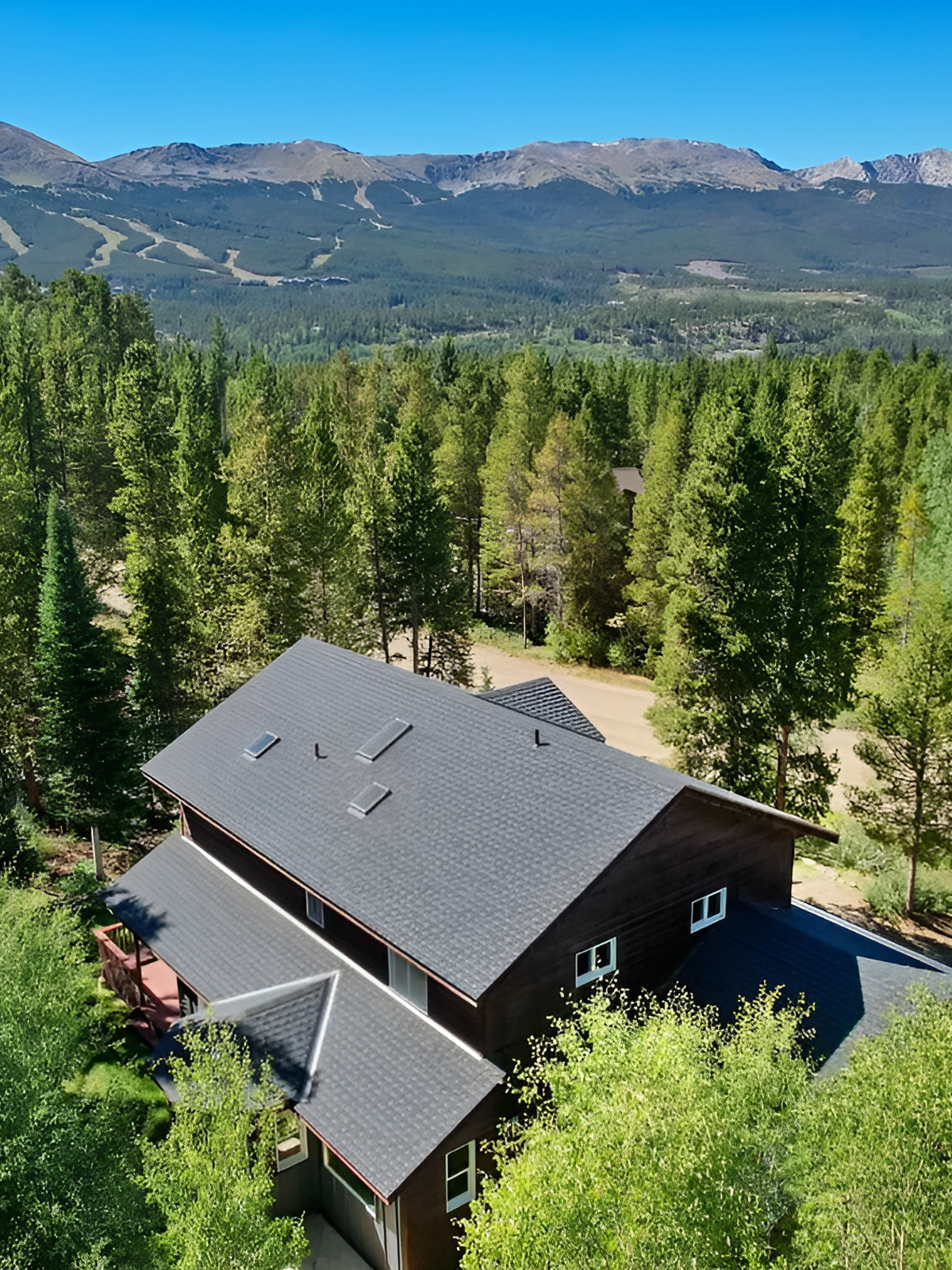
A dark roof can completely change the look of a mountain home. It frames the house, adds contrast, and gives the exterior a grounded feel that works beautifully against trees, rock, and snow.
Black, charcoal, deep bronze, and dark brown are all strong choices. These shades pair well with wood siding, stone veneers, and painted trim. They also help the house feel more dramatic without needing extra decoration.
Metal roofs are especially popular for mountain homes. They look crisp and clean, and they fit both rustic and modern styles. Standing seam metal roofing, in particular, has a sleek, tailored look that helps the home feel more current.
Even so, dark shingles can work well too, especially if you want a softer or more traditional look. What matters most is the contrast. A dark roof can make warm wood tones pop and help pale stone feel richer.
This simple choice adds strength to the whole exterior.
4. Use Large Windows to Frame the View
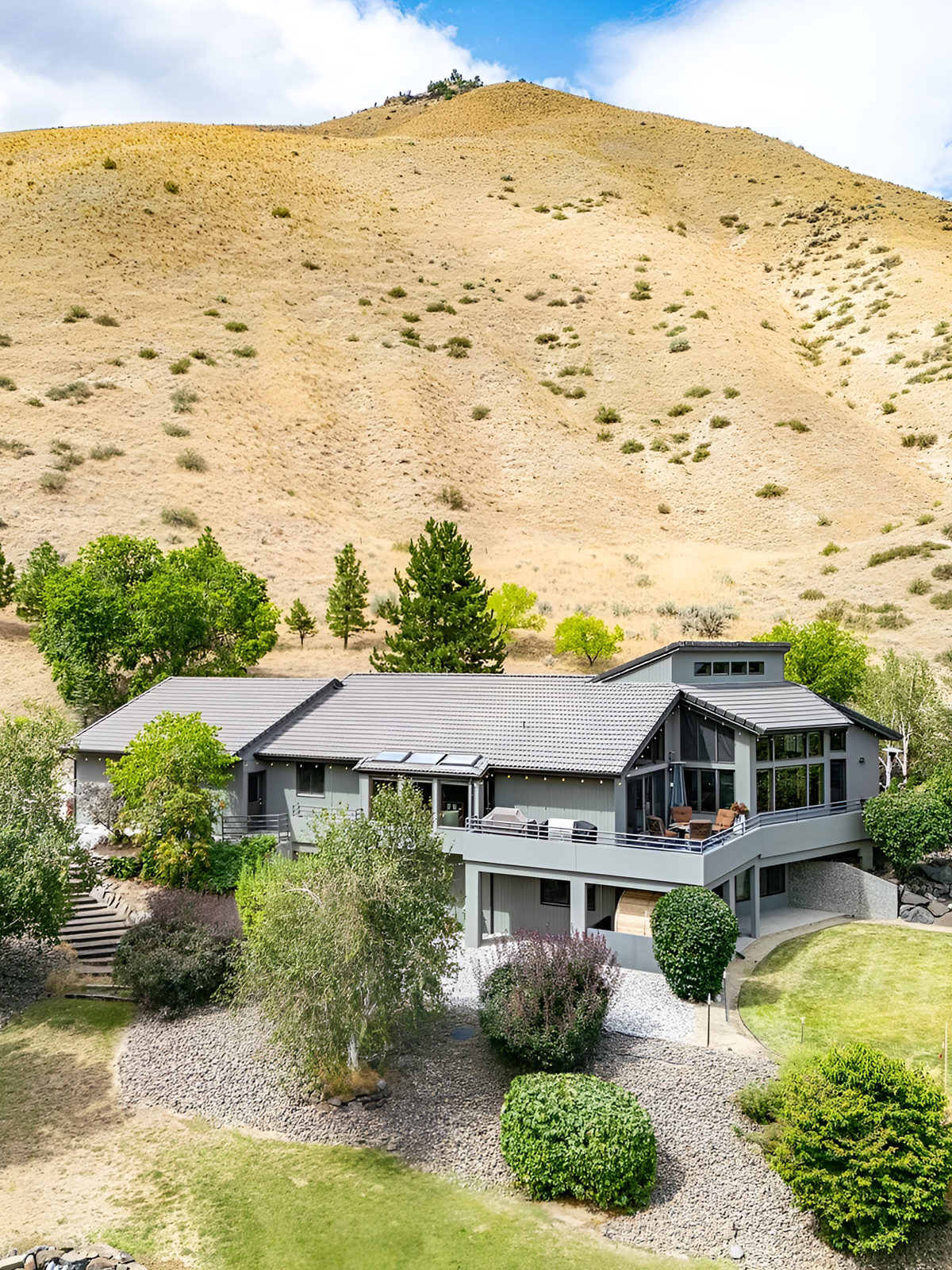
One of the best parts of mountain living is the scenery. So why hide it?
Large windows make a mountain home feel open, bright, and connected to nature. From the outside, they also add rhythm and drama to the facade. Tall panes of glass can break up heavy materials like stone and wood, which keeps the house from feeling too dark or bulky.
Picture a front elevation with wide windows under a peaked roof. It instantly feels more striking. It also hints at the beautiful views waiting inside.
Black window frames are a favorite for this style because they define the glass and give the home a crisp, modern edge. Wood-trimmed windows, however, can create a softer and more traditional feel.
If privacy is not a major issue, go big in areas where the home faces the landscape. Use grouped windows, transoms, or even floor-to-ceiling glass in key areas. Just make sure the scale fits the house. Oversized windows should feel intentional, not random.
In mountain design, light and view are part of the decor. Let the exterior show that.
5. Highlight the Entry With Rustic Timber Details
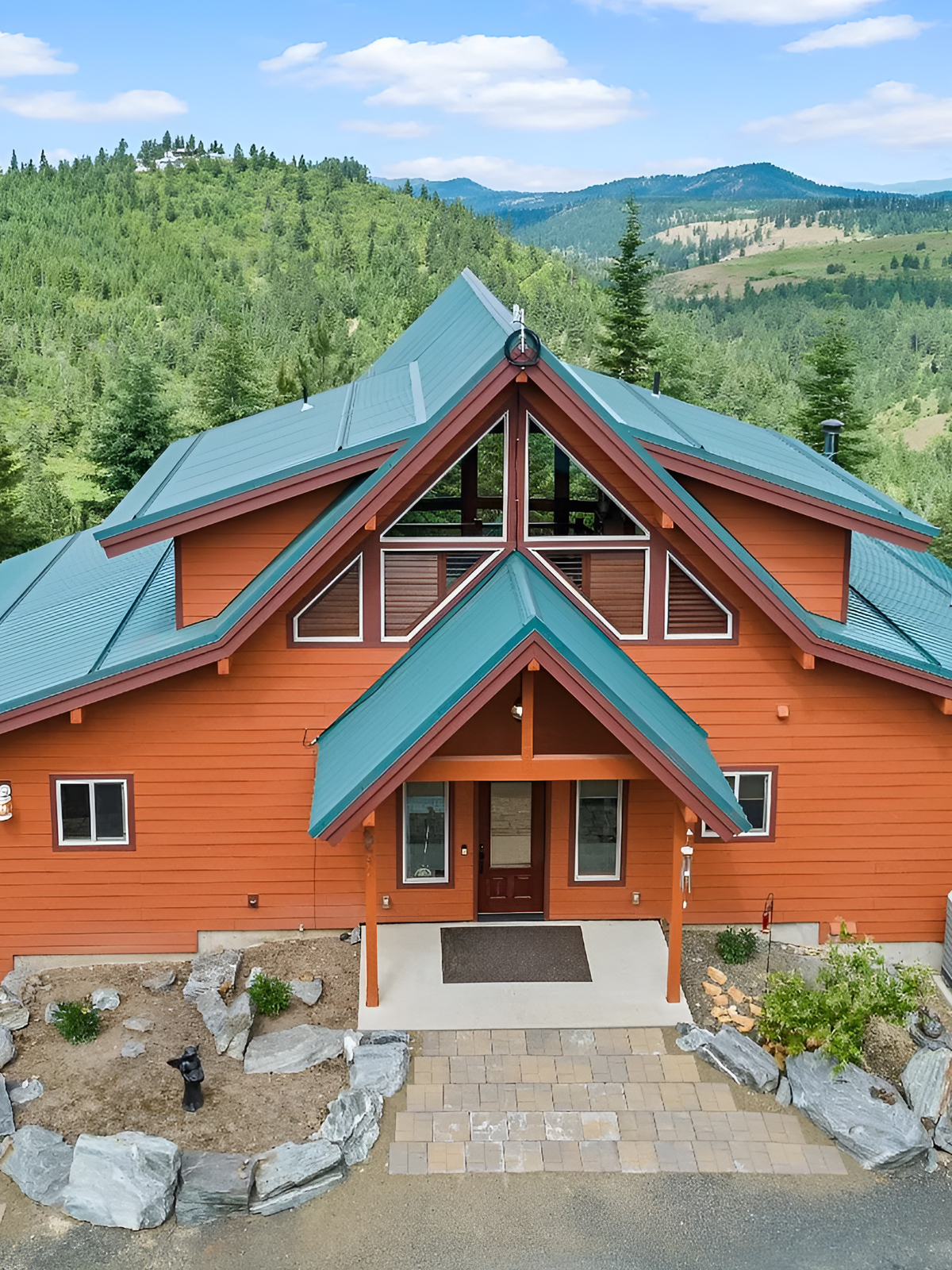
The front door area sets the tone for the whole house. In a mountain home, this is a great place to lean into strong, natural materials.
Rustic timber details around the entry can make even a simple house feel special. Think exposed beams, thick brackets, wood trusses, or a timber-framed portico over the front door. These details add character fast.
They also help the entrance stand out, which is especially helpful on larger homes where the front door can get lost among wide rooflines and big walls.
You do not need to overdo it. One handsome timber beam over the porch or a simple gabled entry cover can have a big impact. The goal is to create a sense of shelter and warmth.
Pair those details with a solid wood front door, dark hardware, and warm exterior lights. The space will feel welcoming before anyone even steps inside.
6. Go for Layered Rooflines
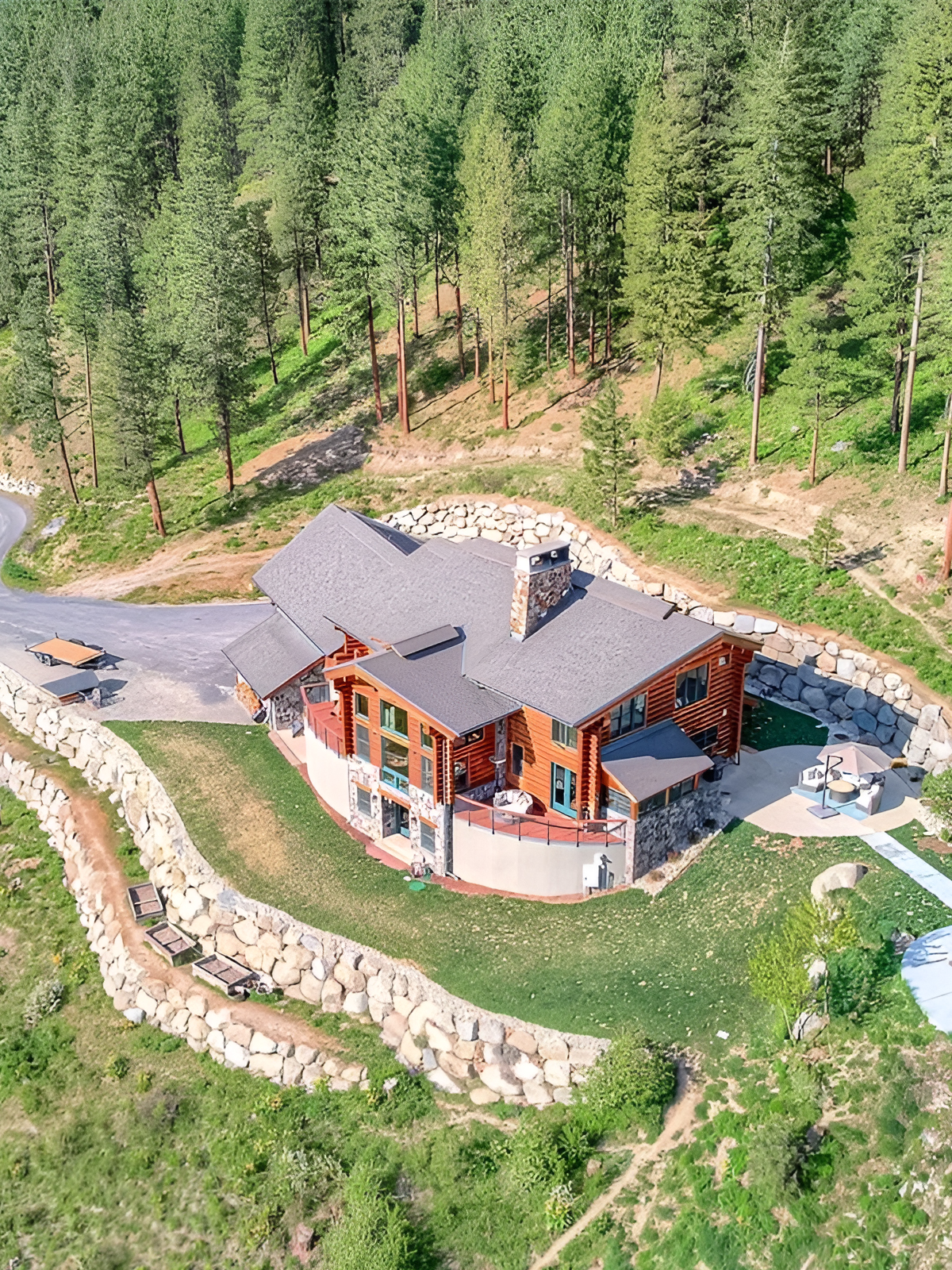
Mountain homes often look best when the roofline has depth and movement. A single flat front can feel plain. Layered rooflines, however, make the home feel richer and more architectural.
This could mean a mix of gables, dormers, shed roofs, or extended overhangs. These changes in height and shape create a more dynamic silhouette. They also help large homes feel broken into smaller, more charming parts.
Layered rooflines work especially well in mountain settings because they echo the uneven shapes found in nature. The exterior feels less boxy and more organic.
They also create opportunities for detail. A front-facing gable can highlight a large window wall. A shed roof over a porch can define an outdoor living area. Dormers can add charm and help the house feel more cottage-like or lodge-inspired.
Even on a simpler home, thoughtful roof design can make a huge difference.
7. Try Board and Batten for a Cleaner Mountain Look
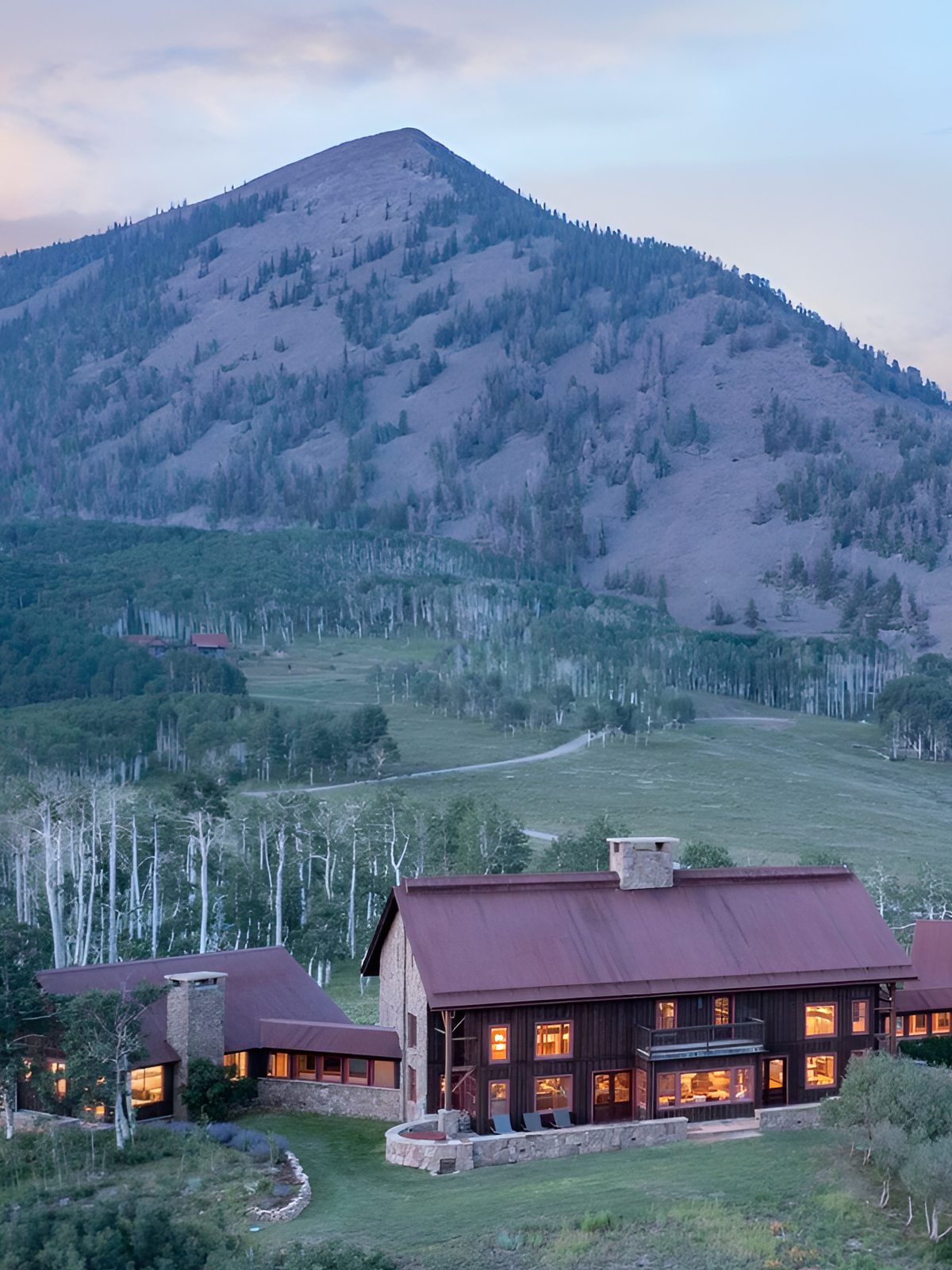
Not every mountain home needs to feel heavily rustic. Some of the prettiest ones feel clean, bright, and modern while still staying warm and natural. That is where board and batten siding comes in.
Board and batten has a vertical pattern that helps the home look taller and more tailored. It feels crisp, but it still has texture. In a mountain setting, it works beautifully when paired with stone, wood beams, or dark trim.
This siding style is especially good for modern mountain homes. It gives the house a simpler surface, which allows the windows, roofline, and materials to stand out more clearly.
Soft white, greige, smoky green, charcoal, and earthy brown all work well here. Then add contrast with black-framed windows or stained wood accents.
If you want a mountain exterior that feels fresh and current, this is a strong option.
8. Let the Chimney Become a Focal Point
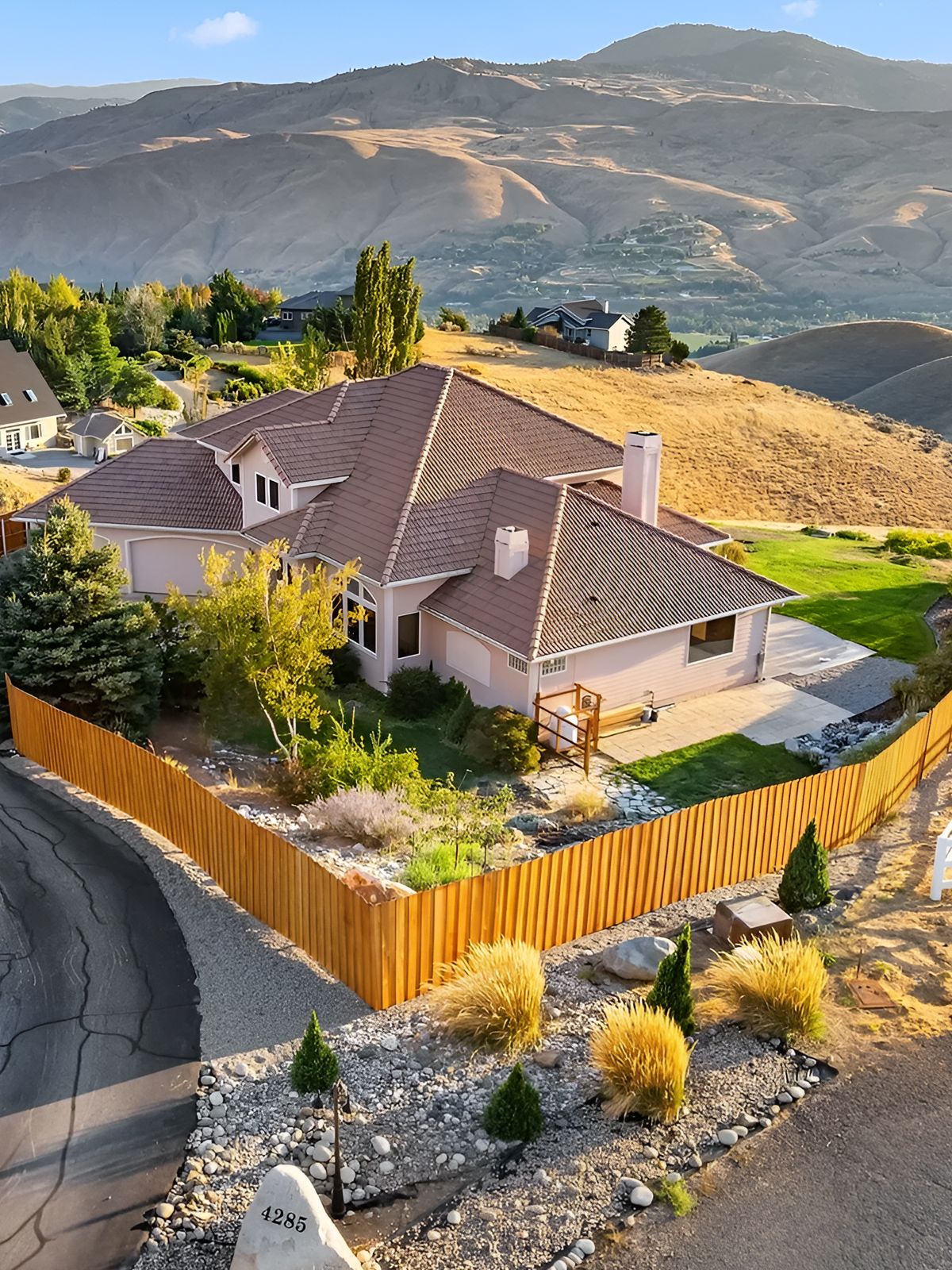
A large chimney feels right at home on a mountain house. It adds vertical presence and gives the home that cozy lodge-like character people love.
Stone chimneys work especially well because they bring in another layer of texture. From the outside, they make the house feel solid and substantial. They also create a visual anchor, especially on homes with wide porches and long rooflines.
A chimney can sit at the center of the facade or rise up one side of the house. Either way, it often becomes one of the most memorable parts of the exterior.
For extra charm, continue the same stone used on the chimney onto porch columns, retaining walls, or foundation details. That repetition makes the design feel more connected.
Even if the fireplace inside is modern, the exterior chimney can still feel timeless and warm.
9. Use Earth-Toned Paint Colors
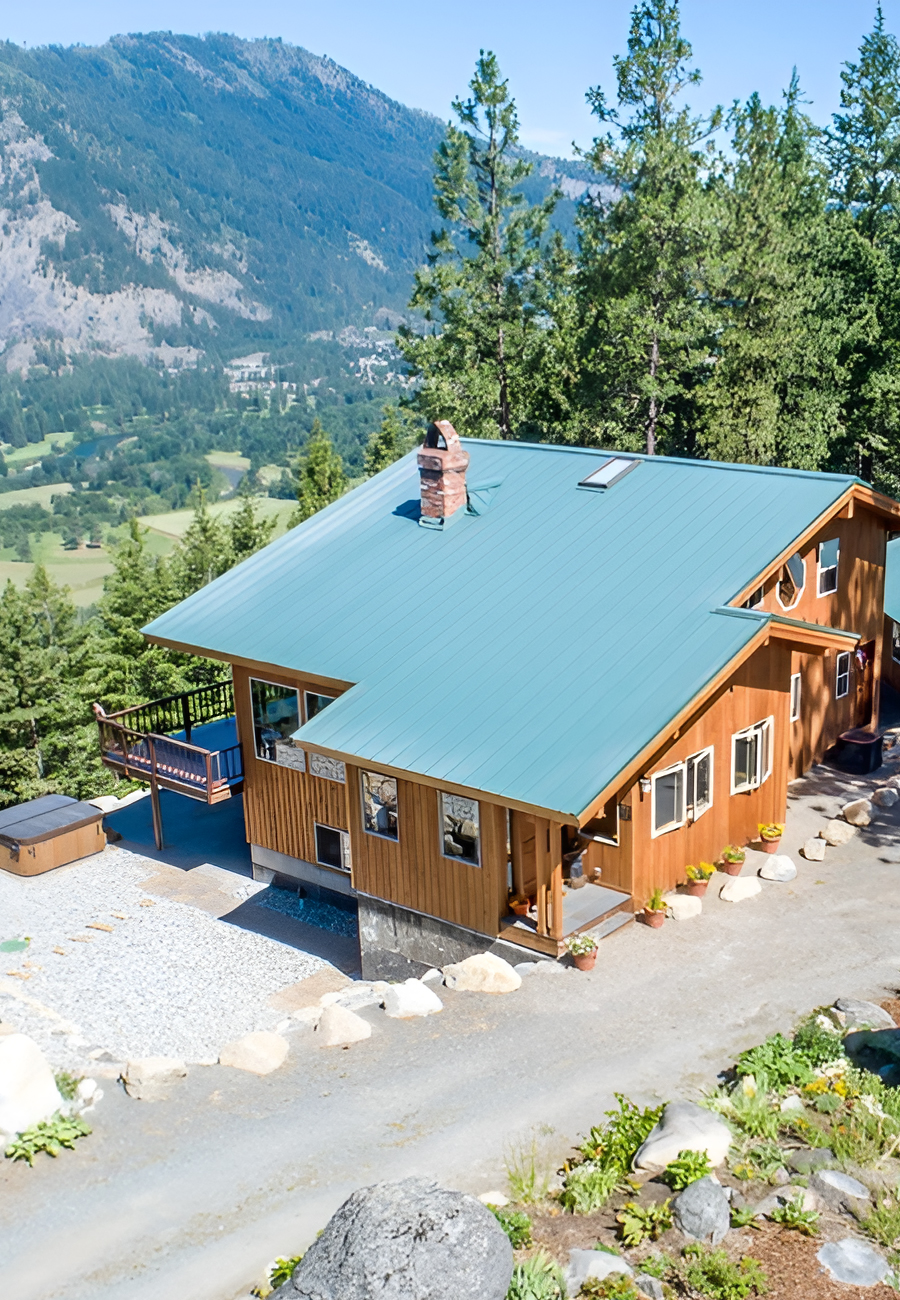
Color matters more than people think. In mountain settings, the best exterior colors often take their cues from nature.
That means rich browns, forest greens, warm grays, taupes, clay tones, muted black, and creamy off-whites. These shades feel calm and grounded. They blend beautifully with trees, rock, and changing light.
Very bright white can sometimes feel too sharp in a wooded mountain setting. Super bold colors can also compete with the landscape. Softer, earthier shades usually age better and feel more natural.
That does not mean the house has to look dull. The magic often comes from layering similar tones. For example, a warm gray body color with charcoal trim, cedar accents, and natural stone can look rich and beautiful without feeling busy.
When in doubt, choose colors that look like they belong outdoors.
10. Add a Metal Awning Over Key Areas
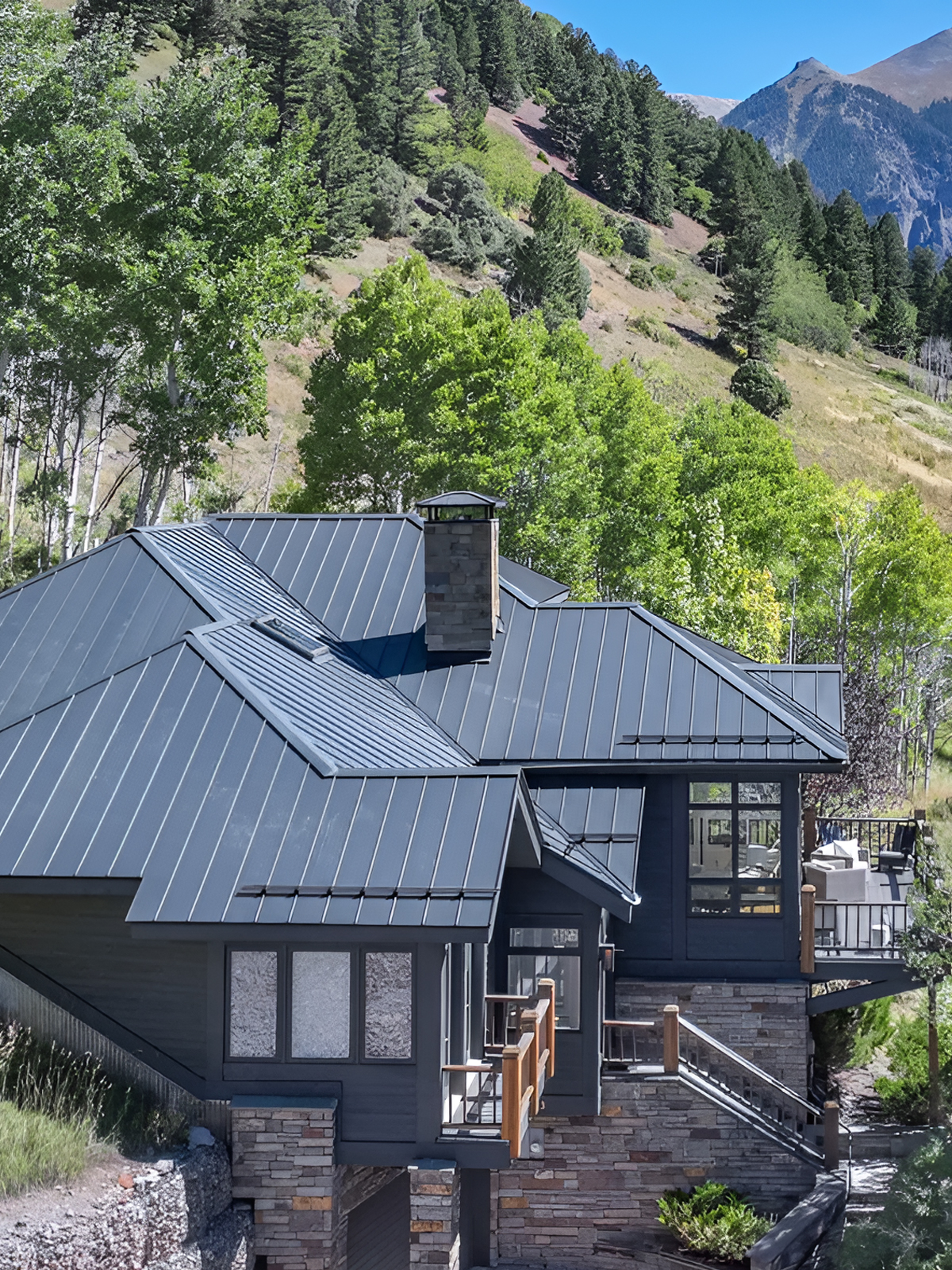
Metal awnings may seem like a small feature, but they can add so much style to a mountain home. They also offer practical benefits by helping shield windows, doors, and small outdoor spaces from snow and rain.
These awnings work especially well over front entries, garage doors, and grouped windows. They add a crisp line that feels both rustic and modern at the same time.
Dark bronze, black, and weathered metal finishes are the most natural fit. Pair them with wood siding or stone walls for a balanced look.
This detail is especially useful on homes that need a little extra architectural interest without a major renovation. It draws the eye and adds shape in a clean, understated way.
11. Build a Wraparound Deck to Embrace the Landscape
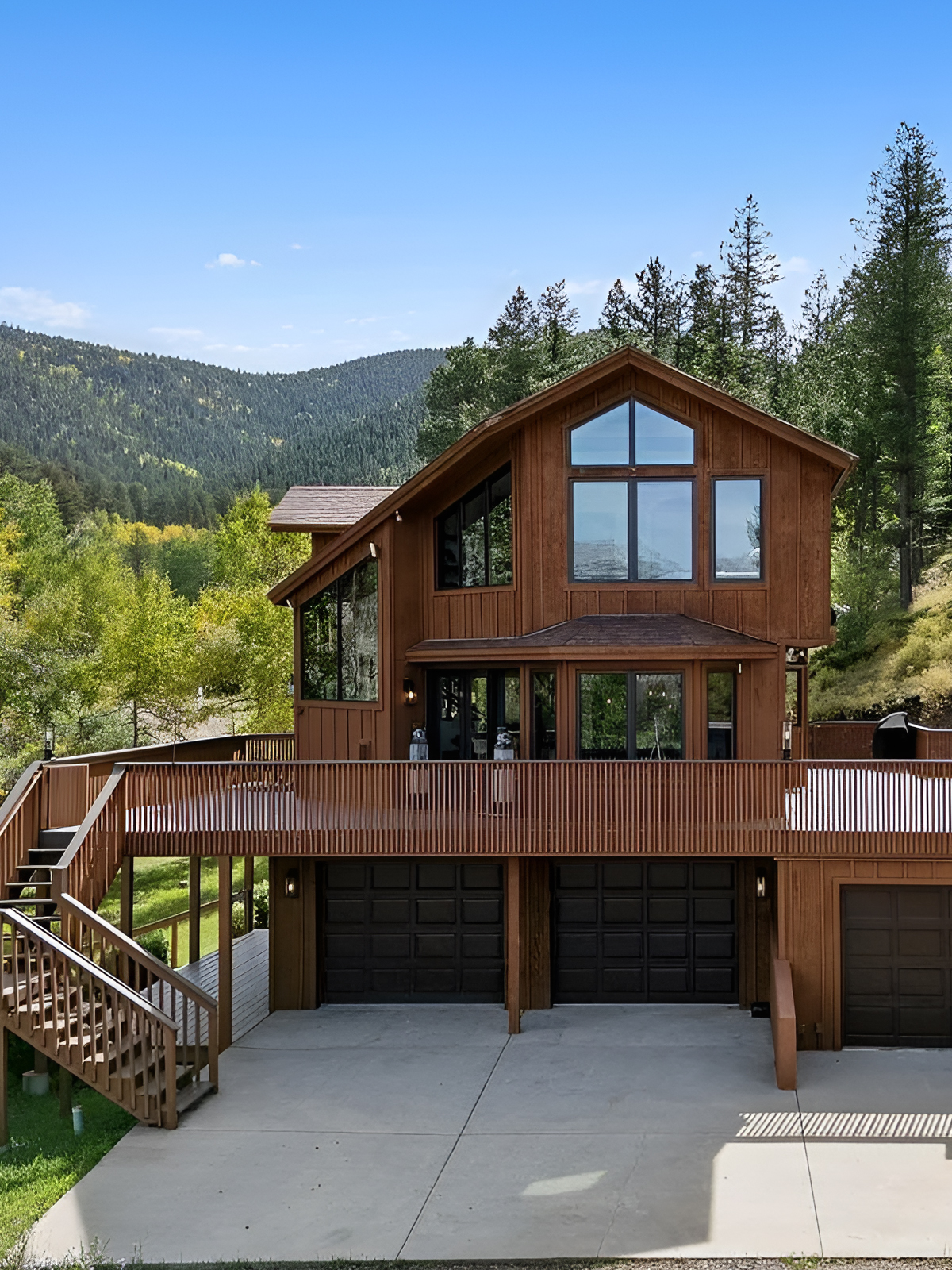
A mountain home should connect with the outdoors as much as possible. A wraparound deck helps do exactly that.
It creates more usable outdoor space, gives the house a relaxed feel, and helps you enjoy views from different angles. It also makes the exterior feel more open and welcoming.
Wood decks are the classic choice. They feel warm and natural. Cable railings or dark metal balusters can help keep the view clear while giving the deck a more modern edge. On a more rustic home, heavy wood railings may feel more fitting.
The size of the deck matters too. Wider decks feel more like outdoor rooms. They leave enough space for dining, lounging, and gathering. That makes the whole home feel more functional and more fun.
From the outside, a deck also adds horizontal lines that can soften a tall house and help it sit better on the land.
12. Embrace Exposed Beams and Trusses
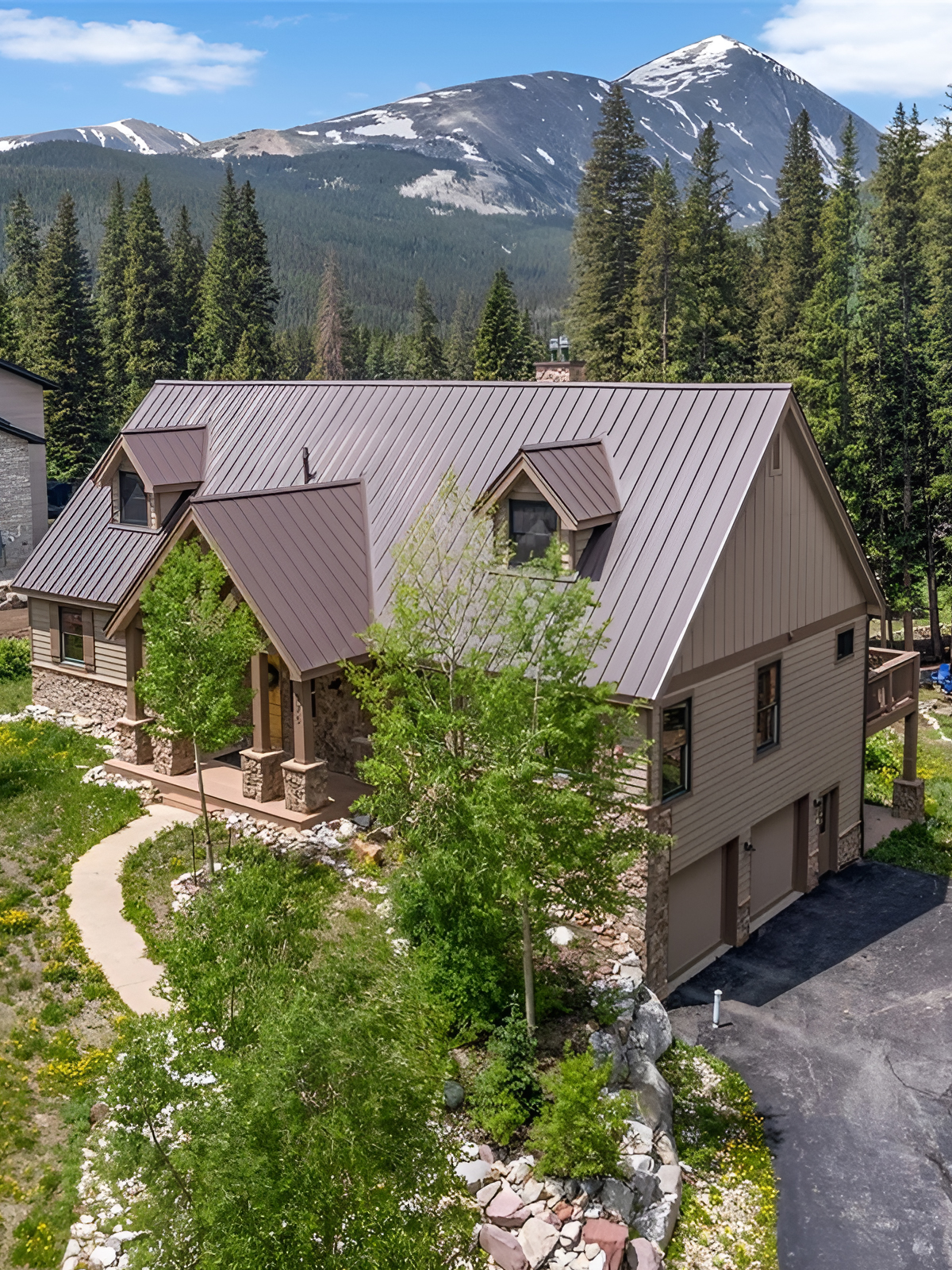
Few details say mountain home quite like exposed beams and trusses. These features add structure, texture, and visual drama all at once.
You can use them under front gables, over porches, or at the main entry. Even a single timber truss can make the facade feel more custom and more memorable.
The beauty of exposed wood is that it instantly brings warmth to the exterior. It keeps stone, metal, and dark paint from feeling too hard or cold. It also adds craftsmanship, which is a big part of mountain style.
Rough-hewn beams feel more rustic. Smooth, stained timbers feel a little more polished. Both can work beautifully. The best choice depends on whether you want your house to feel like a cozy lodge or a refined mountain retreat.
13. Blend Rustic and Modern Elements
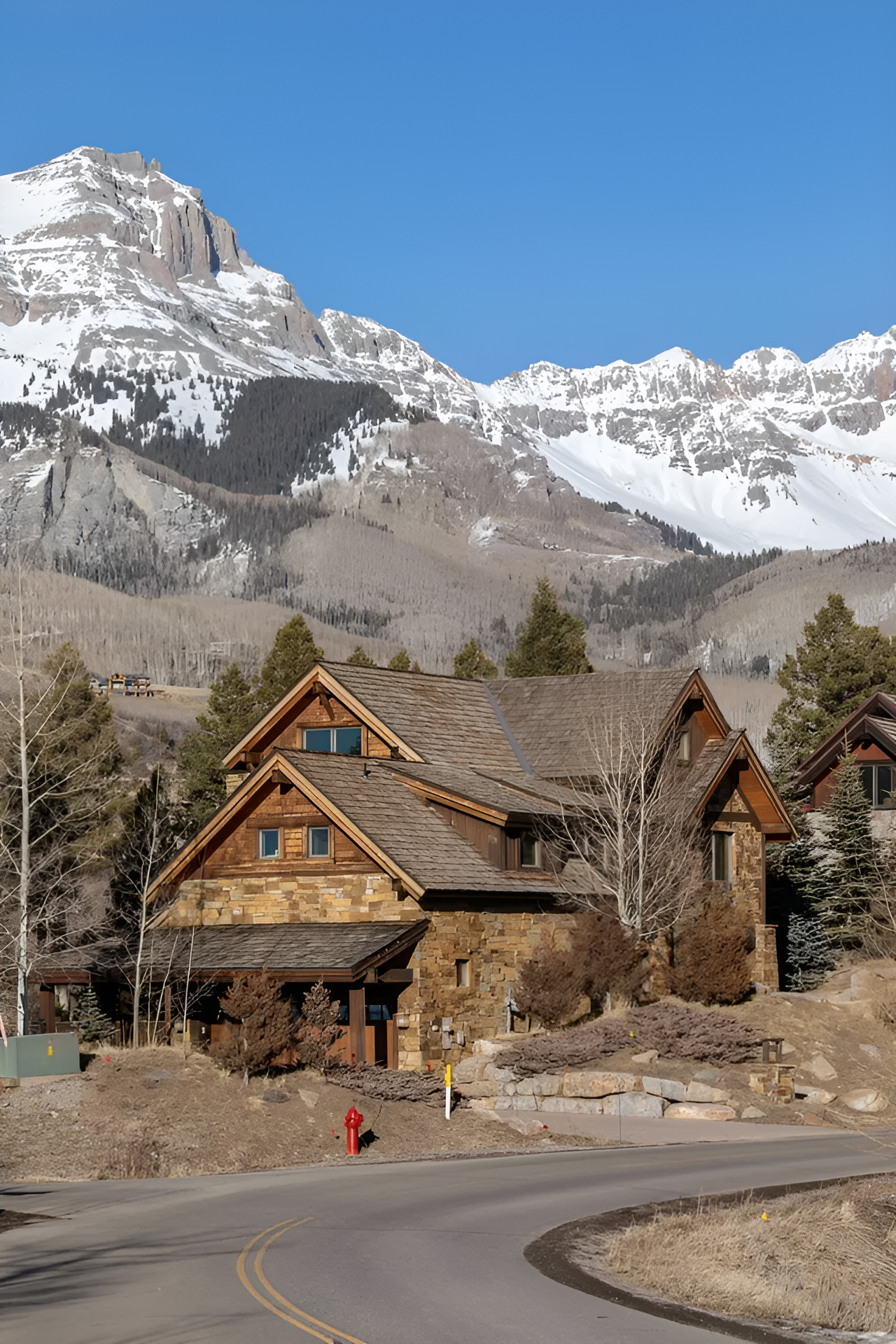
Some of the best mountain homes do not choose just one style. Instead, they mix rustic warmth with modern simplicity. That balance can make the exterior feel fresh, current, and timeless all at once.
For example, you might pair reclaimed wood siding with black metal windows. Or use rugged stone walls with a clean-lined roof and minimalist lighting. The mix keeps the house from feeling too themed or too plain.
This blend works because each side improves the other. Rustic materials add soul. Modern lines add clarity. Together, they create a home that feels warm but not heavy, stylish but not cold.
This idea is great for people who love the charm of a cabin but want a cleaner and more updated look.
14. Create a Strong Garage Design
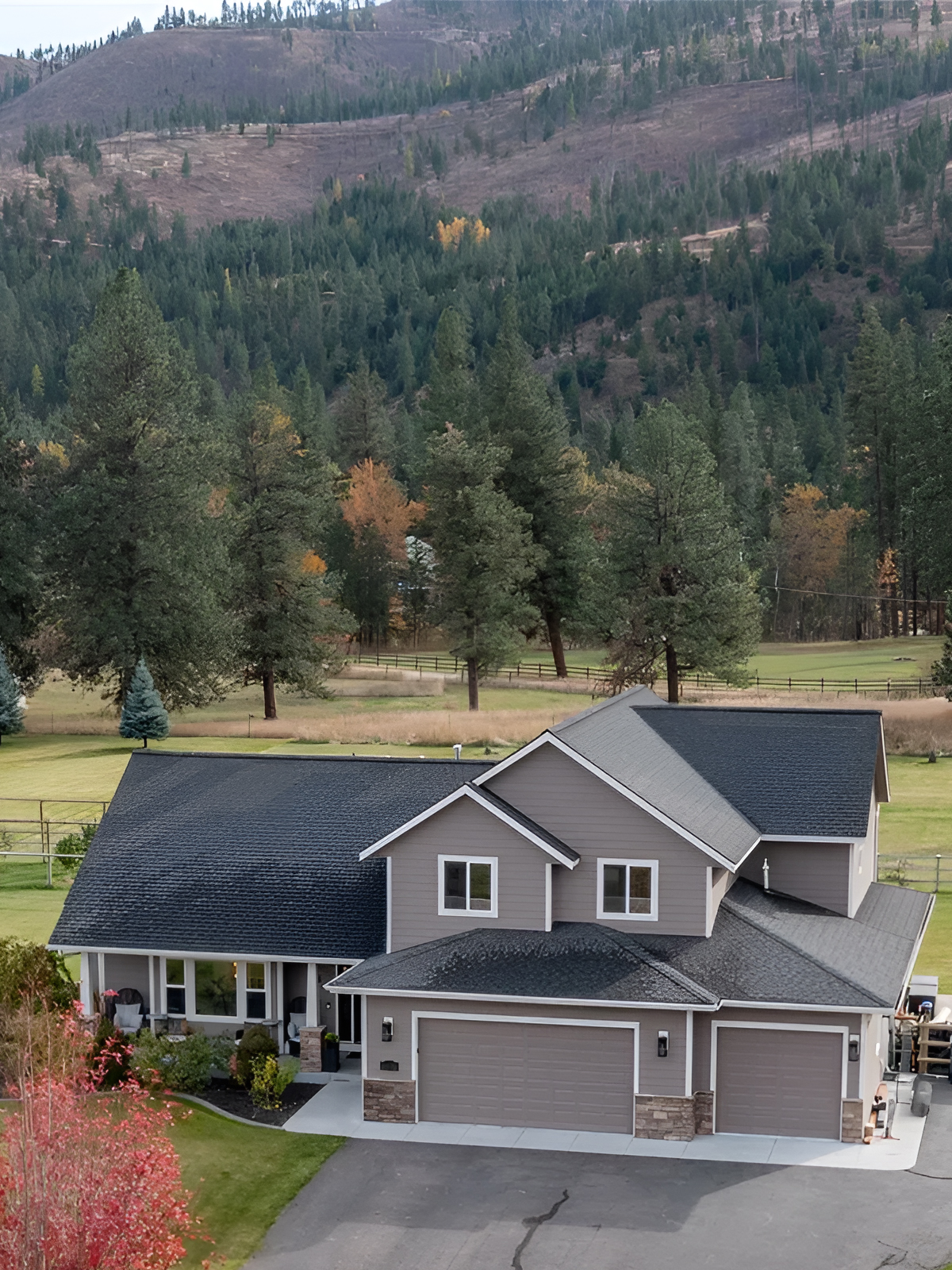
On many mountain homes, the garage takes up a lot of visual space. So it should not feel like an afterthought.
Garage doors can either support the exterior design or weaken it. The best ones match the mood of the house. For rustic homes, carriage-style doors in stained wood or wood-look finishes work well. For modern mountain homes, sleek dark doors with simple windows often look best.
Adding hardware, crossbuck details, or windows can make the garage feel more like part of the architecture. So can framing it with stone, timber, or matching trim.
Because garages are often front-facing, improving this one element can make a huge difference in curb appeal.
15. Use Exterior Lighting to Add Warmth
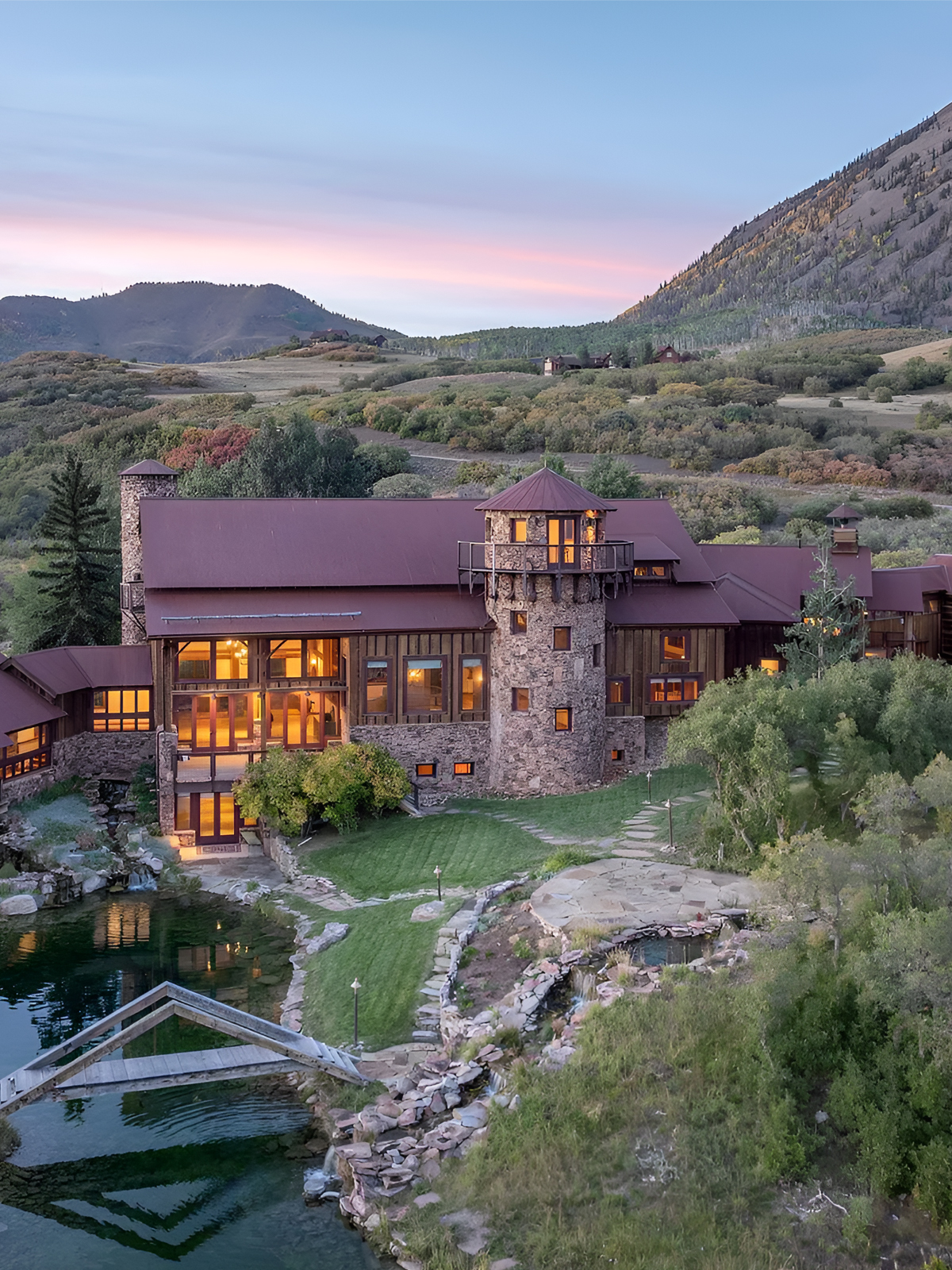
Lighting can make a mountain home glow. During the day, it adds charm and detail. At night, it makes the house feel cozy, safe, and inviting.
Wall lanterns, hanging pendants, step lights, and uplighting on stone or timber can all help shape the mood. Warm light works best. It flatters natural materials and feels softer against the dark landscape.
Look for fixtures in black, oil-rubbed bronze, aged iron, or weathered metal. These finishes suit mountain architecture well. Choose styles that feel sturdy and simple rather than overly delicate.
Good lighting also helps highlight the best parts of the home, like a timber entry, stone chimney, or covered porch ceiling.
16. Work With the Slope of the Land
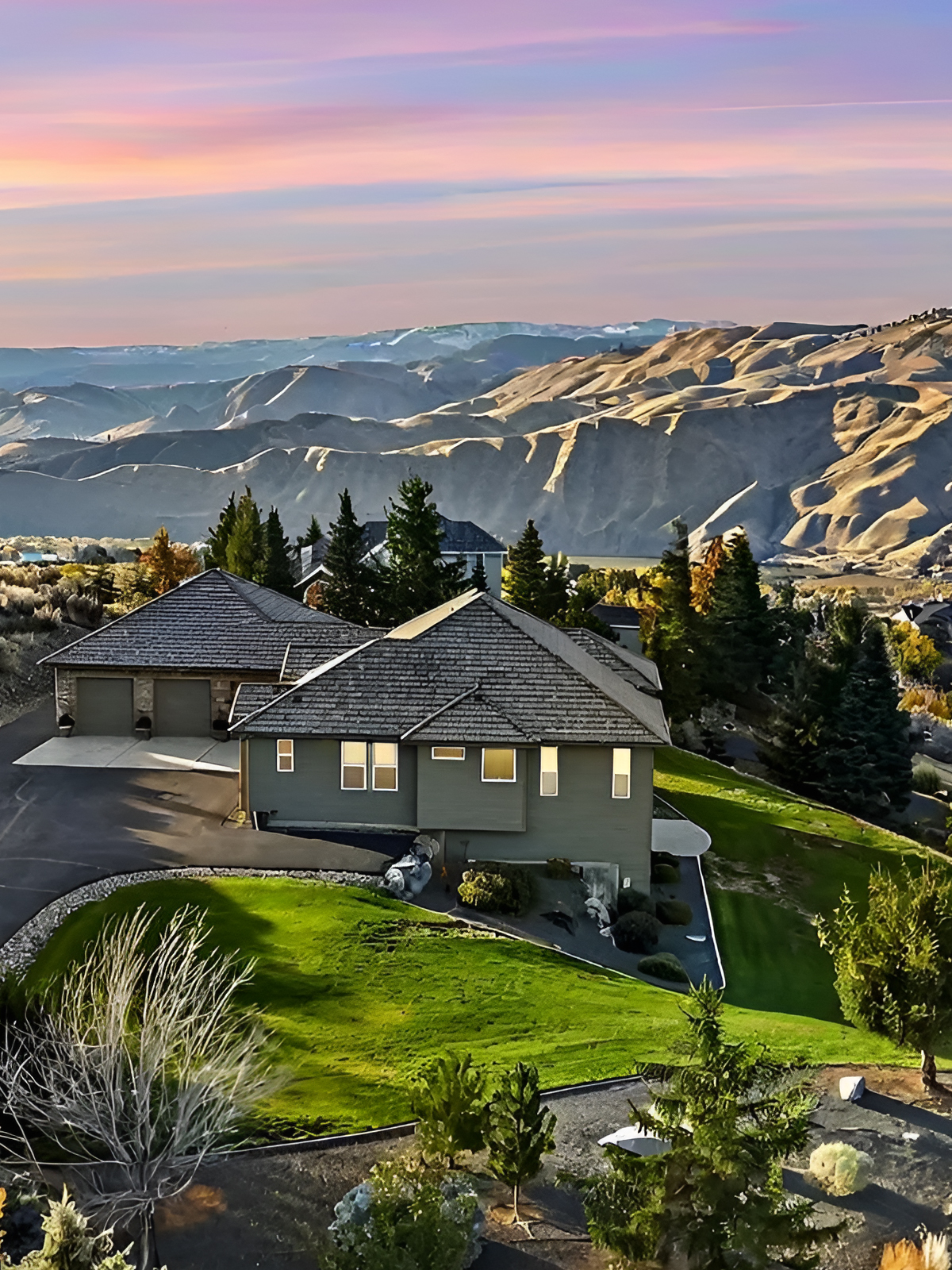
Mountain lots often come with hills, elevation changes, and uneven ground. Instead of fighting that, let the exterior design work with it.
A home that steps with the land usually looks more natural than one that forces everything flat. Split-level layouts, stone retaining walls, terraced landscaping, and walk-out lower levels can all help the house feel integrated into the site.
This approach also gives the exterior more character. It creates levels, depth, and movement. The home feels like it grew from the mountain instead of being dropped on top of it.
When a house responds well to its lot, it almost always looks better from the street.
17. Add Native Landscaping for a Softer Look
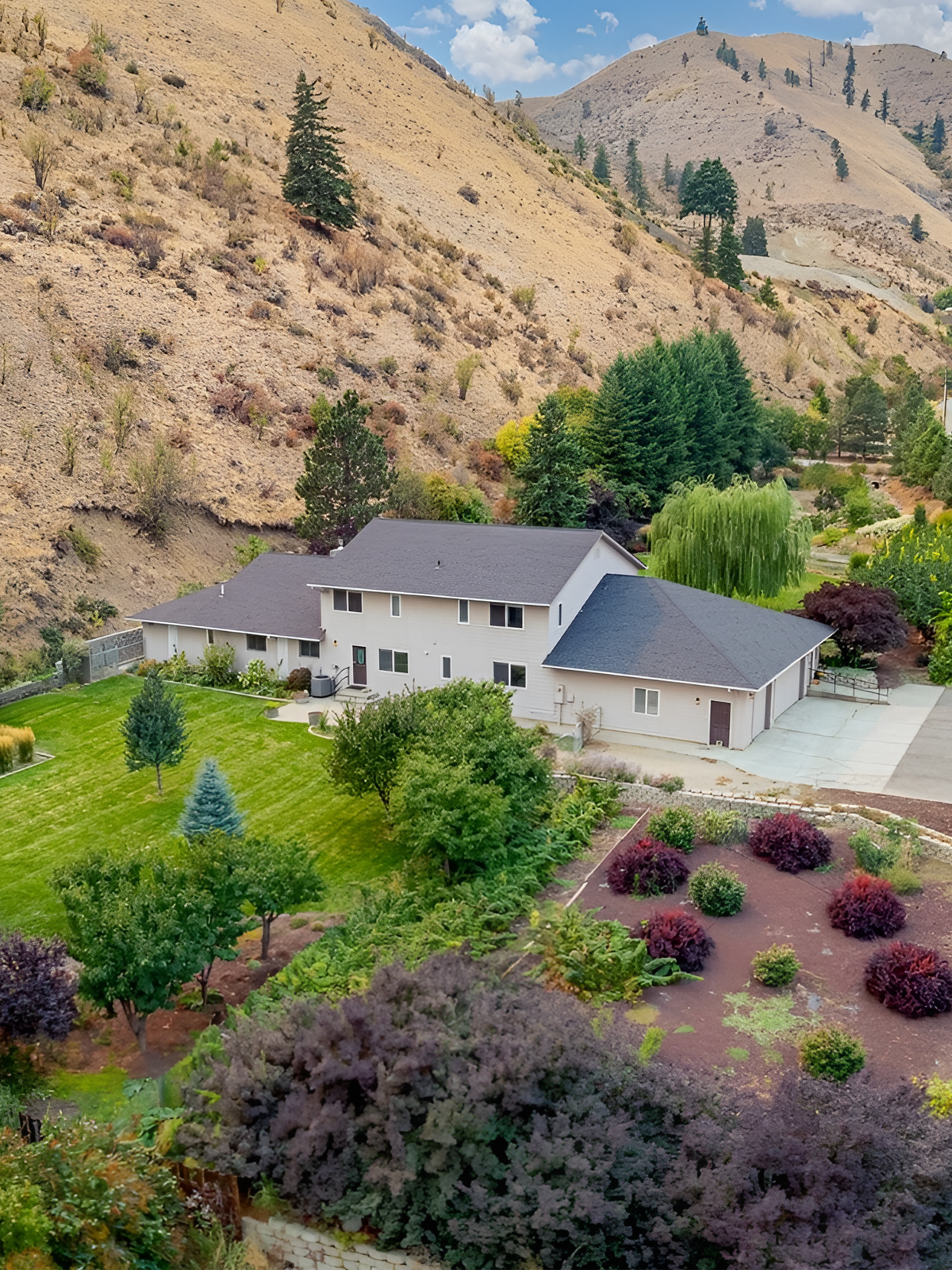
The best mountain landscaping does not feel too formal. It should support the house while letting the natural setting shine.
Native grasses, boulders, evergreen shrubs, wildflowers, and local plants usually work best. They feel easier, more authentic, and often require less maintenance too.
Stone paths, gravel drives, and timber steps also fit well with this style. They make the property feel rustic and relaxed without looking messy.
The goal is not to create a perfect garden. It is to make the home feel settled into the landscape. Good landscaping softens the edges of the house and helps the whole property feel more complete.
18. Make the Front Door Stand Out
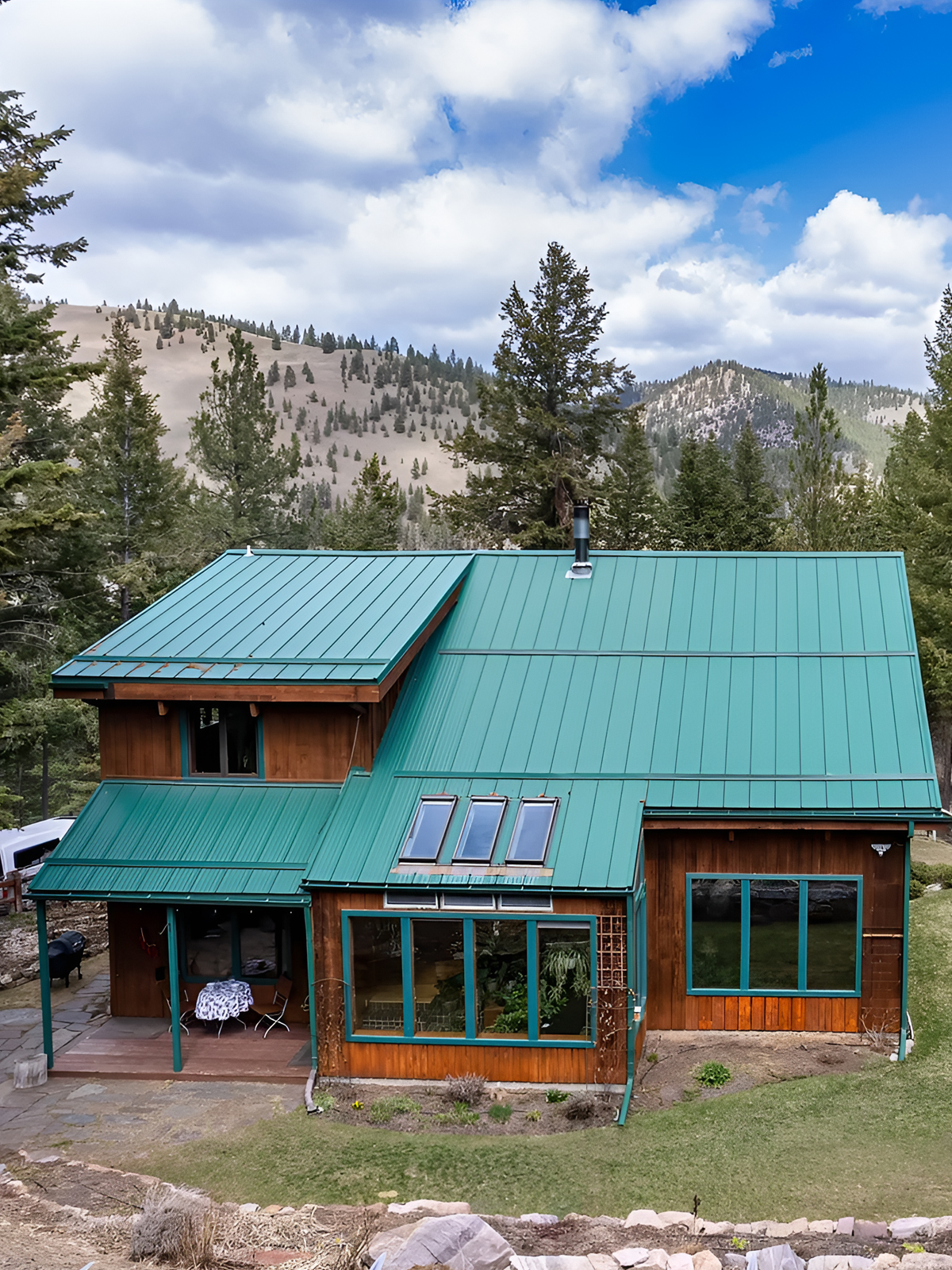
A mountain home front door should feel substantial. It should look strong, welcoming, and in scale with the rest of the house.
Wood doors are a natural fit here. They bring warmth and texture right to the center of the facade. Knotty alder, walnut tones, weathered oak finishes, and even deep stained fir can all look beautiful.
You can also add glass panels, iron straps, or bold black hardware to give the door more presence. Double doors often work well on larger homes, while a single oversized door can make a smaller entry feel special.
This is one place where a little extra character goes a long way.
19. Consider a Modern Monochrome Palette
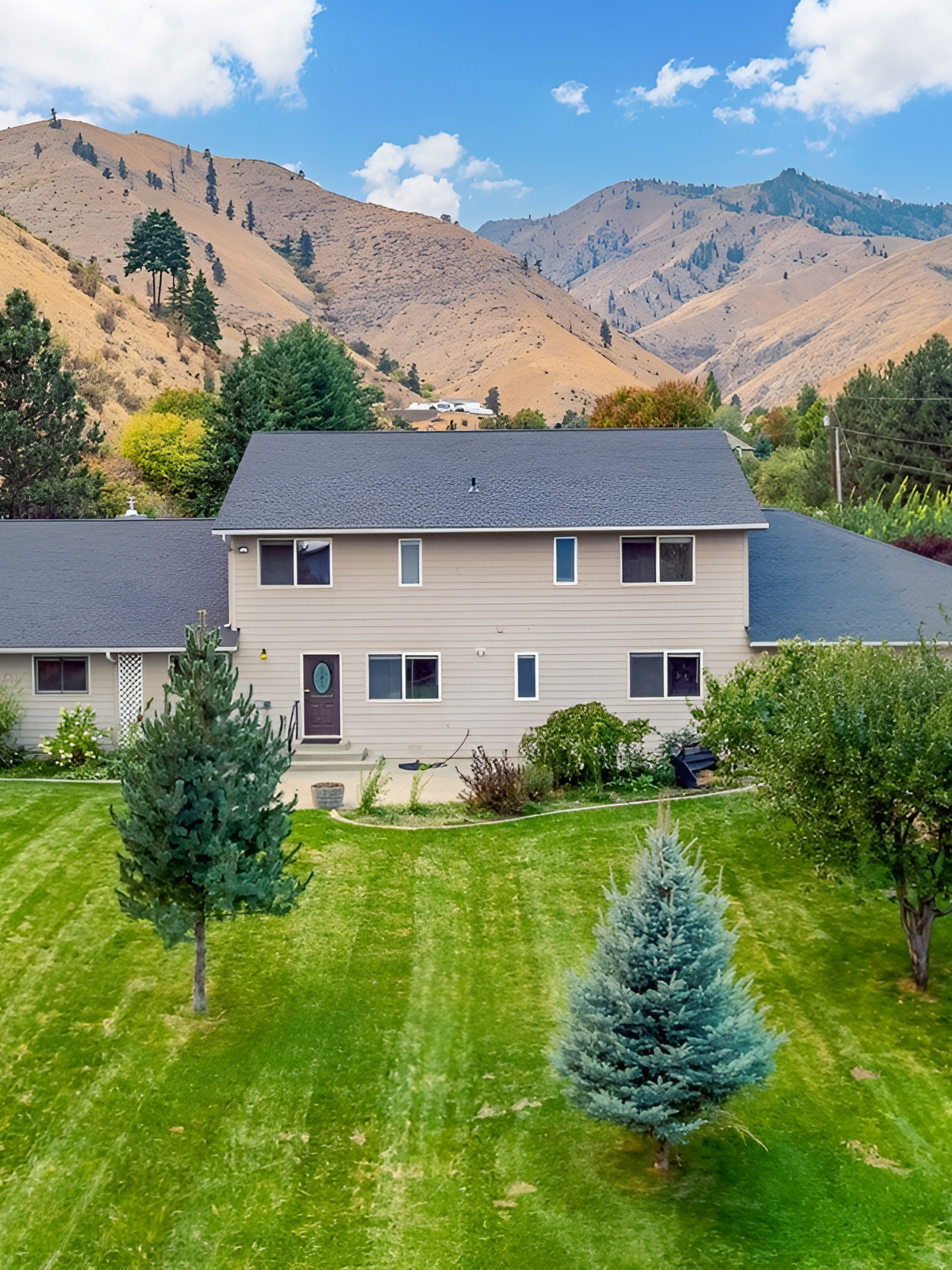
If you want a more dramatic take on mountain style, try a monochrome exterior palette. This means using shades of one main color, often charcoal, black, gray, or deep brown, across the siding, trim, and roof.
The result feels sleek, moody, and very modern. Yet it can still work beautifully in a mountain setting, especially when warm wood accents break up the darker tones.
A black mountain house with cedar soffits and stone details can look stunning against snow or greenery. It feels bold but still natural.
The key is to use texture so the house does not feel flat. Mix matte siding, rough stone, stained timber, and metal roofing to keep the exterior layered and interesting.
20. Focus on Authentic Materials
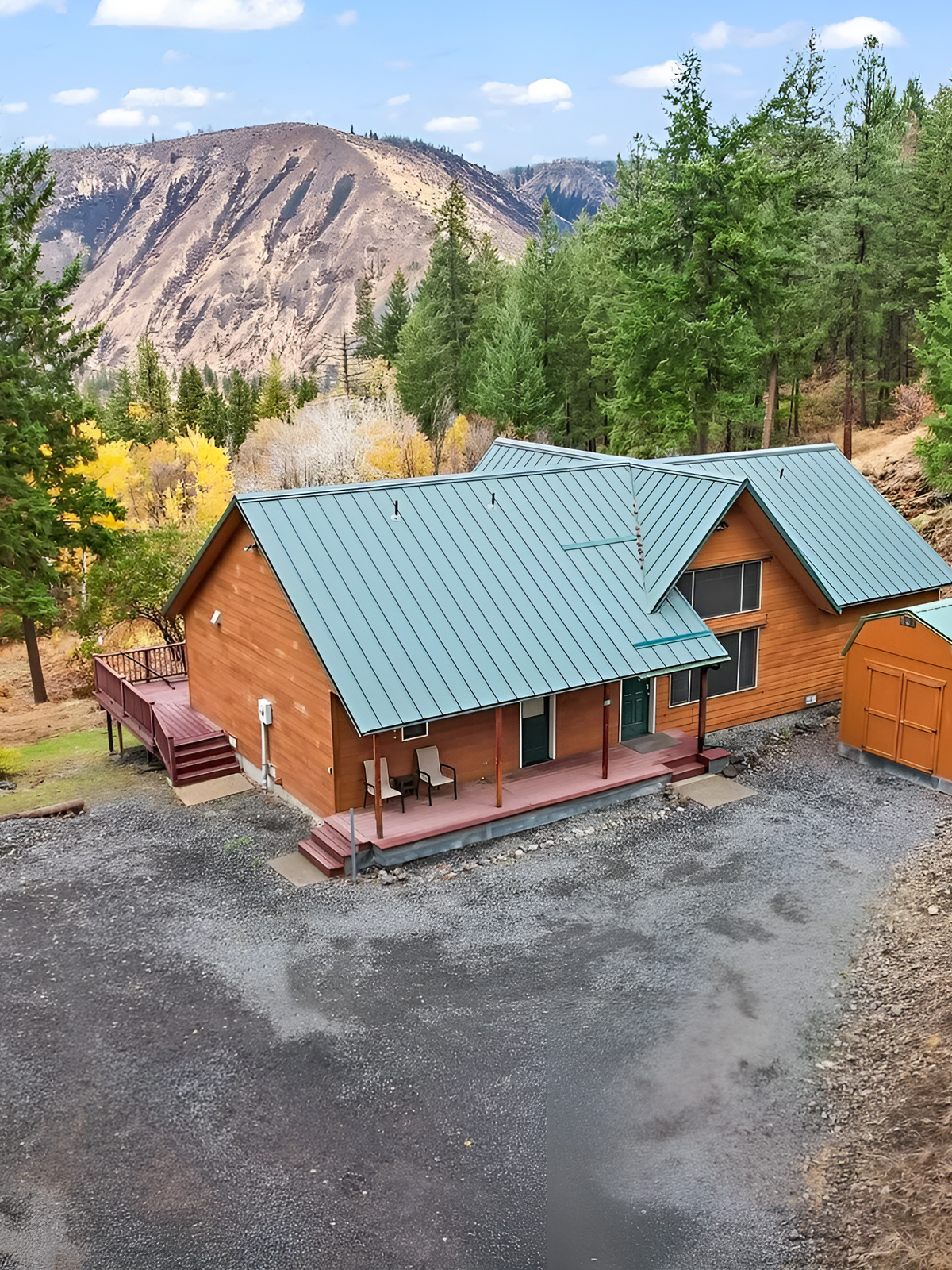
Above all else, mountain home exteriors look best when the materials feel real. That does not always mean every surface has to be solid wood or full-thickness stone. However, the finishes should still feel honest, textured, and believable.
Materials with depth and variation make a huge difference. Real wood grain, natural stone texture, matte metal, and quality siding all help the home feel richer and more timeless. On the other hand, overly shiny finishes or fake-looking patterns can make a mountain home feel less convincing.
That is why authentic-looking materials matter so much in this style. Mountain design is all about connection to nature. The more the exterior reflects that, the better it tends to look.
Conclusion
A beautiful mountain home exterior should feel like it belongs to the land around it. That is why the best designs use texture, warmth, and strong natural cues in a thoughtful way. Whether you love rustic charm, modern lines, or a mix of both, these mountain home exterior ideas can help you create a home that feels timeless, welcoming, and full of character.